
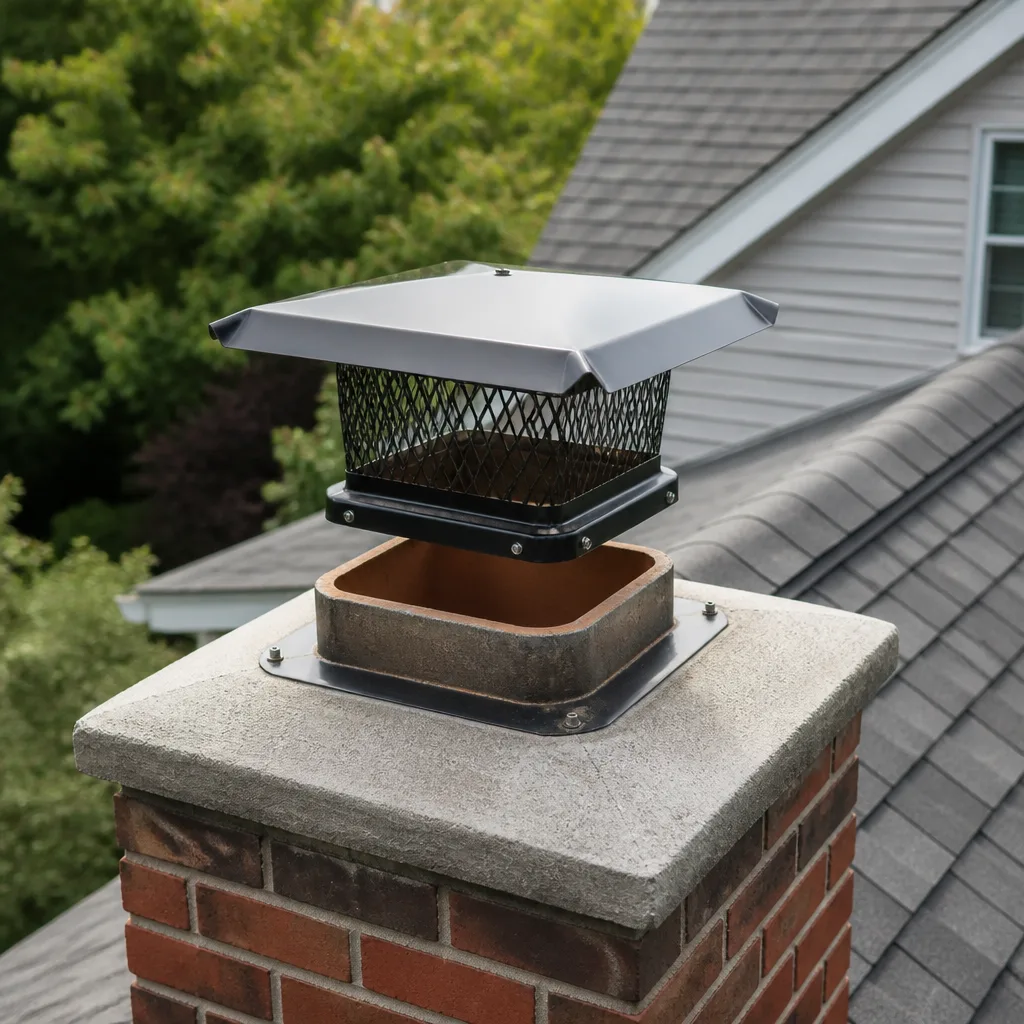
 Sweep & inspection
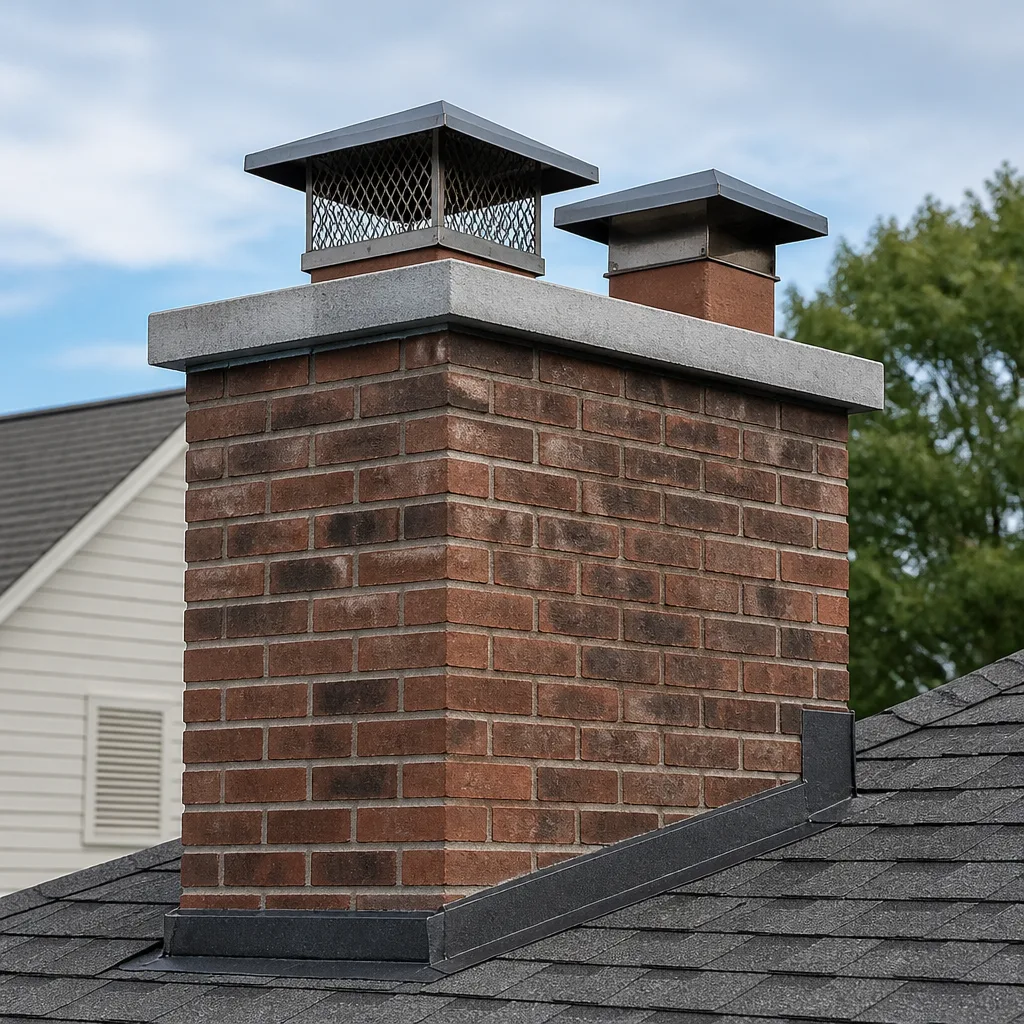 Caps & crowns
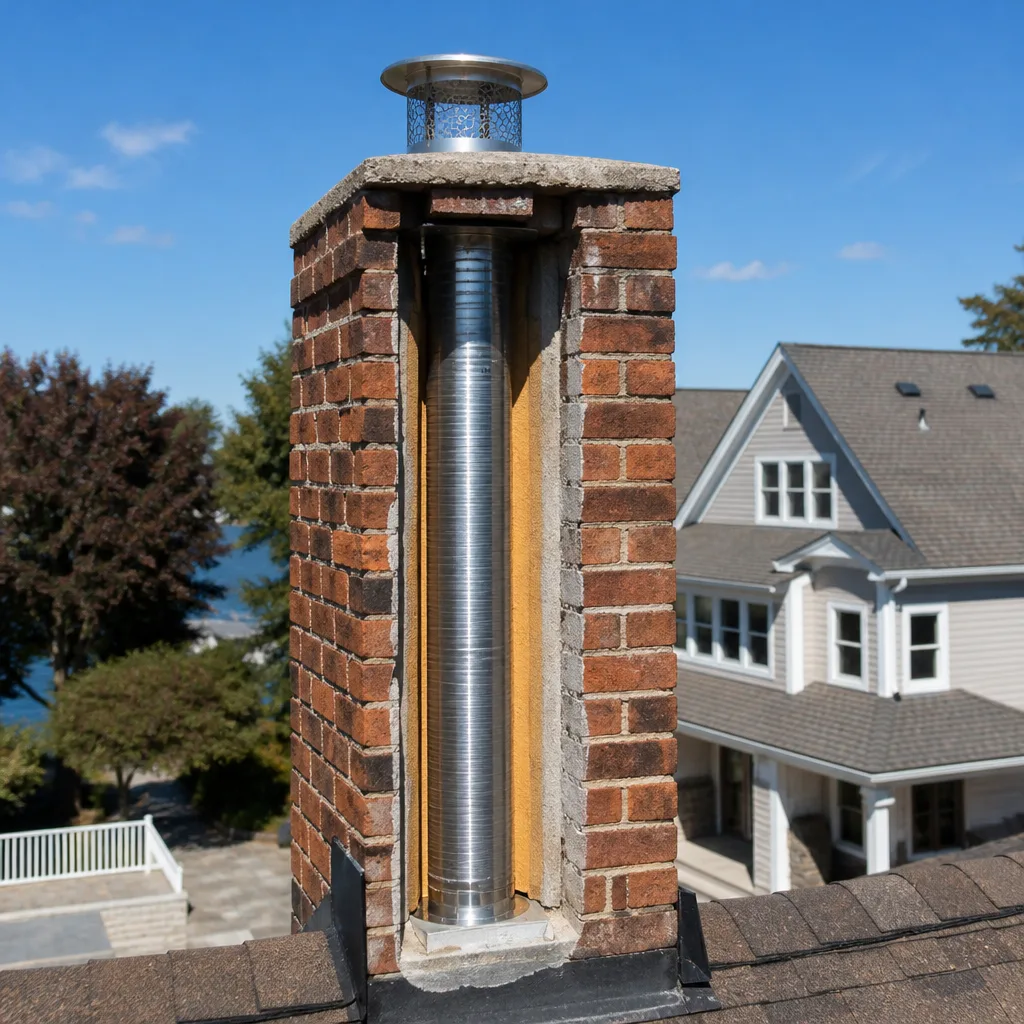 Flue relining
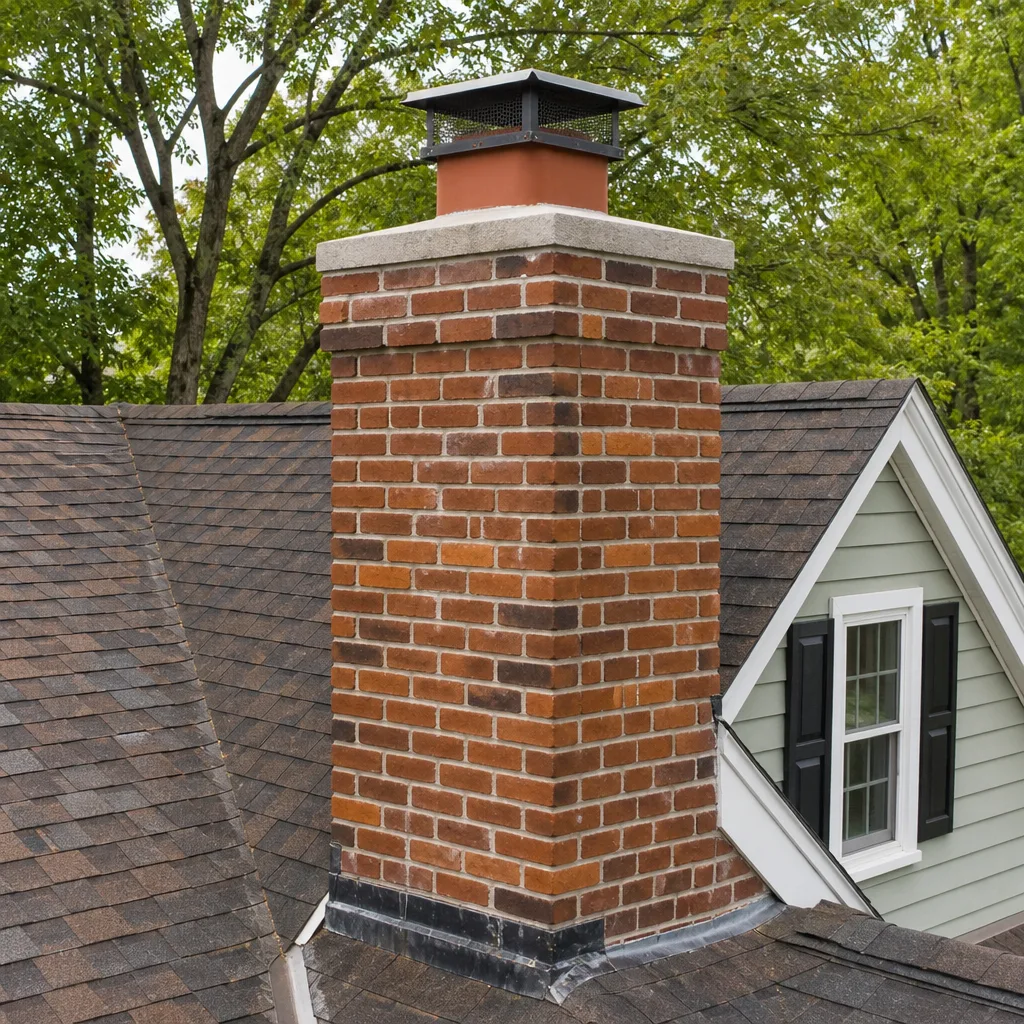 Masonry repair
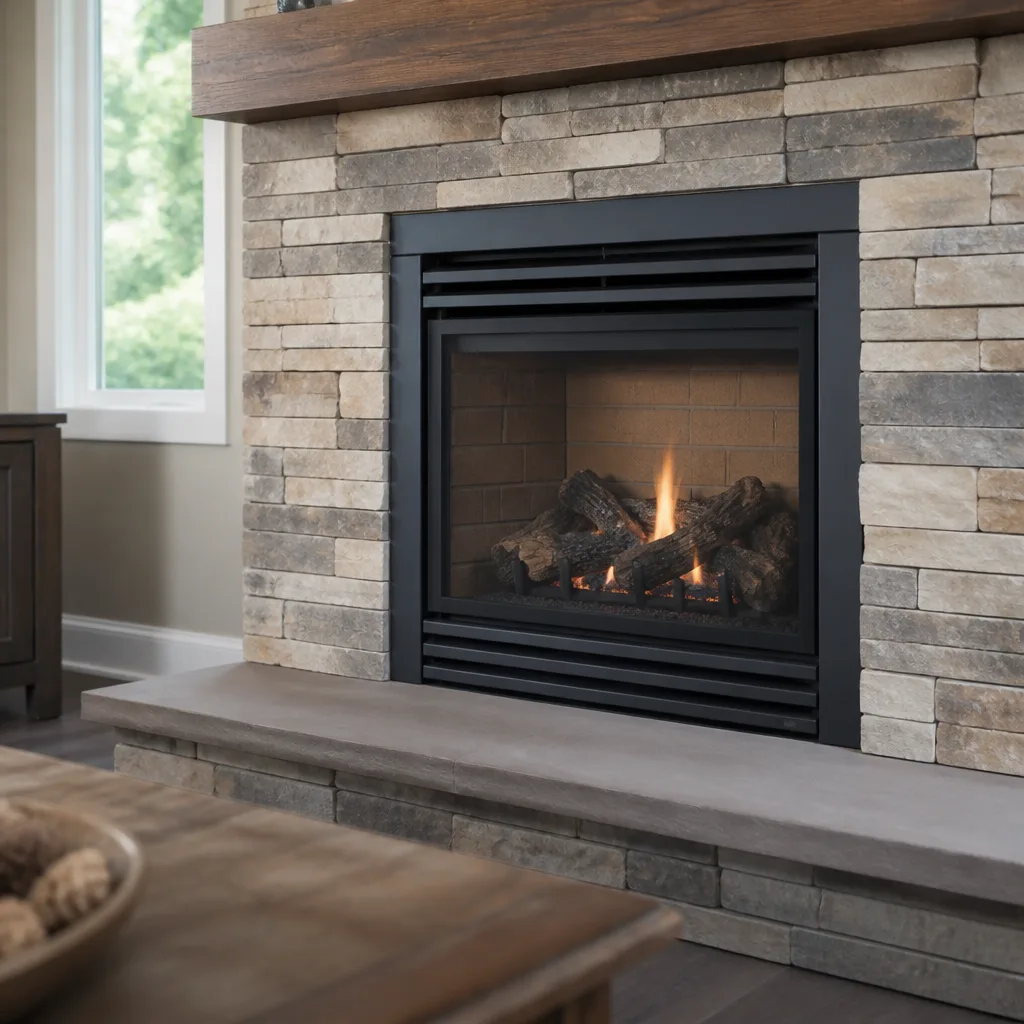 Gas fireplace service
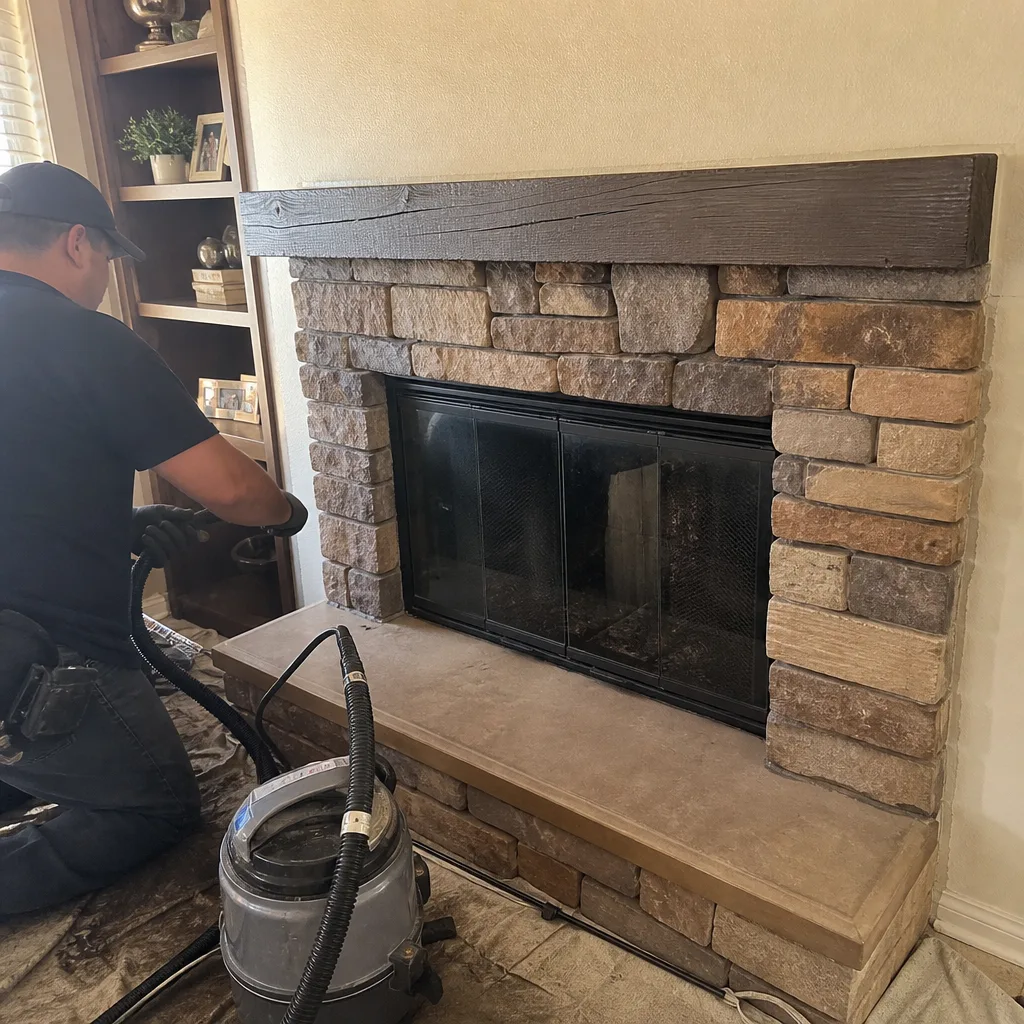
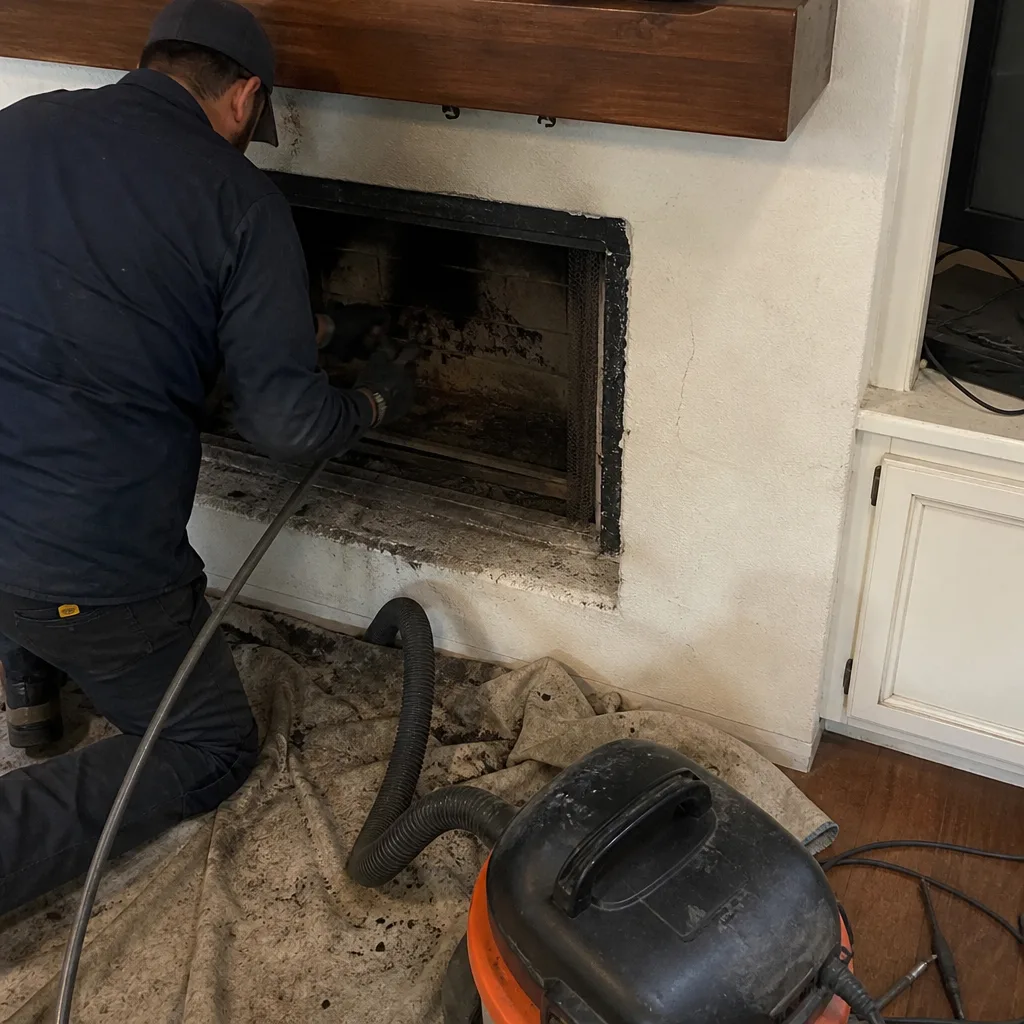
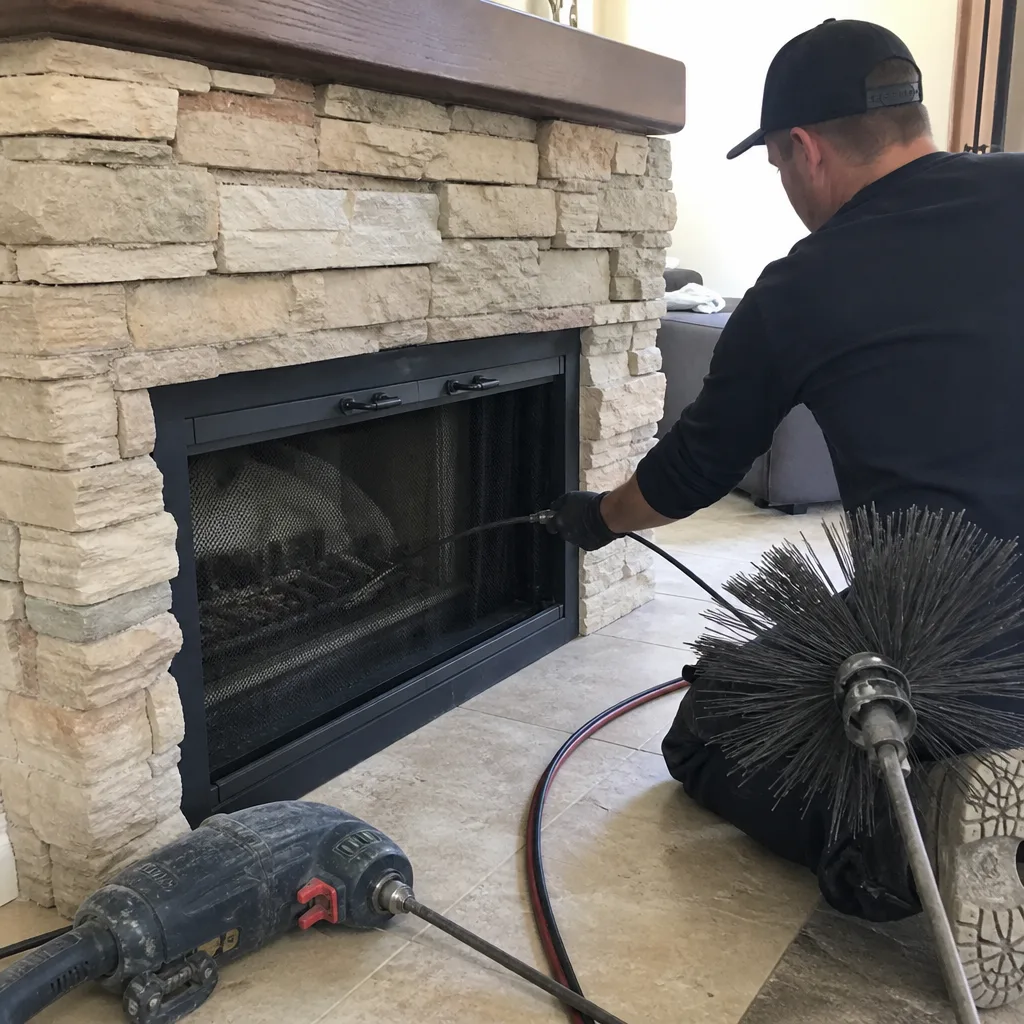
Level 1 sweep and inspection to the NFPA 211 annual standard - flue, crown, cap, and flashing checked and photographed
Chimney sweep logs do not sweep chimneys. They loosen some creosote - which then falls where a brush and vacuum still have to collect it.
Why Corona Homeowners Choose HeatShield Chimney Cleaning
HeatShield chimney cleaning in Corona means restoring a ceramic flue liner system that’s already in place, not just brushing soot off the walls. We’re an independent HeatShield service in Corona, not authorized or partnered with the manufacturer, and our crew has relined hundreds of Southern California flues using HeatShield’s cast-in-place ceramic technology. That depth matters in Corona because so many homes here, especially the mid-century tract and citrus-belt houses near downtown, still run original clay tile liners that were never meant to handle 50 years of thermal cycling and Santa Ana wind-driven draft fluctuations. If your HeatShield-coated flue is dusting, flaking, or drafting poorly, call (855) 382-6159 and we’ll put a camera in it before anyone reaches for a brush.
Why Trust Corona Chimney Sweep for Your HeatShield Chimney Cleaning?
HeatShield work fails when it’s rushed, and rushed HeatShield work is exactly what we see from fly-by-night crews across the Inland Empire. Nolan Ferris, who grew up in South Corona near Santana Regional Park and trained through Norco College’s vocational program before narrowing his focus entirely to chimneys, built our HeatShield in El Cerrito Corona practice around one principle: the substrate matters more than the coating. We prep flues to bare clay or masonry before any HeatShield ceramic goes in, because adhesive bond is the difference between a liner that lasts 20 years and one that delaminates in two. We use genuine HeatShield ceramic mix, adhesive, and former accessories on every reline and joint repair, and our techs know what a properly cured HeatShield surface should sound like when tapped. A hollow dead spot tells us the bond failed. A clean, solid ring tells us it took. We’re an independent service provider, which means our only obligation is to your chimney’s actual condition, not a manufacturer’s sales target. If a HeatShield resurface isn’t the right fix, we’ll tell you that plainly and recommend what actually is.
Styles & brands we work with
Common HeatShield Chimney Cleaning Problems We Fix in Corona
- Delamination from the clay tile substrate. HeatShield’s ceramic liner only works if the flue was cleaned and primed before application. Skip that step and the coating bonds to soot instead of clay, eventually separating into a hollow shell. You’ll hear a dead thud when the flue is tapped, and draft performance drops off as the void disrupts airflow. We strip the failed coating and redo it properly.
- Glaze spalling on gas-converted fireplaces. Older Corona homes often had wood-burning fireplaces converted to gas inserts. The fireclay tiles in these flues have a hard glaze, and HeatShield applied over that glaze can flake off in sheets within a few seasons. The fix requires mechanically abrading the glaze to give the ceramic something real to bond to, a step many installers skip because it’s labor-intensive.
- Weak band at the top of the flue from former over-inflation. The HeatShield inflatable former controls wall thickness during application. Inflate it too much and the top of the flue ends up with a thin band of ceramic that cracks under the thermal cycling common in Corona’s hot days and cool winter nights. We see this in chase-style metal flues and masonry stacks alike.
- Chalky, under-cured surfaces from cure-time shortcuts. HeatShield needs proper time and conditions to cure. Applied in cold or damp weather without adequate drying, the surface stays chalky and dusts white powder into the firebox. We’ve corrected these jobs in Corona homes where a previous contractor rushed the cure window. It’s a full strip-and-redo, not a touch-up.
- Cracked clay tile joints hidden beneath a previous HeatShield joint repair. The HeatShield Joint Repair System is designed for cracked or spalling clay tile joints, but if the original tiles were never properly bonded from the start, the repair can mask structural problems instead of solving them. We camera-inspect before recommending joint repair so we know what’s actually holding your flue together.
HeatShield Parts & Our Repair-vs-Replace Approach
We stock genuine HeatShield ceramic mix, specialized adhesive, and former accessories locally for fast turnaround on Corona jobs. Aftermarket ceramic mixes exist, and we don’t use them. The aggregate is inconsistent, the cure behavior is unpredictable, and a failed liner is a safety problem that costs more to fix the second time than it would have to do right the first. That said, we’re not married to HeatShield. If a flue is sound enough for a HeatShield resurface or joint repair, we do it. If tiles are crumbling, the flue is unlined, or the damage goes deeper than a coating can address, we tell you honestly that a full stainless liner or rebuild is the right call, even when it costs us the HeatShield job. We repair what we find, and sometimes what we find is a chimney that needs more than ceramic. Call (855) 382-6159 and we’ll show you the camera footage so you can see exactly what we’re seeing before you spend a dollar.
Our HeatShield Service Process – Step by Step
- 1
Diagnosis. We start with a camera inspection, typically a Level 2, to map the flue’s actual condition. We’re looking for delamination, glaze spalling, cracked joints, and any signs the existing HeatShield coating failed. The camera doesn’t lie, and neither do we.
- 2
Surface preparation. This is where HeatShield jobs live or die. We strip failed coating, remove creosote and soot, and mechanically prep the substrate so the new ceramic has something real to bond to. On glazed tiles that means abrading the surface. On bare clay that means cleaning to the pores.
- 3
Application. We run the HeatShield ceramic mix through the pump system with the inflatable former positioned correctly. We monitor wall thickness as it goes in, and we don’t rush the inflation or the cure. Cold weather in Corona’s inland winter can slow cure times, and we account for that instead of pretending it doesn’t matter.
- 4
Verification. After cure, we camera-inspect again and tap the flue to check for hollow spots. A clean draft test confirms the system moves air properly. If anything looks wrong, we fix it before we call the job done.
- 5
Documentation. You get photos and a written report of what we found and what we did. If a future warranty question comes up, you have records. That’s how a proper HeatShield service should end.
See the difference
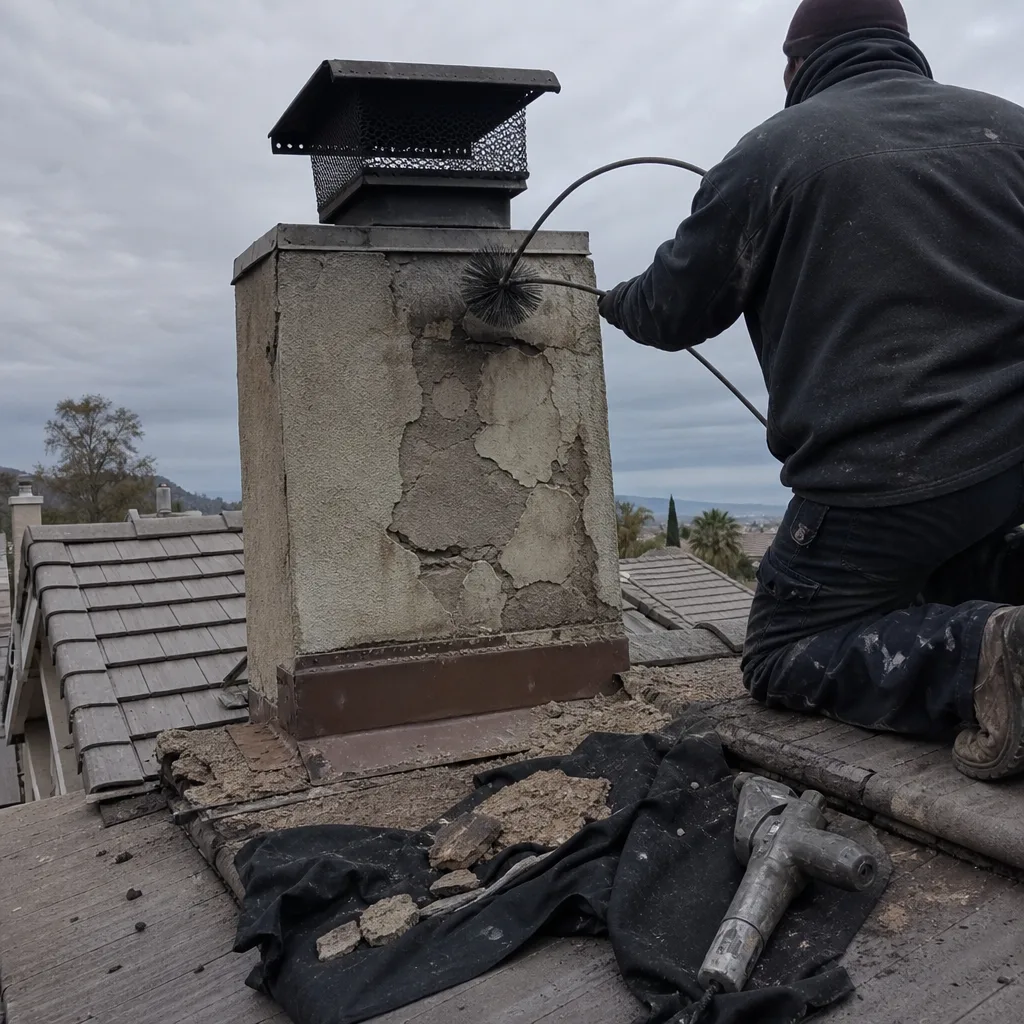 Before
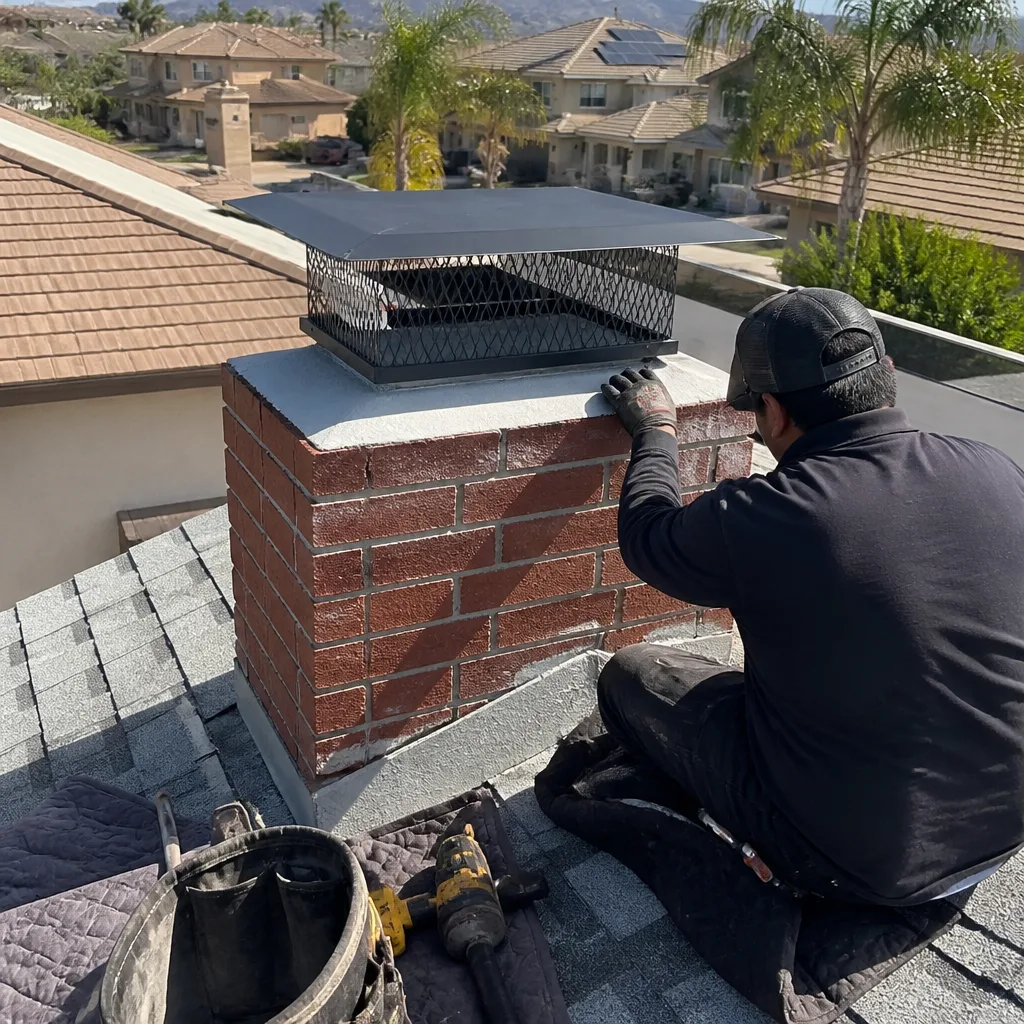 After
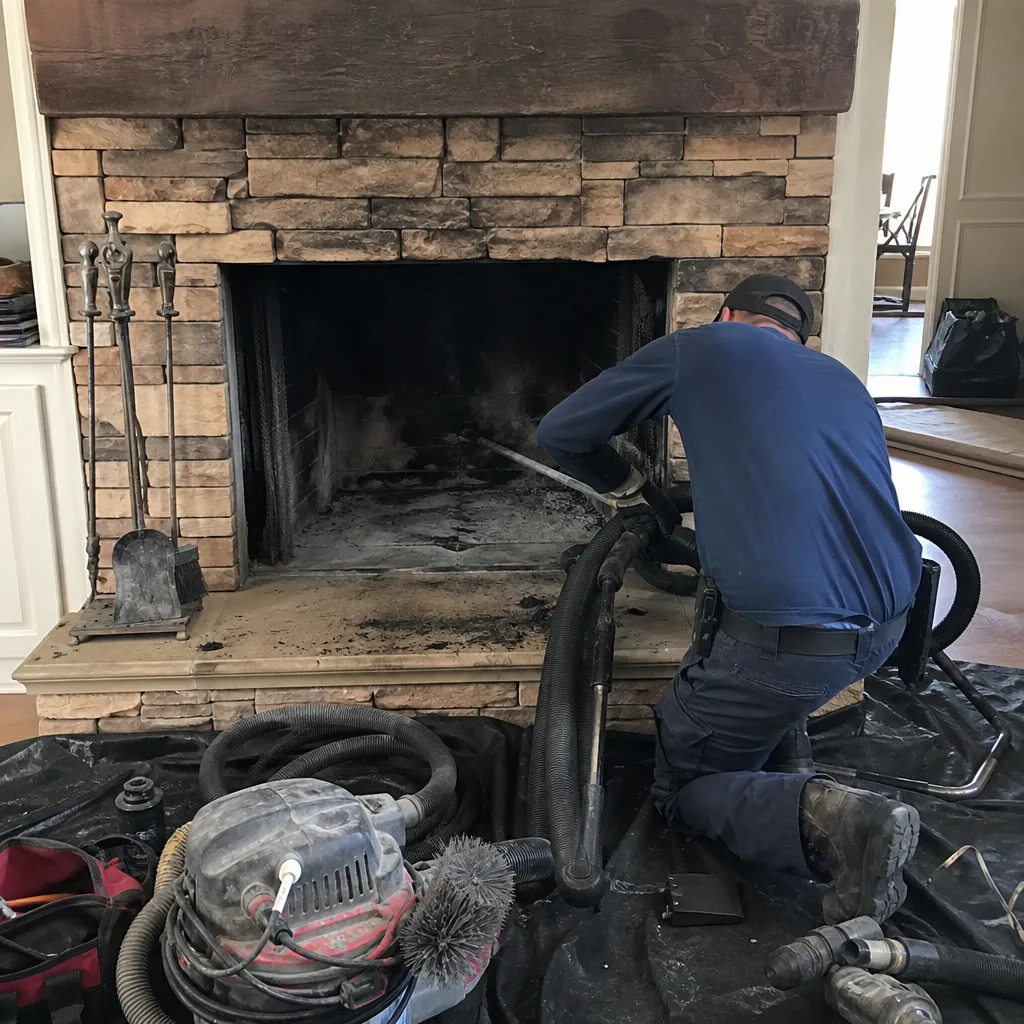 Before
 After
 Before
 After
HeatShield Products We Service & Install in Corona
We work on the full HeatShield product line: the Original Cast-in-Place Ceramic Liner for clay tile flues, the Joint Repair / Resurfacing System for cracked or spalling tile joints, CrownSeal Crown Repair Compound for deteriorated mortar crowns, and WaterRepel Masonry Waterproofing to keep Corona’s dry-season dust and winter moisture from eating into exposed masonry. We stock genuine HeatShield materials locally so we can move from diagnosis to repair without waiting on a distributor. Whether you have a HeatShield-coated flue that needs evaluation, a glass-door fireplace insert that’s not drafting, or a crown that’s washing out in the rare heavy rain, one call covers it: (855) 382-6159.
We Also Service These Brands
HeatShield is a big part of what we do, but it’s not the only product we trust. We install and service DuraFlex stainless flexible liner systems for code-compliant venting in older or complex chimney configurations, and we work with Gelco products for specific repair applications. Being multi-brand means we recommend the material that fits your flue, not the one we happen to push.
FAQs – HeatShield Chimney Cleaning Service in Corona
No. We’re an independent HeatShield service provider, not authorized or partnered with the manufacturer. That independence means we evaluate your chimney’s condition on its own terms and recommend HeatShield only when it’s genuinely the right fix.
Yes, on every HeatShield reline and joint repair. We use genuine HeatShield ceramic mix, adhesive, and former accessories. Aftermarket ceramic mixes save a few dollars up front and fail early. We’re not interested in doing the job twice.
A joint repair or resurface typically takes one full day on site, plus cure time before the fireplace is used again. Cold inland winter mornings can stretch the cure window, and we’d rather wait an extra day than send you a chalky liner that dusts powder into the firebox.
We service and install HeatShield Original Cast-in-Place Ceramic Liner, Joint Repair / Resurfacing System, CrownSeal Crown Repair Compound, and WaterRepel Masonry Waterproofing. If it’s in the HeatShield product line, we’ve worked with it.
Using genuine HeatShield materials and following proper prep and cure procedures keeps any work we do consistent with the manufacturer’s specifications. We can’t speak for HeatShield’s warranty terms, but we document everything so you have a clear record of what was done and how.
Cost depends on what the camera finds. A basic HeatShield flue evaluation and cleaning runs less than a joint repair, which runs less than a full cast-in-place reline. Eastvale HeatShield service homes with older clay tile liners tend to need more joint work than newer east-side subdivisions with factory-built fireplaces. Call (855) 382-6159 and we’ll give you a straight number after seeing your flue, not before.
No. HeatShield ceramic is designed for masonry and clay tile flues, not metal. Applying it over stainless creates bond problems and can trap moisture between the two materials. If a stainless liner is failing, the right move is usually liner replacement, not coating.
Camera inspection tells the story. If joints are cracked but tiles are still solid and set in place, joint repair can work. If tiles have shifted, crumbled, or separated from the masonry, the flue is beyond what a coating can fix. We show you the footage and let you decide with your own eyes.
That’s chalky, under-cured ceramic. It happens when HeatShield was applied in cold or damp conditions without adequate drying time. The coating never fully hardened, and now it’s shedding. The fix is stripping the failed surface and reapplying with a proper cure window, and it’s a job we correct regularly in Corona homes where a previous contractor took a shortcut.
Yes, with a caveat. HeatShield can line a flue serving a gas insert, but the install has to account for the lower flue gas temperatures of gas appliances. The real issue in Corona is older gas-converted fireplaces with glazed fireclay tiles, because the glaze prevents proper ceramic bond. We prep the surface mechanically before applying HeatShield, which is the step that makes or breaks these jobs.
No. HeatShield is a resurfacing and joint repair system for existing masonry flues. An unlined chimney from the 1970s has no suitable substrate for the ceramic to bond to. In that situation, you’re looking at a full liner installation, often a DuraFlex stainless flexible liner, to bring the chimney into code-compliant condition. Call (855) 382-6159 and we’ll explain your options after a proper inspection.
Book Your HeatShield Service in Corona, CA
If your HeatShield-coated flue is showing signs of trouble, or you just want a straight answer about whether your chimney is safe to burn, call (855) 382-6159. Nolan and the crew will put a camera in it, show you exactly what’s there, and give you a free estimate based on what we actually find. We repair what we find in Corona, from the historic core to the HeatShield service in Home Gardens and east-side subdivisions.
Written by Nolan Ferris, Owner at Corona Chimney Sweep, serving Corona and the Inland Empire since his early days cleaning flues across the Santa Ana River corridor.