
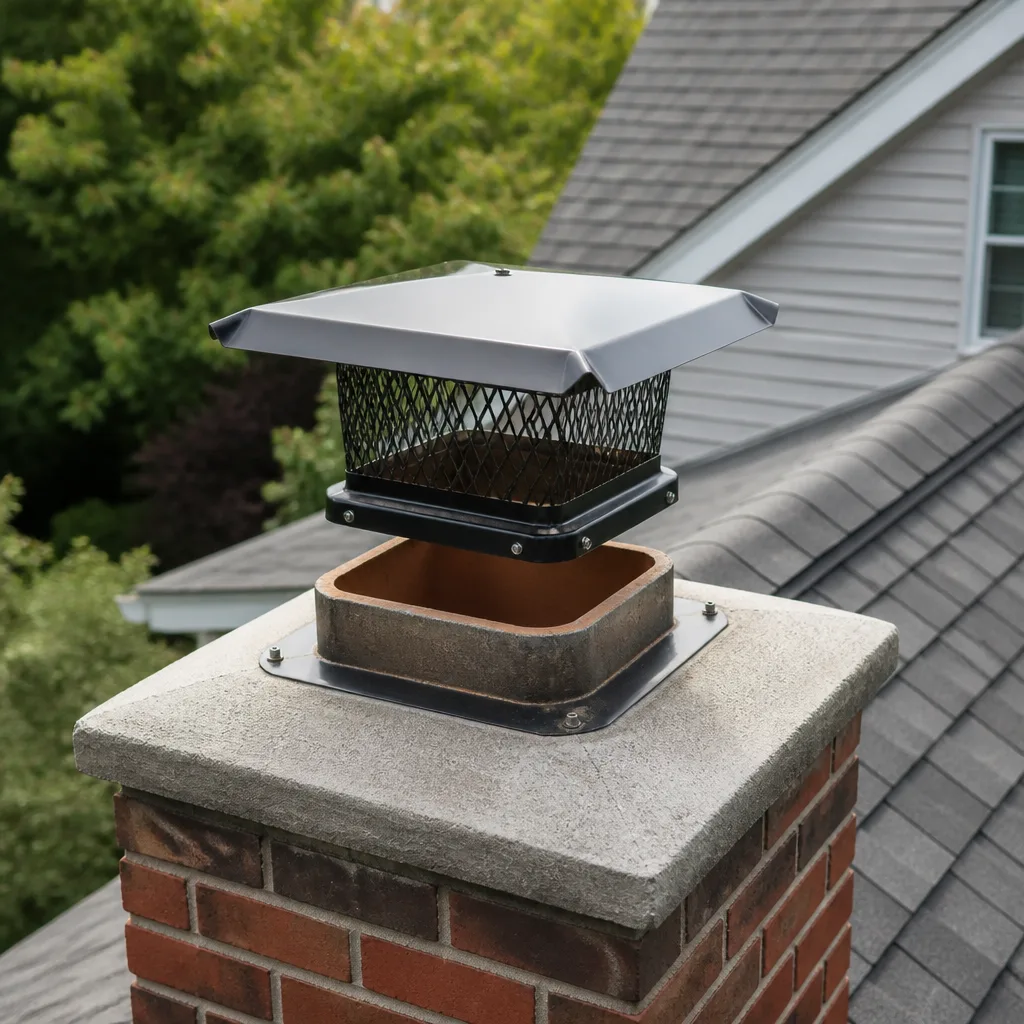
 Sweep & inspection
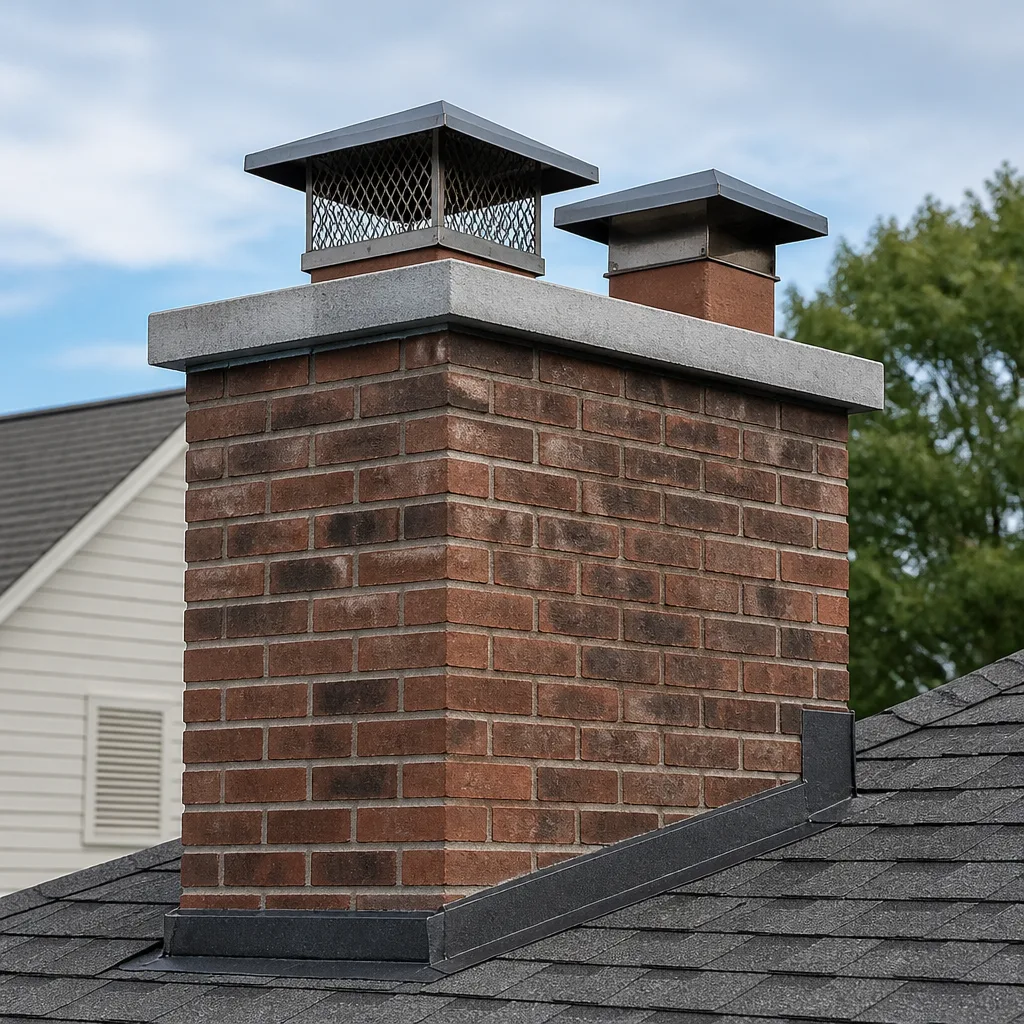 Caps & crowns
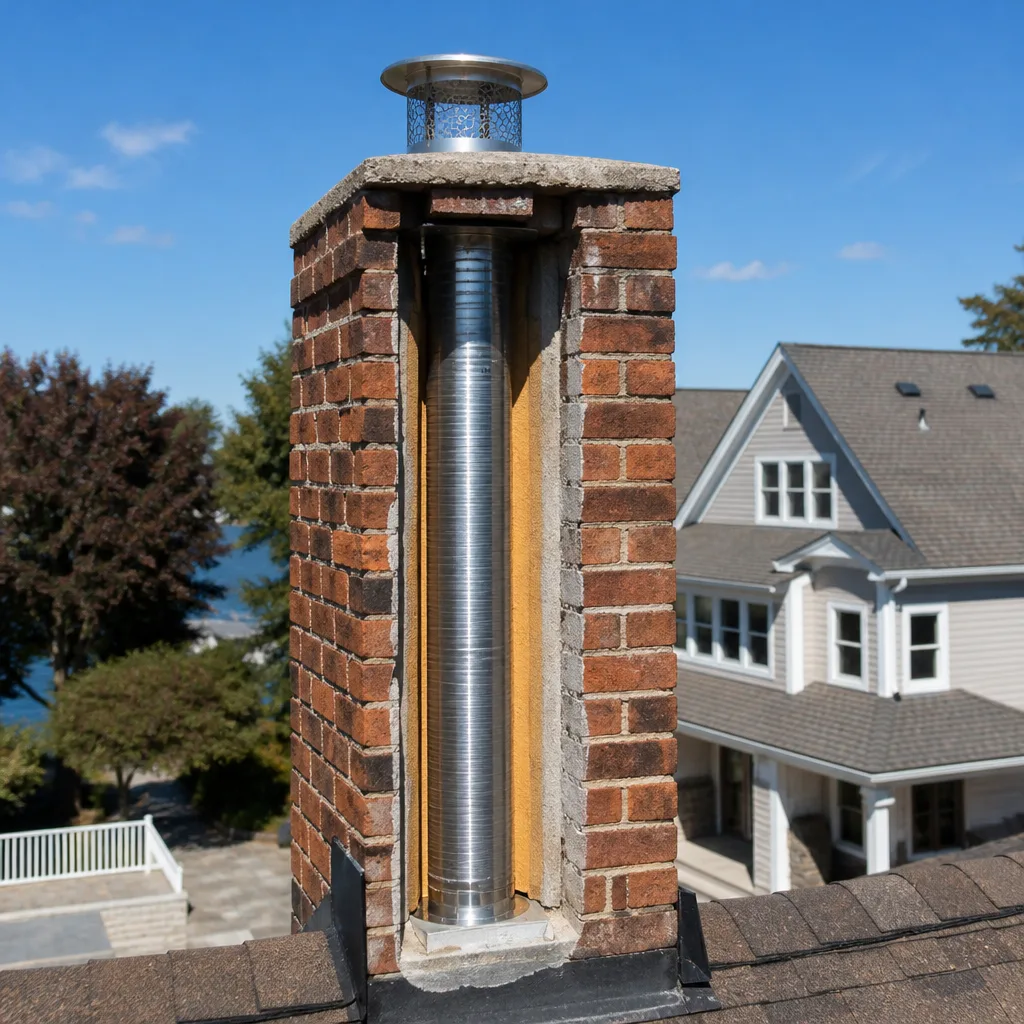 Flue relining
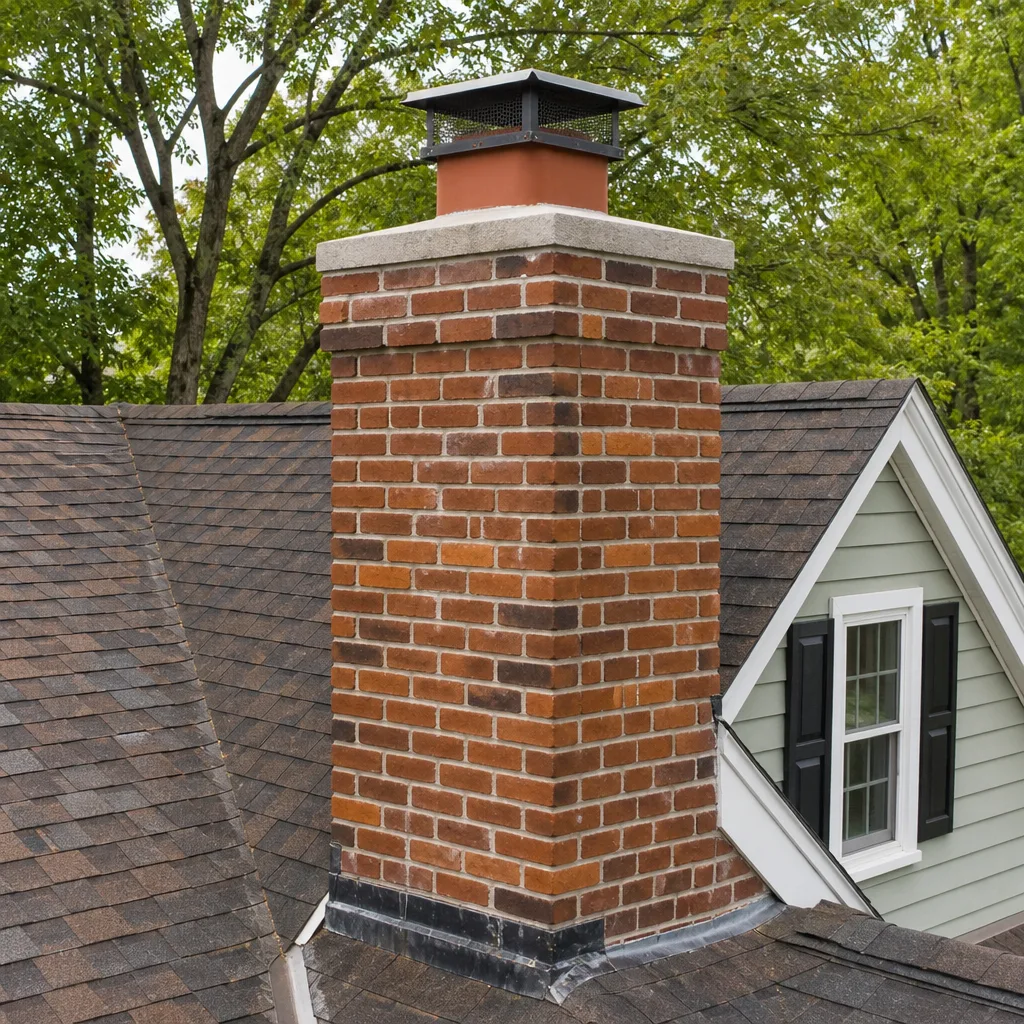 Masonry repair
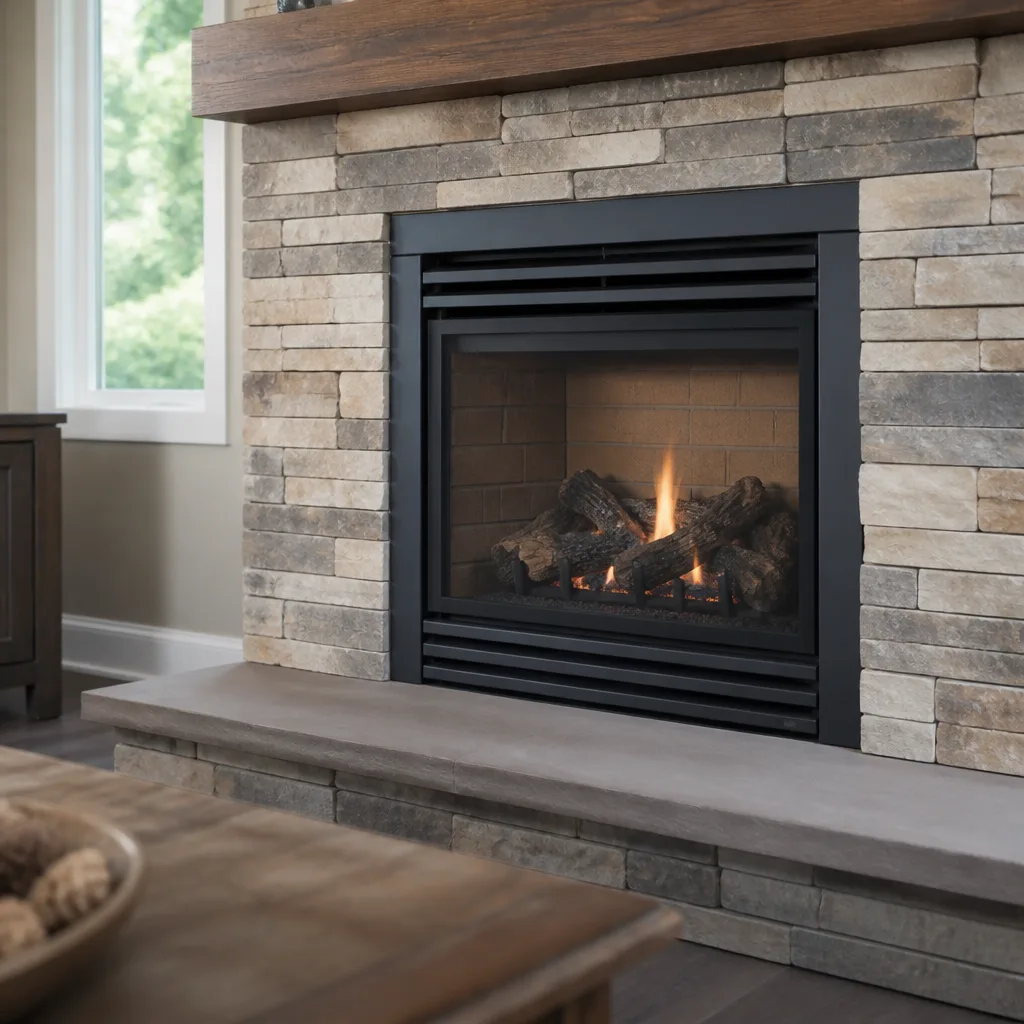 Gas fireplace service
Level 1 sweep and inspection to the NFPA 211 annual standard - flue, crown, cap, and flashing checked and photographed
Chimney sweep logs do not sweep chimneys. They loosen some creosote - which then falls where a brush and vacuum still have to collect it.
Styles & brands we work with
See the difference
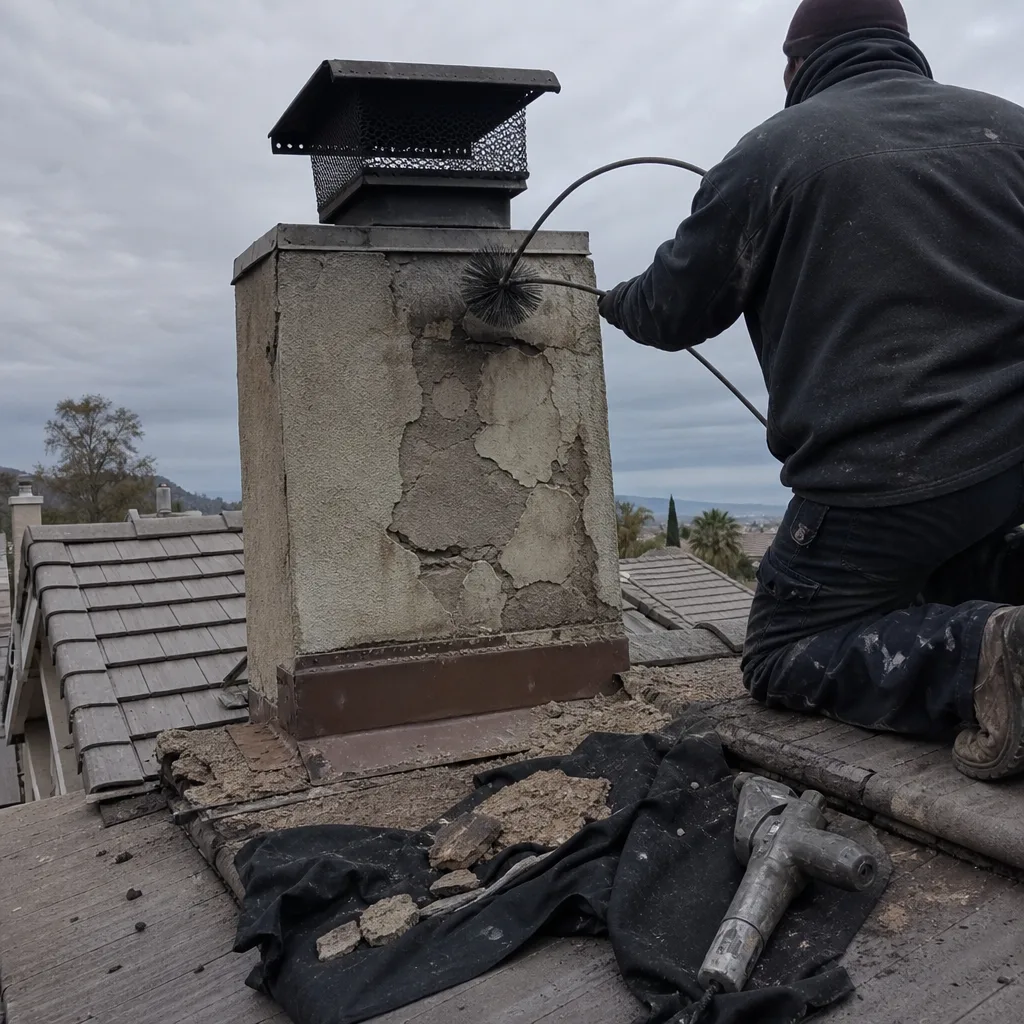 Before
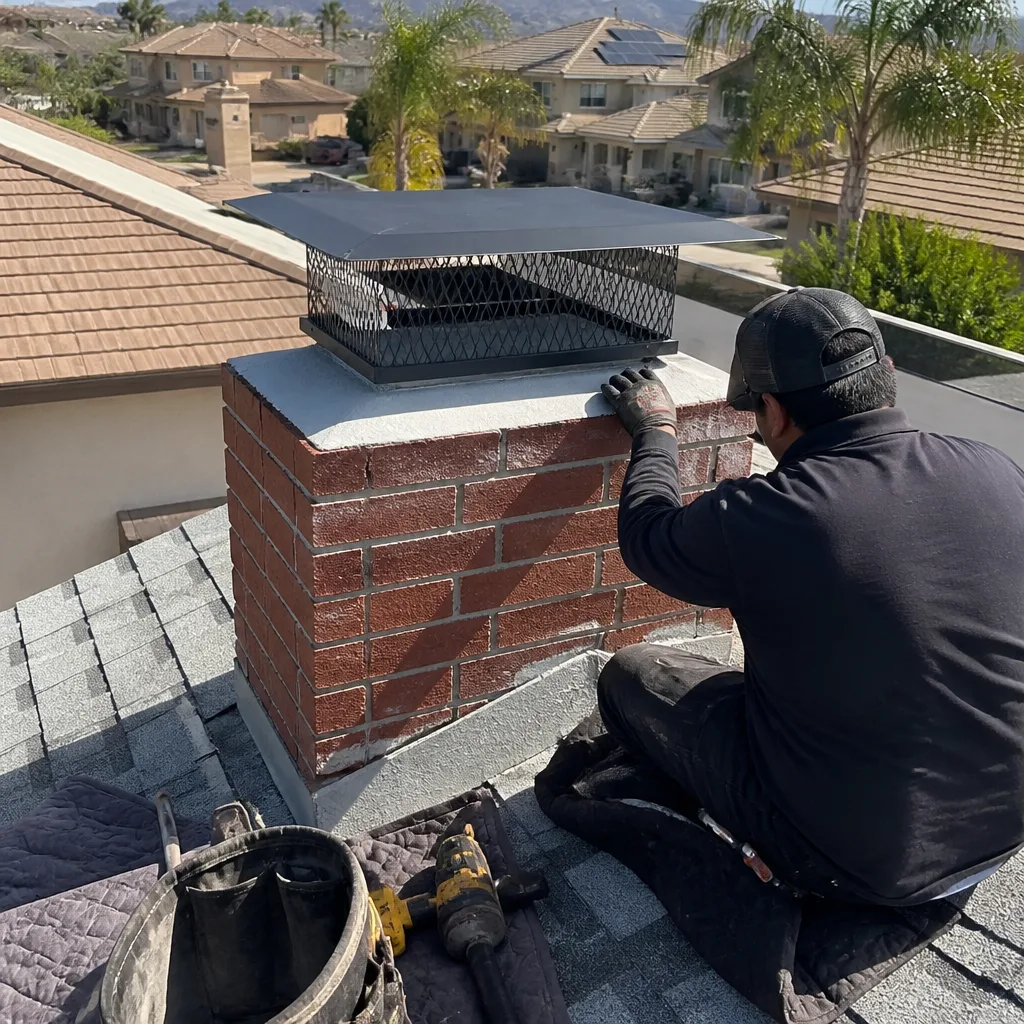 After
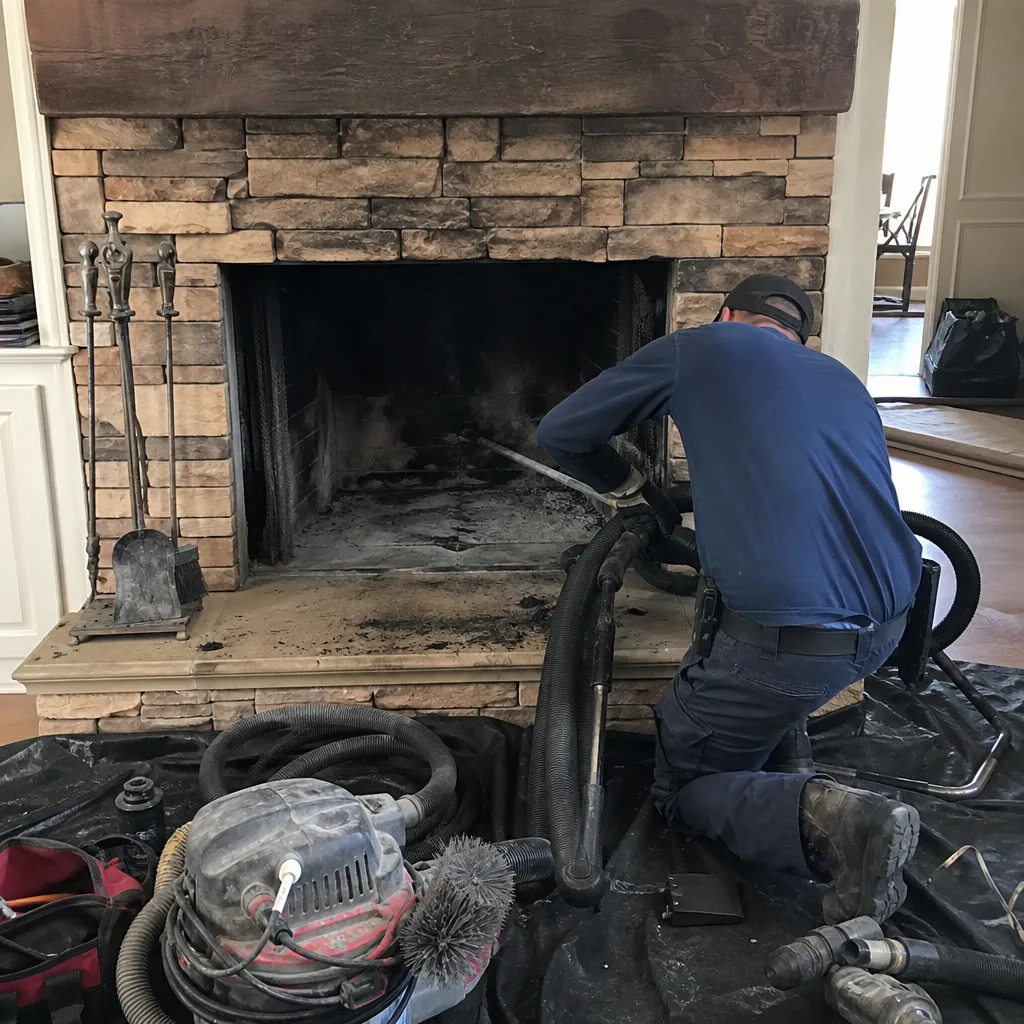 Before
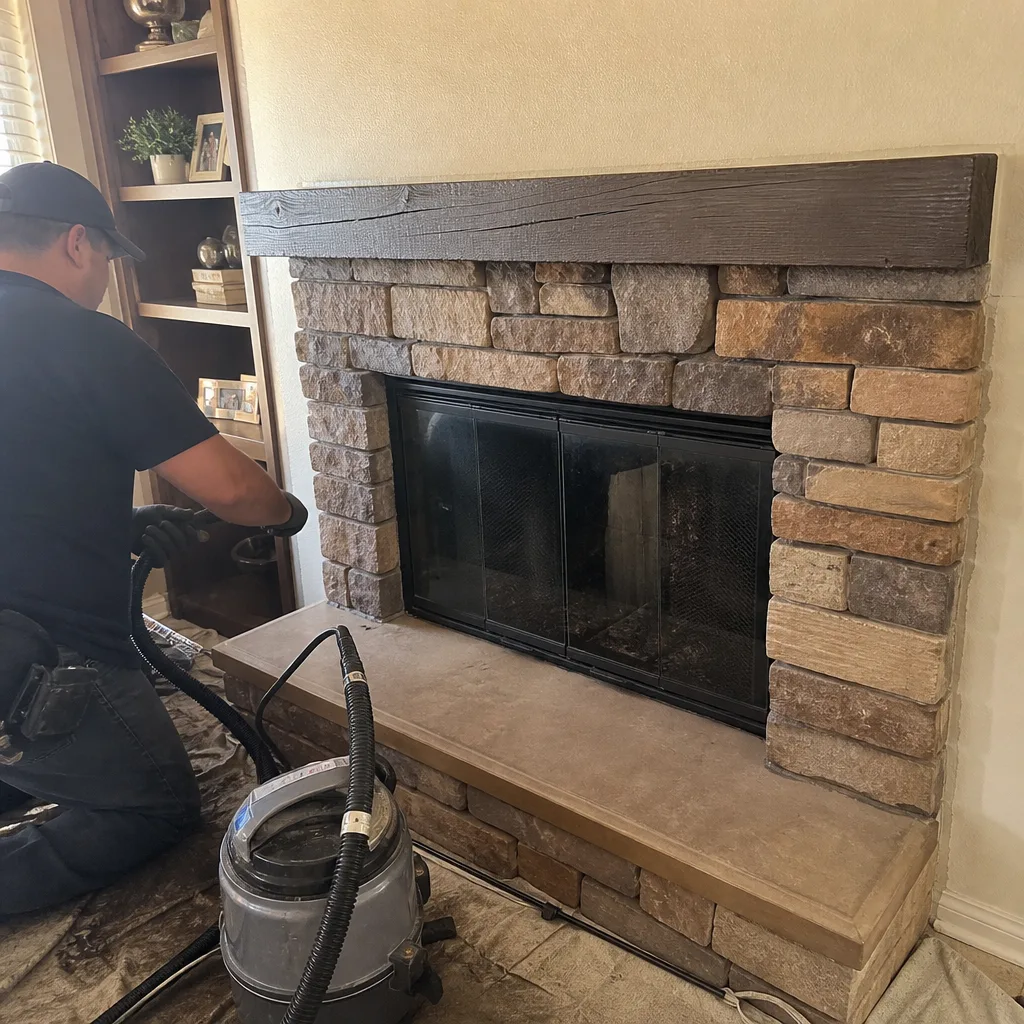 After
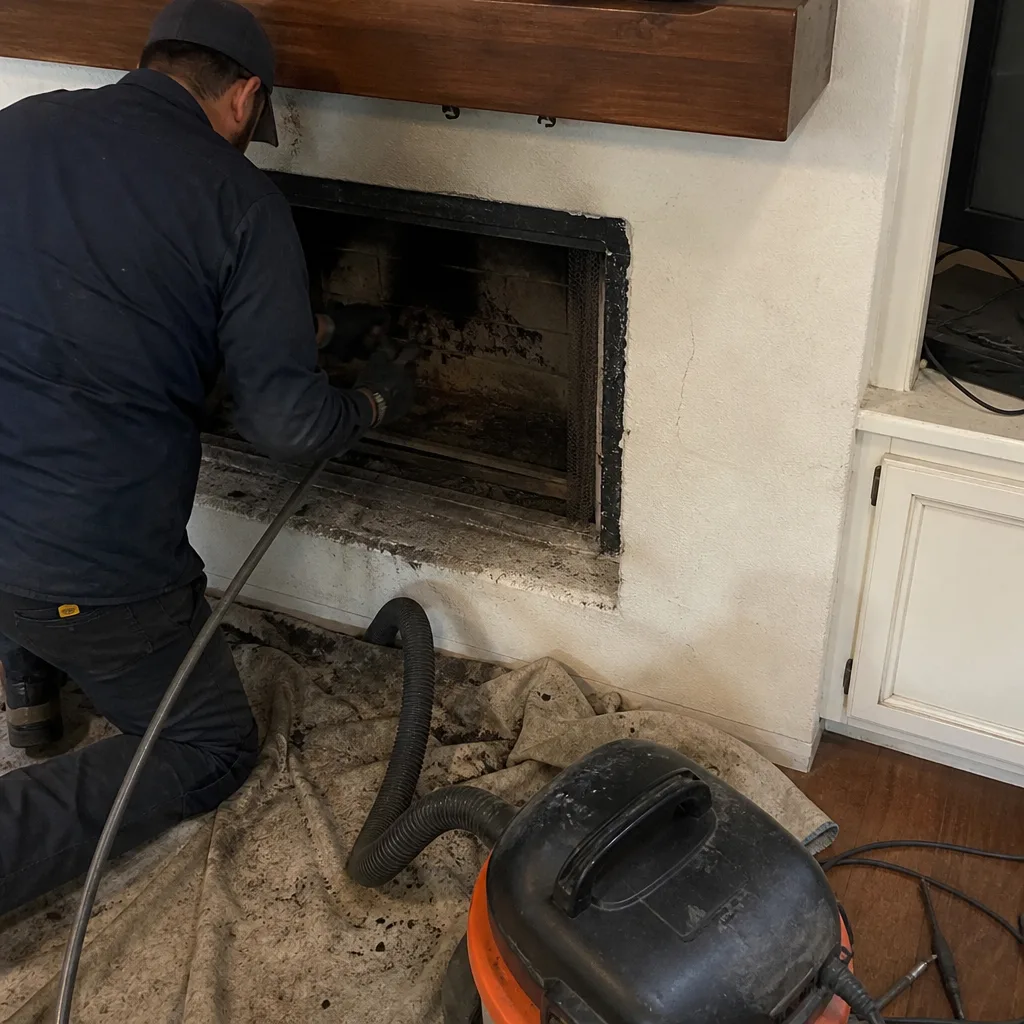 Before
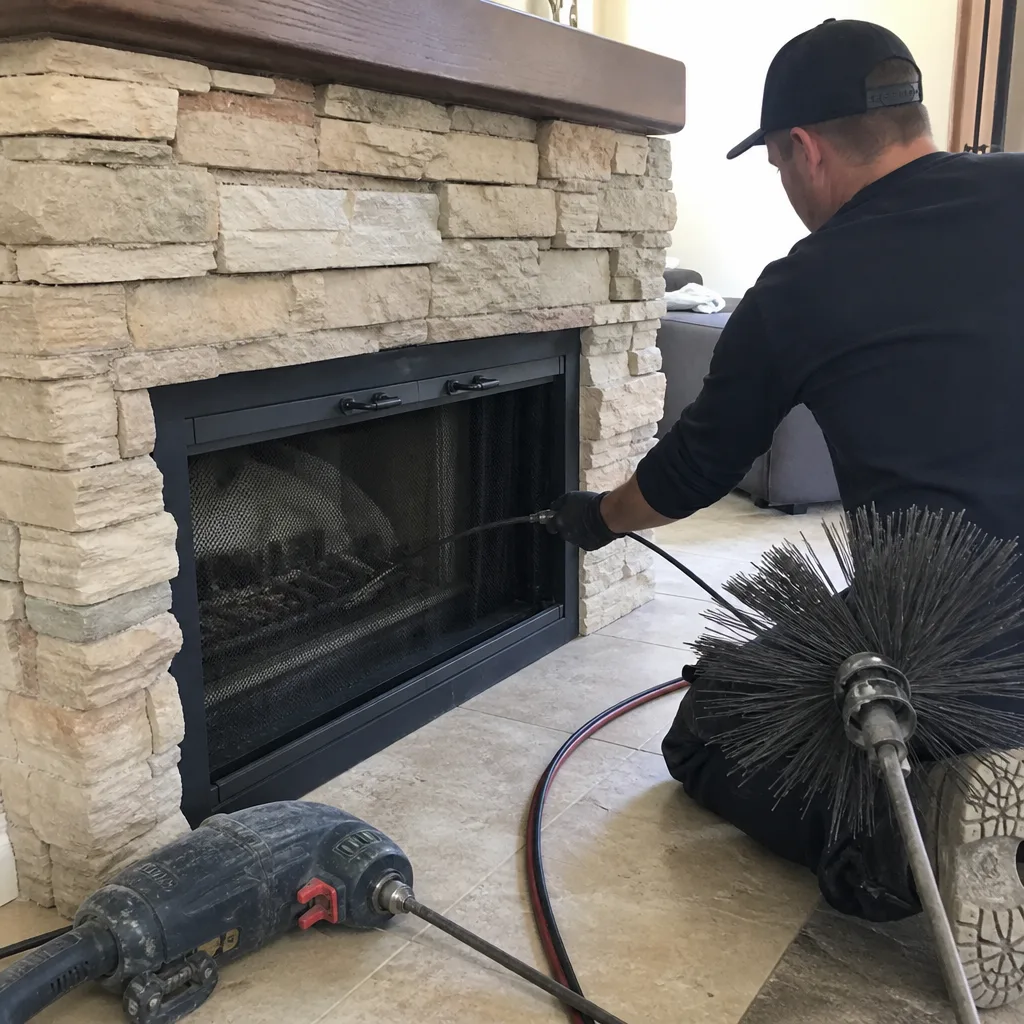 After
How Much Does Chimney Repair Cost in Corona?
Chimney repair in Corona typically runs $275 to $1,450 for most residential jobs in 2026, with the majority of routine repairs landing between $350 and $650. Crown and cap repairs sit at the low end, while flue liner work or partial masonry rebuilds push toward the high end. A few chimney problems cost more, but most Corona homeowners we visit are looking at a repair bill in the four-figure range or below, not a full rebuild.
We’re a full-service chimney company, not a sweep-only crew that hands off problems. When we find a cracked crown during a routine sweep, we’re the same company that fixes it. That matters when you’re pricing repairs, because you’re not paying two different trades two different visit fees for what should be one job.
Key Takeaways
- Most chimney repairs in Corona cost $275 to $1,450, with average jobs landing around $600.
- Crown repairs and caps are the cheapest fix at $275 to $575; flue liner replacement is the most expensive routine repair at $1,200 to $3,800.
- Corona’s dry heat, summer temperature swings, and the seasonal rains that follow them crack mortar crowns and pull mortar joints apart faster than most homeowners expect.
- HeatShield resurfacing can restore a failing flue interior for far less than a full liner replacement when the chimney qualifies.
- Repair is a core in-house service here, so you get one diagnosis and one fix from the same crew.
Chimney Repair Cost Breakdown (2026)
Here’s what the major repair categories cost in the Corona market this year. These ranges cover both materials and labor for a typical single-family home. Your actual number depends on chimney height, roof access, and how much of the structure is damaged.
| Repair Type | Typical Cost Range | What It Covers |
|---|---|---|
| Chimney cap install or replace | $275 – $575 | Stainless or copper cap, sealed to the flue |
| Mortar crown repair or rebuild | $350 – $850 | Cracked crown, new mortar crown, bonding |
| Flue tile joint repair | $400 – $950 | Repointing joints, sealing gaps between tiles |
| HeatShield flue resurfacing | $650 – $1,400 | Restores deteriorated interior where conditions qualify |
| DuraFlex flexible liner install | $2,200 – $3,800 | Full-length stainless flexible liner with insulation |
| Smoke chamber repair | $600 – $1,600 | Parging, resealing, correcting draft problems |
| Damper replacement | $300 – $800 | Top-mount or throat damper, hardware included |
| Spalling brick and masonry repair | $800 – $2,400 | Repointing, brick replacement, sealing |
| Chase cover or chase top repair | $450 – $1,100 | Rusted chase covers, leaks, hardware |
Those ranges hold for most Corona homes, but real jobs score differently depending on the chimney. A single-story ranch in South Corona with a short stack and easy roof access is a cheaper job to work on than a two-story Mediterranean with a tall exterior chase and a tiled roof that has to be walked carefully. Height drives labor. Roof material drives ladder and staging time. And when a chimney is wet from rain, we often have to reschedule the mortar work to let it dry, which adds a return visit.
What pushes a bill from the low end to the high end: the extent of deterioration, whether we’re restoring the interior of the flue versus replacing it, and whether the roof or siding needs to be touched to reach the work. What keeps it low: catching the problem early. A hairline crack in the crown is a modest repair. Left for two more wet seasons, it becomes a chase rebuild with water damage inside the chase.
What Affects Chimney Repair Pricing in Corona
Pricing isn’t arbitrary. A handful of specific factors push every quote up or down, and knowing them helps you read an estimate and spot when something looks off.
- Chimney height and roof access. A tall exterior stack takes longer to reach safely and more staging to work from. Homes in Corona Hills and along Green River have taller exterior chases that add labor time compared to shorter interior flues.
- Material condition. Hairline mortar cracks repoint quickly. Spalling brick, where the face of the brick is peeling away, means removal and replacement, which is a different job entirely. Our dry inland climate accelerates spalling on older clay brick when moisture gets trapped and freezes during the occasional cold snap.
- Liner configuration. A square clay tile flue with intact joints is straightforward to work in. An offset or partially collapsed flue can’t take a standard liner without customization. DuraFlex flexible liner systems are what we use for the older and complex configurations that rigid liners can’t reach, but the flexibility still takes a tech on a roof, not a catalog order.
- Whether resurfacing is viable. This is where real money gets saved. When a flue has deteriorated mortar joints or hairline cracks but the tile itself is still sound, HeatShield resurfacing can restore the interior without a full liner replacement. We check for that every time. Sweep-only companies can’t offer that option because surfacing requires a trained installer, and HeatShield is one of the six contractor-grade brands we stock and install alongside DuraFlex, Gelco, Olympia Chimney, Famco, and Copperfield.
- Firebox and smoke chamber condition. A firebox that’s been run hard for decades may need parging or a new refractory panel. The smoke chamber is where draft problems usually hide, and correcting it takes time.
- Dryer vent as a fire-prevention item. When we’re already on site for the chimney, we look at the dryer vent too. A clogged dryer vent is a fire waiting to happen, and that gets cleaned by the same technicians trained in combustion venting, not a separate less-qualified crew. It’s not a repair line item, but it’s the kind of thing that surfaces during a single visit.
Why Chimney Repair Costs What It Costs in Corona
Corona’s climate does specific things to chimney masonry. Summers run hot and dry, then the Santa Ana winds pull moisture out and push temperature swings through the day. Come winter, rain arrives and the masonry absorbs it. The next dry stretch pulls it back out. That cycle – wet, dry, wet, dry – is hard on mortar crowns and on the joints between flue tiles. In neighborhoods like Sierra Del Oro and down toward Temescal Valley, we see crown cracking at a pace that would surprise a homeowner who grew up in a wetter climate.
We also see a lot of coronas where the original crown was built shallow. A properly built mortar crown has a slope so water sheds off the top and away from the flue. When the crown is flat or nearly flat, water pools against the flue tile, works into the joint, and finds its way down the outside of the flue. That’s why crown repairs are so common here – and why we rebuild them with the right slope and bonding instead of smearing a patch over the crack.
Creosote plays into repair cost too. Creosote is the residue left in the flue after burning wood, and when it builds up, we recommend a sweep before repairs so the tech can actually see the surface and assess whether joints are sound. A clogged or heavily creosoted flue can also mean the repair is more urgent, because a hot fire against a failing flue is a hazard. Cleaning before repair is part of the job, not an add-on.
When to Repair, When to Replace
This is the question that matters most. Most homeowners want to know whether they’re looking at a $500 repair or a $3,000 replacement.
The short version: repair when the tile or liner has localized damage and the structure around it is sound. Replace when the liner is cracked through multiple tile sections, when internal tile has collapsed and can’t be surfaced, or when a flue was originally built out of the wrong material for the appliance you’re venting.
A flue liner matters because it protects the masonry from the heat and gases of combustion and keeps the vented smoke inside the flue. When tile cracks, gases and heat reach the surrounding masonry, which is a fire risk, not a cosmetic problem. On a chimney with a few failing joints, we repair. On one where several sections are cracked and the tiles are misaligned, a new stainless liner is the safer answer. We check the flue with a camera before recommending either path, so the recommendation comes from what’s actually in your chimney, not from a default upsell.
For a deeper look at how we approach liner work, masonry, caps, and dampers, our Chimney Repair in Corona page walks through what the job involves when you book it. And if you’re deciding between a repair and a larger project, starting from the home page of Corona Chimney Sweep gives you the full picture of what we do across all three services.
How to Save on Chimney Repair
You can’t make chimney repair free, but you can keep it from snowballing. A few practical moves:
- Book a sweep before the rainy season. A sweep in late summer or early fall catches hairline crown cracks before winter rain works them deeper. Repairing a hairline crack costs far less than rebuilding a crown in spring.
- Ask about HeatShield resurfacing. If your flue has deteriorated mortar joints but the tile is still sound, resurfacing can run well under the cost of a full liner. We check this on every repair call because it’s the single biggest cost saver on interior flue work.
- Bundle chimney work with dryer vent service. We’re already on the roof and in the house for the chimney. Adding dryer vent cleaning at the same visit keeps it to one trip and one service window, and dryer vent cleaning is a fire-prevention service, on the same footing as chimney work.
- Fix the cap before the crown. A missing or rusted cap lets water straight into the flue. A properly fitted stainless or copper cap, sealed to the flue, is a modest investment that protects everything underneath it.
- Get a free estimate and a written scope. We write out what we’ll do, what materials we’ll use, and why. Estimates are free. Call (855) 382-6159 to schedule one and see the actual numbers for your chimney.
What to Expect When You Call
When we come out, the tech inspects the chimney from the roof down and from the firebox up, runs a camera through the flue when a repair is possible, and checks the crown, cap, damper, smoke chamber, and firebox. You’ll get a written estimate with line items, so you can see what each part of the repair costs and ask questions about anything on it. We don’t hand off the repair to another company. What we find, we fix, and it’s the same crew that did the sweep.
If the repair involves the flue liner or interior flue surfaces, the right materials come from the same professional-grade lines contractor supply houses stock. We install DuraFlex, HeatShield, Gelco, Olympia Chimney, Famco, and Copperfield – the six brands we trust for liners, caps, dampers, and masonry products – rather than substitutes. That’s part of why a quote on a DuraFlex stainless flexible liner looks the way it does.
FAQs – Chimney Repair Cost in Corona
How much does chimney repair cost in Corona?
Most chimney repairs in Corona cost between $275 and $1,450, with routine jobs landing around $600 and larger projects like a flue liner replacement running $2,200 to $3,800. The exact number depends on what we find during inspection, which is why we quote in person. Call (855) 382-6159 for a free estimate.
Is it cheaper to repair or replace a chimney flue?
Repair is almost always cheaper when the tile is still sound – a HeatShield resurfacing at $650 to $1,400 is less than a full liner replacement at $2,200 to $3,800. Replacement makes more sense when the liner is cracked through multiple sections or the tile has collapsed. We check the flue with a camera before recommending either so you’re not paying for a replacement you don’t need. Call (855) 382-6159 and we’ll take a look.
How much does a chimney cap cost in Corona?
A chimney cap installed in Corona runs $275 to $575, covering stainless or copper material and sealing to the flue. It’s the least expensive way to stop water from getting into the flue and starting the cycle that cracks your crown. Call (855) 382-6159 for a free estimate.
Can you fix a cracked chimney crown the same day?
Most crown repairs are scheduled within a few days, and simple repairs can often be done in a single visit at $350 to $850. Resurfacing and full rebuilds sometimes need a return visit so the mortar can cure and set properly, which protects the repair. Call (855) 382-6159 to get on the schedule.
Do I need a chimney sweep before a repair?
Yes, in most cases. A sweep at $175 to $350 clears creosote so the tech can see and work on the inner surface. A clogged or heavily creosoted flue also makes a failing repair more urgent because creosote is what a chimney fire burns. The sweep is part of the job, and we do it before we quote the repair. Call (855) 382-6159 to book a sweep and inspection.
Contact Corona Chimney Sweep
If you’ve got a cracked crown, a failing flue, a missing cap, or a dryer vent you haven’t looked at in years, we can help you get it sorted. We’re a full-service provider: chimney sweeping, chimney repair, and dryer vent cleaning by the same technicians, materials from the six contractor-grade brands we stock and trust, and free estimates so you know the number before the work starts.
Call (855) 382-6159 for a free estimate. We serve Corona and the surrounding canyons and foothills, and we’d rather catch a small problem before it turns into a rebuild.
Pricing reflects the Corona market as of 2026. Corona Chimney Sweep offers free estimates – call (855) 382-6159.
What Our Customers Say
"Drop cloths everywhere, HEPA vac, and not a speck of soot on the carpet. I'd been dreading the mess for nothing."
— Jodi Brooks"Swept it, capped it, and installed a proper damper. The downdraft smell in the summer that we'd lived with for years is gone."
— Marcy Padgett"Good work. The written inspection report took about a week to arrive after I asked for it, which was slower than I expected."
— Raj Patel