 Sweep & inspection
 Caps & crowns
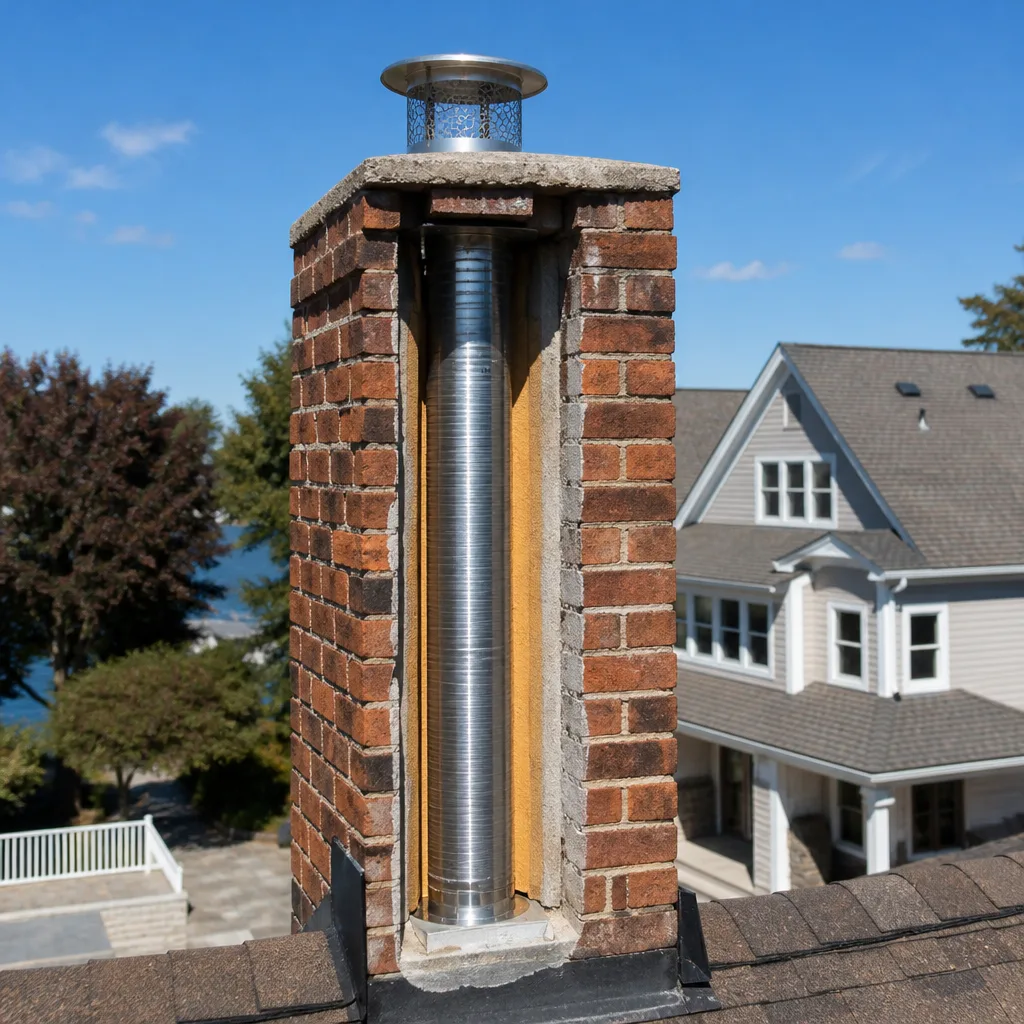 Flue relining
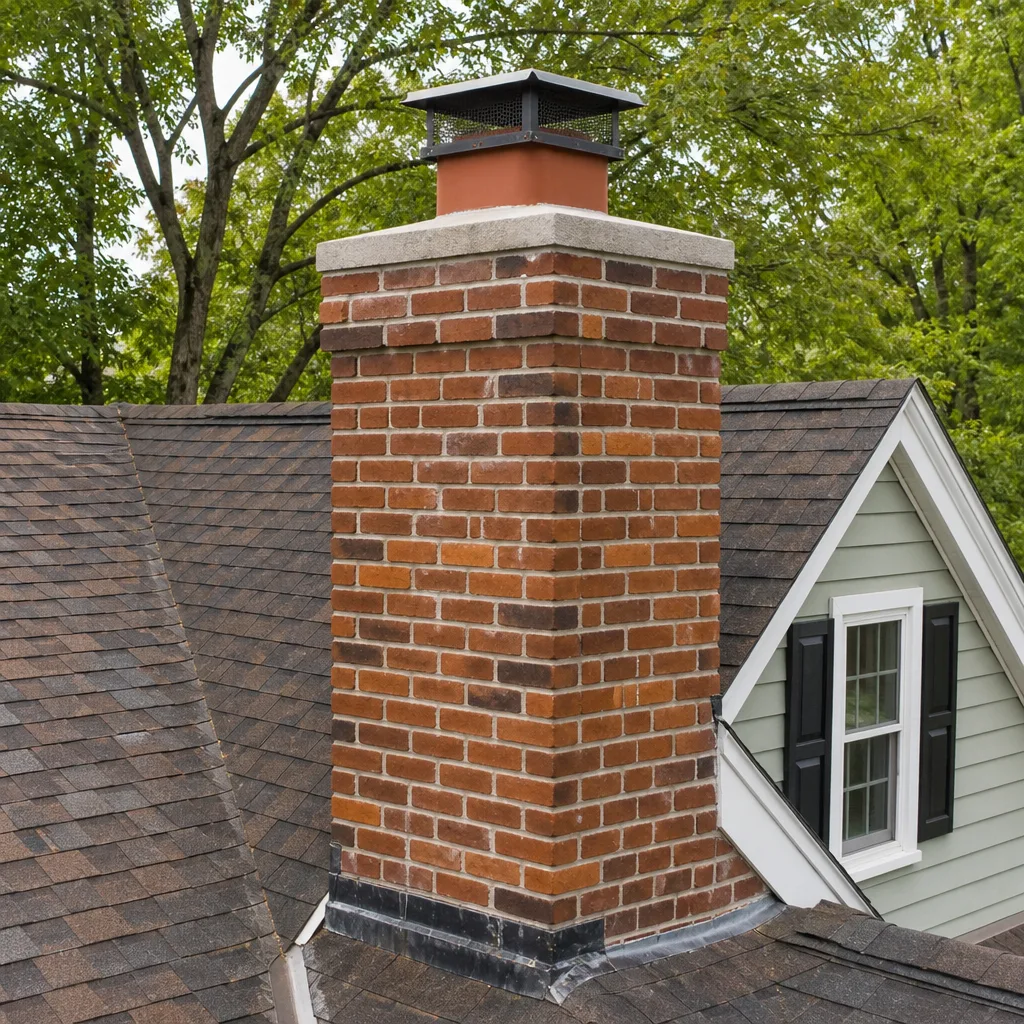 Masonry repair
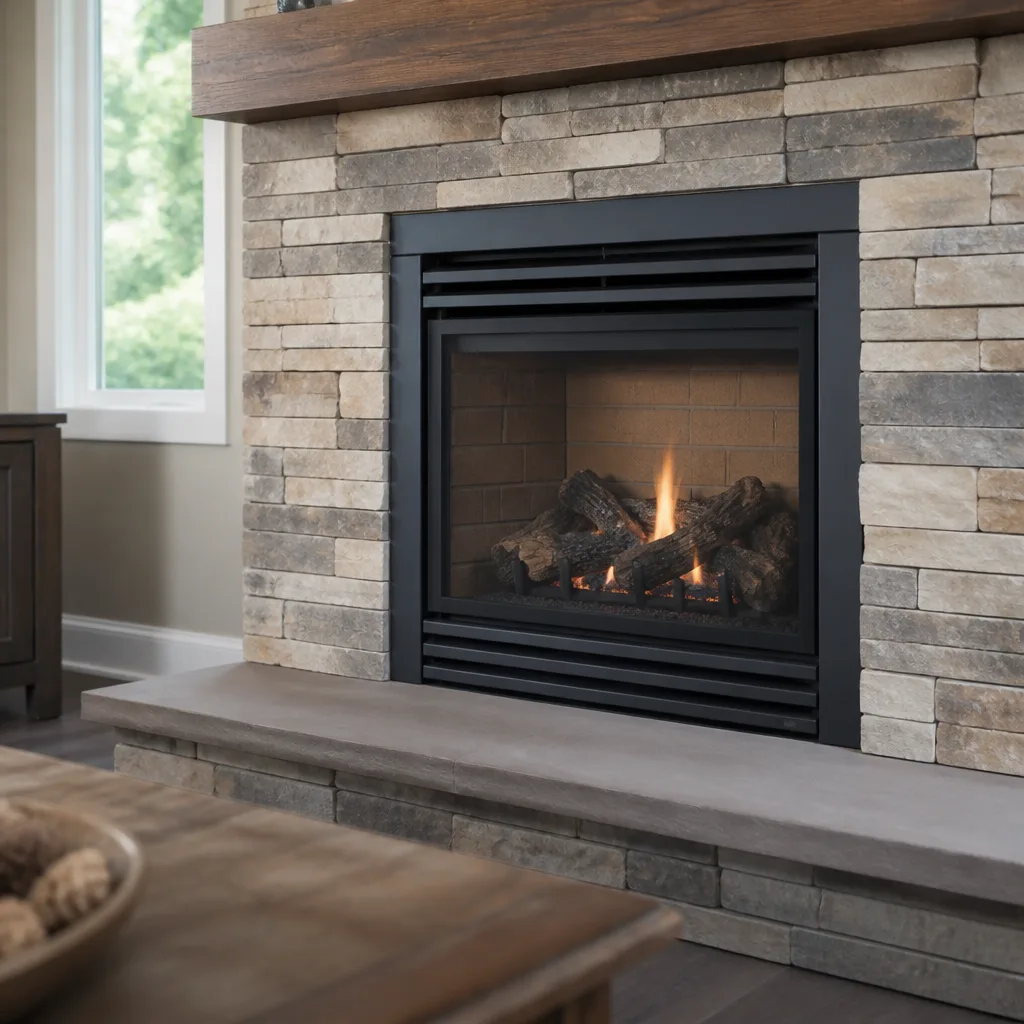 Gas fireplace service
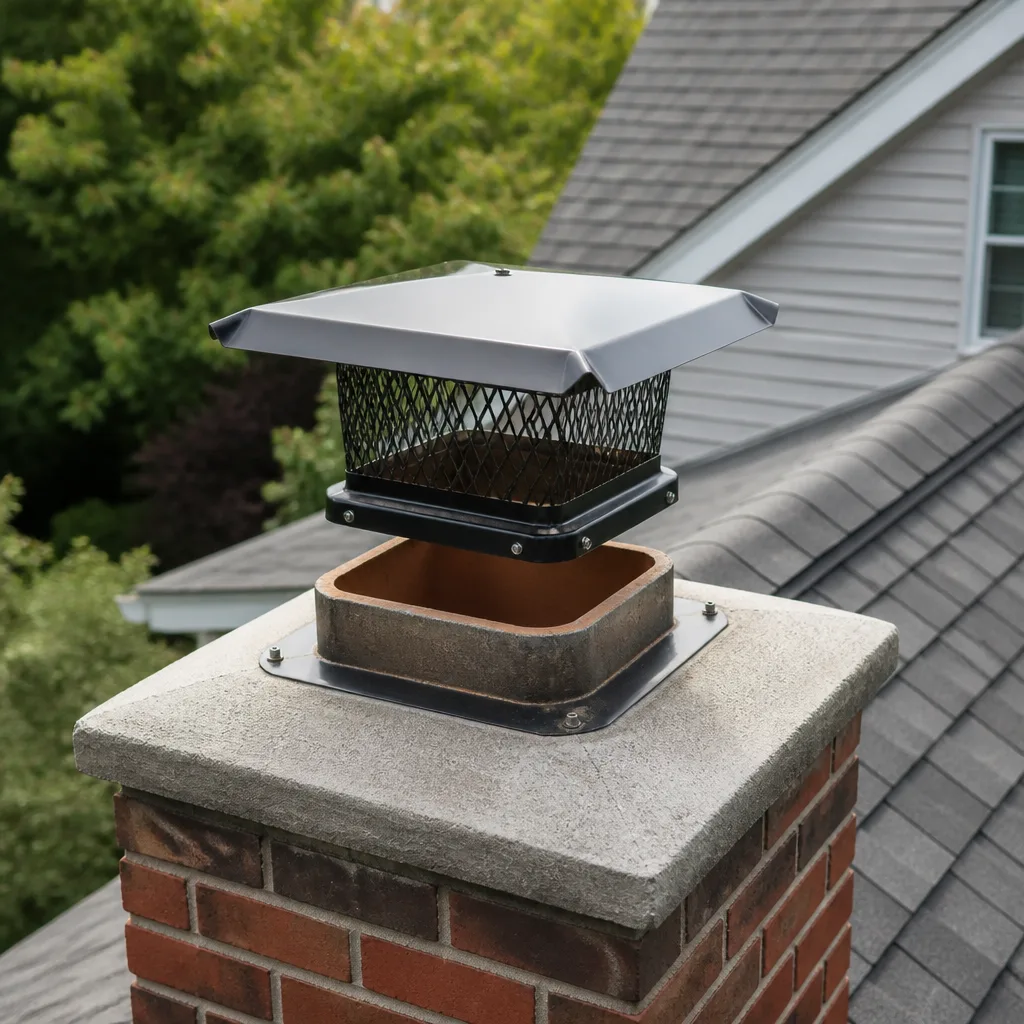
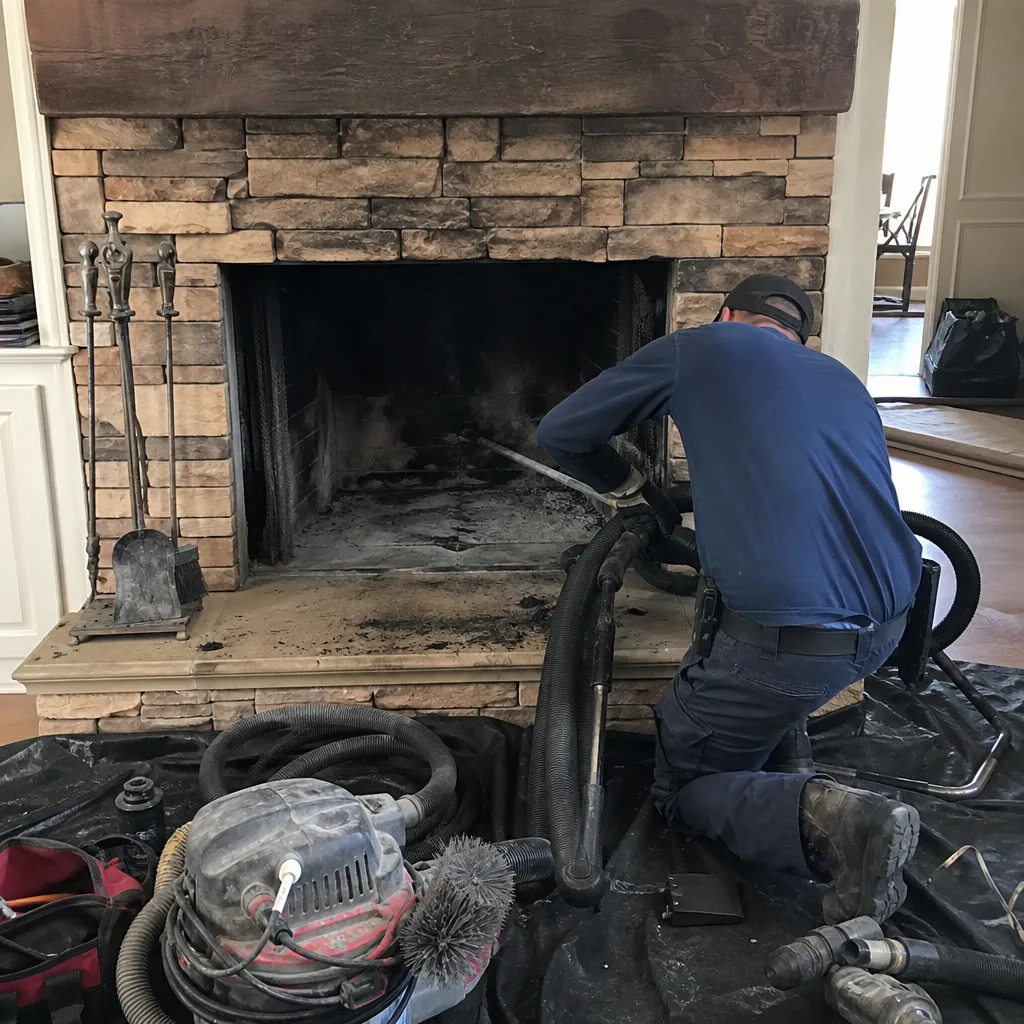
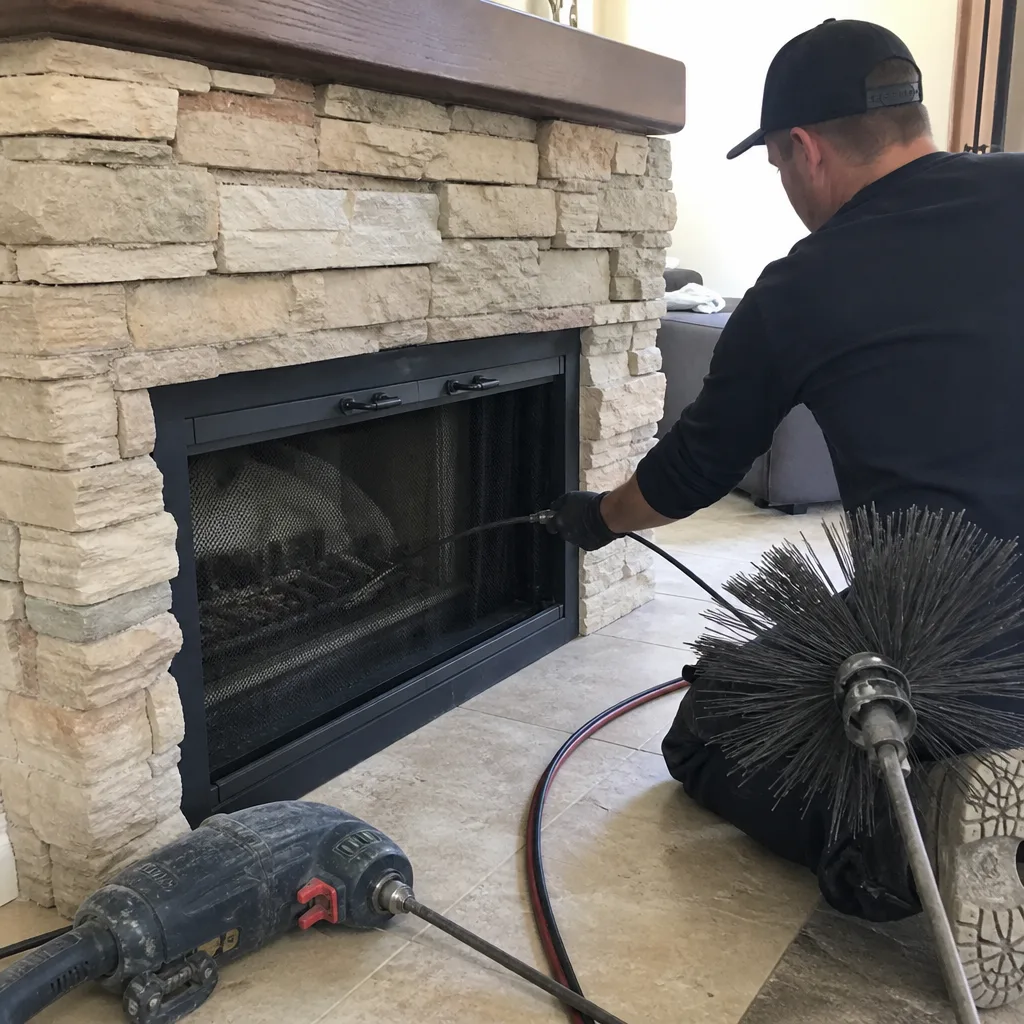
Level 1 sweep and inspection to the NFPA 211 annual standard - flue, crown, cap, and flashing checked and photographed
Chimney sweep logs do not sweep chimneys. They loosen some creosote - which then falls where a brush and vacuum still have to collect it.
Fast, Reliable Chimney Sweep Across Rolling Hills Estates
A chimney sweep in Rolling Hills Estates typically costs $180 – $340 for a standard cleaning of one fireplace or wood stove flue, and most jobs are completed in a single visit. We’ve worked on enough hillside estate chimneys off Palos Verdes Drive North to know that Rolling Hills Estates homes rarely have just one fireplace. The real work here is usually multiple flues per property, tall exterior stacks exposed to ocean air, and creosote that’s hardened from sitting under the marine layer for months at a time. Call us at (855) 382-6159 to schedule a sweep, and we’ll tell you exactly what you’re looking at before we start.
Why Corona Chimney Sweep Is Rolling Hills Estates’s Preferred Chimney Sweep Company
We’re the crew that other Rolling Hills Estates homeowners call when a sweep-only company finds a problem and hands them a referral slip. That doesn’t happen with us because our Chimney Sweep technicians repair what we find. Spalled crown, rusted damper, cracked flue liner: we fix it in-house using materials from HeatShield, Gelco, and Olympia Chimney, the same contractor-grade lines supply houses stock. We don’t send you to a stranger.
Rolling Hills Estates properties are different from the tract homes in Torrance or Lomita. These are custom builds from the 1950s through the 1980s on half-acre-plus lots, frequently with two or more masonry fireplaces and a wood stove tucked somewhere. The flues are long, the exterior stacks are tall, and the salt air off the Pacific is merciless on caps and crowns. We know what that combination does over thirty or forty years, and we quote accordingly, flat-price, before we book.
Nolan Ferris built Corona Chimney Sweep around a simple rule: one provider for every venting hazard. A single call covers the fireplace, the wood stove, and the dryer vent, all of which move combustion gases or lint out of your home and all of which can start a fire if they’re neglected. Rolling Hills Estates being what it is, you’ll likely want us to look at all three while we’re on the property, and we’ll photograph everything we find so you’re never taking our word on faith.
Styles & brands we work with
Gas Fireplace Cleaning in Rolling Hills Estates
Gas fireplace cleaning in Rolling Hills Estates runs $150 – $260 and is the service we recommend before the first fall fire, especially on estate properties where the insert sits unused for months under coastal humidity. A gas fireplace doesn’t produce creosote the way a wood burner does, but it does collect dust, pet hair, and a film of combustion residue on the glass and logs. More importantly, we inspect the venting, the gas line connection points, and the termination cap, because salt air corrosion on a hillside home can compromise all three faster than you’d expect.
What We Check on Every Gas Unit
We pull the logs and glass, clean the burner ports, and check the pilot assembly for corrosion. We also verify the vent run is clear and the termination cap hasn’t been clogged by eucalyptus debris or taken over by a bird looking for a sheltered spot.
When Coastal Homes Need It Sooner
The marine layer means condensation, and condensation on a gas appliance’s internal components accelerates rust. If your insert has been dormant since spring, schedule the cleaning before you fire it up. It’s faster to clean a slightly corroded burner than to replace one that’s been sitting wet for six months.
Chimney Maintenance in Rolling Hills Estates
Chimney maintenance in Rolling Hills Estates means staying ahead of the specific things that tear up flues on the Palos Verdes Peninsula: salt-air rust on caps and dampers, spalling mortar crowns from damp winter fog, and hard acidic creosote from intermittent burning. A standard sweep is $180 – $340 per flue. If we’re doing a maintenance visit that includes a Level 1 inspection, damper adjustment, and cap check, budget $250 – $450 depending on how many fireplaces and how tall the exterior stacks are.
Annual Sweep Plus Cap and Crown Check
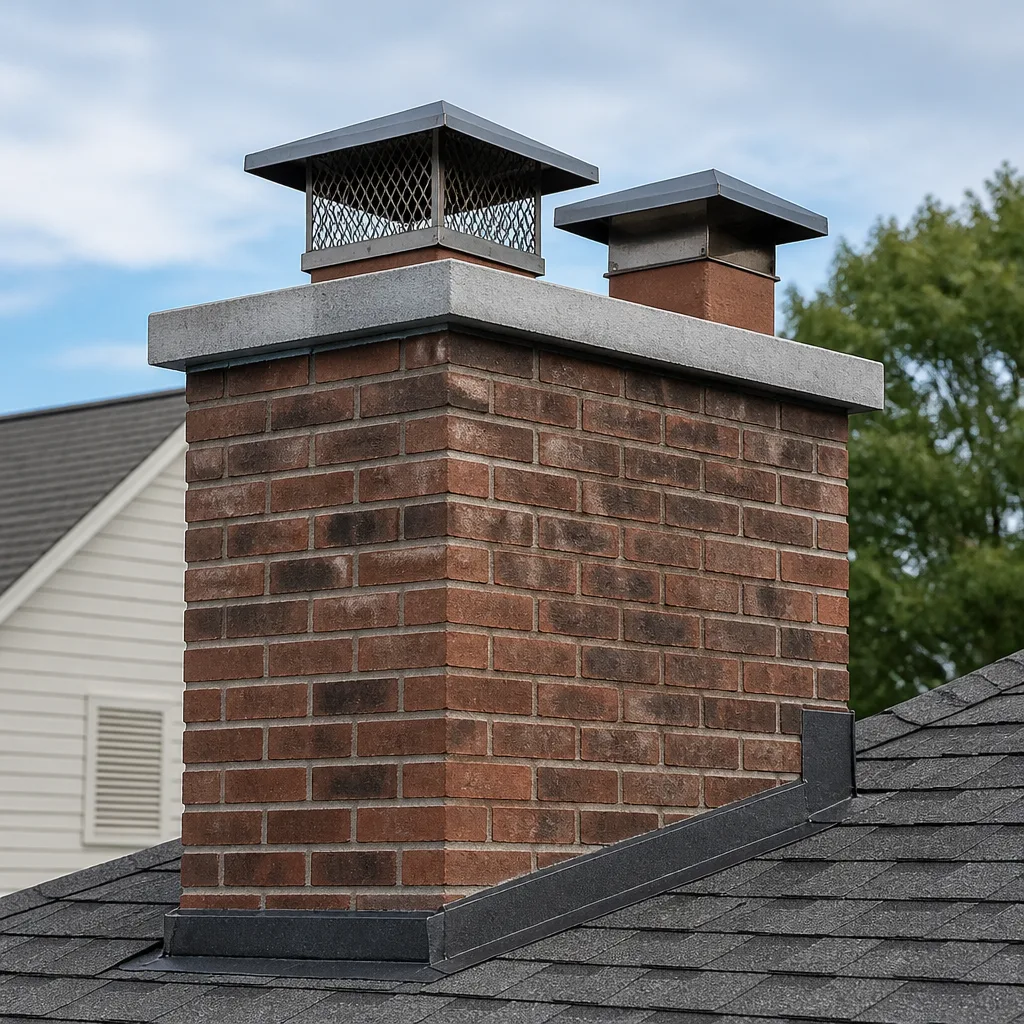
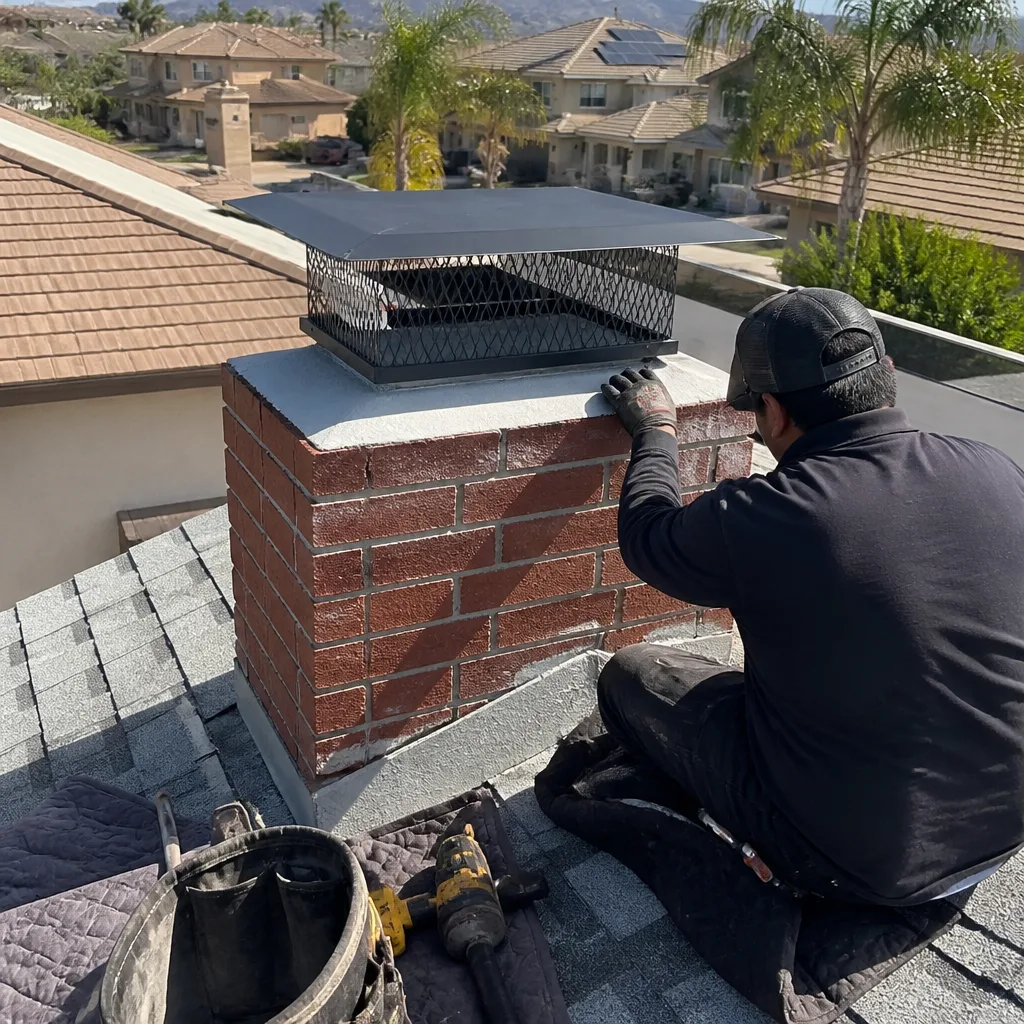
Every chimney on a hillside lot in Rolling Hills Estates should have its cap and crown looked at once a year, even if you barely burn. The ocean air doesn’t take the season off. A rusted-through cap takes minutes to replace before it lets water and birds into the flue; a spalled crown left alone becomes a masonry repair that costs ten times more.
Wood Stove Burners Need a Different Calendar
If you heat primarily with a wood stove on a horse-property lot, you’re loading more fuel through that flue than a decorative fireplace owner burns in two years. That flue should be swept every 60 to 90 days during burn season, not once a year. Hard second-degree creosote forms faster under the marine layer than it does in dry inland climates, and it doesn’t brush out with a standard sweeping alone if you’ve let it sit.
Trusted Brands We Service in Rolling Hills Estates
We install and service chimney systems built from materials that actual contractors trust. That means HeatShield resurfacing for qualifying flues with deteriorated mortar joints, Gelco chimney caps and dampers for coastal corrosion resistance, and Olympia Chimney components where replacement parts are needed. We keep common fittings and caps on the truck when we head out to a Rolling Hills Estates job, because driving back down the hill for a part wastes your afternoon and ours. If your flue has a deteriorated liner and conditions qualify, we can often restore it with HeatShield rather than pulling the whole system out. That’s the difference between working with a chimney health provider and a crew that only brushes soot.
See the difference
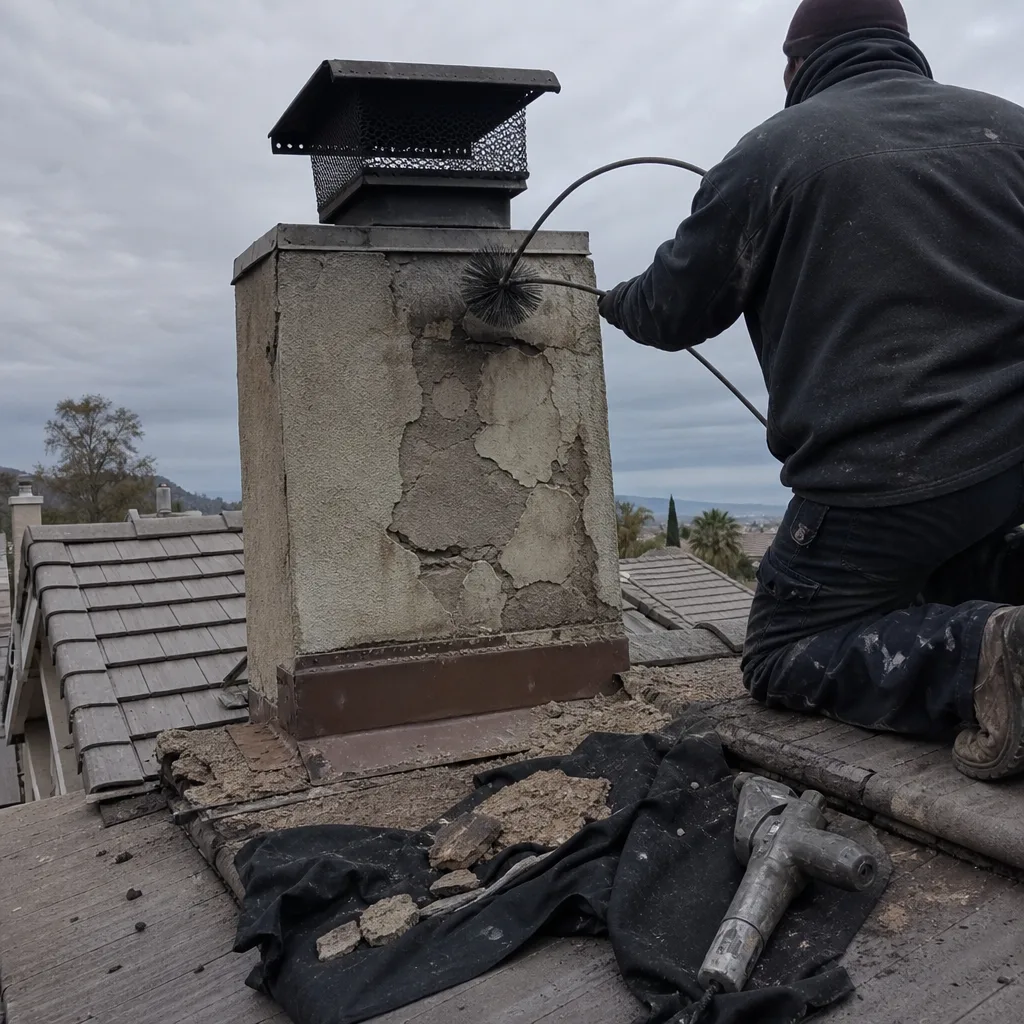 Before
 After
 Before
 After
 Before
 After
Common Chimney Sweep Problems We See in Rolling Hills Estates Homes
- Second-degree creosote in a single season. Intermittent burning under coastal damp lets soot and moisture combine into hard, acidic deposits. A quick annual brush won’t always clear it; stubborn cases need mechanical removal or a chemical treatment followed by a second pass.
- Uncapped flues packed with eucalyptus and oak debris. The canopy over horse-property streets drops leaves, twigs, and seed pods straight into open chimney tops. Add an opportunistic bird nest and you’ve got a blocked flue before the first cold night, which is a carbon monoxide risk when you light a fire.
- Salt-air corrosion on caps, dampers, and crowns. The Pacific is close enough to put salt in the air every day. A cap that looked fine in June can be rusted through by November, and a rusted cap lets water into the smoke chamber where it spalls brick and mortar from the inside out.
- Multiple fireplaces, multiple problems, one long afternoon. Estate homes off Palos Verdes Drive North often have two or three flues at different heights and exposures. The north-facing stack corrodes faster. The shorter, sheltered one collects more debris. We service them all in one visit so you’re not booking a second call a month later.
Pricing for Chimney Sweep in Rolling Hills Estates, CA
A standard one-flue chimney sweep in Rolling Hills Estates costs $180 – $340. Gas fireplace cleaning runs $150 – $260. If we’re doing a full maintenance visit with a Level 1 inspection, damper adjustment, and cap check, expect $250 – $450 per visit depending on how many flues and how tall the stacks are. A Level 2 inspection, which we recommend for any older custom home that hasn’t been inspected in years, runs $250 – $500. These figures are honest ranges for this area, and the exact quote is firm before we start. Call (855) 382-6159 and Nolan Ferris will walk you through what your property actually needs, not what a generic price sheet says.
We Also Serve Cities Near Rolling Hills Estates
Our trucks cover the whole Palos Verdes Peninsula and the South Bay, which means we’re in Rolling Hills Estates most weeks. If you’re in Manhattan Beach, Torrance, Lomita, or Palos Verdes Estates, the same crew handles your chimney. You can read more about our work across the region on our Rolling Hills Estates service area page, or call (855) 382-6159 and we’ll tell you when we’re next in your neighborhood.
Serving Rolling Hills Estates, CA — Our Local Coverage Area
We’re based in the Rolling Hills Estates area and know this community well. Use the map below to see our service coverage — if you’re nearby, we can almost certainly help.
FAQs About Chimney Sweep in Rolling Hills Estates
A wood stove flue used as the primary heat source in Rolling Hills Estates should be swept every 60 to 90 days during burn season, not once a year. The marine layer’s humidity hardens creosote faster than dry inland air does, and a primary-heat stove loads far more particulate through the flue than a decorative fireplace. If you’re burning every day from November through February, you’ll want at least two sweeps in that window, and we’ll tell you honestly if your burning practices are building up deposits faster than you think. Call (855) 382-6159 to schedule, and we’ll set you on a maintenance calendar that actually matches how you use the stove.
That smell is almost always a draft reversal in an unused flue, and it’s common in Rolling Hills Estates estate homes with multiple fireplaces on different floors. Coastal humidity plus an uncapped or poorly capped flue lets moisture sit in the smoke chamber, where it soaks the creosote residue and releases that sour smoky odor down through the house. A cap and screen install plus a thorough sweep usually solves it. We’ve also seen dead birds and nesting material trapped above a damper that’s been rusted shut by salt air. We’ll camera the flue and show you what’s in there before we recommend a fix.
Yes, and they’re one of the most frequent discoveries on our first visit to a Rolling Hills Estates home. The eucalyptus and oak canopy over horse-property streets drops leaves, bark, and seed pods straight into open chimney tops, and birds find those sheltered flues ideal nesting spots in spring. We’ve pulled nests nearly the size of a basketball out of uncapped flues on Palos Verdes Drive North. A cap and screen install stops it permanently and pays for itself by sparing you from blocked-draft carbon monoxide risk and a bird dying in your firebox.
Salt air off the Pacific corrodes every metal component on a chimney: caps, dampers, chase covers, and the flashing where the stack meets the roof. On a tall exterior chimney on a hillside lot in Rolling Hills Estates, those components are fully exposed to the marine layer year-round, so they rust faster than they would on a shorter, sheltered chimney in Torrance or Lomita. A rusted cap lets water into the flue, which then spalls the brick and mortar from the inside. We replace caps and dampers with corrosion-resistant models from Gelco and Olympia Chimney, and we inspect them every time we’re on the roof.
A Level 1 inspection checks accessible portions of the chimney and is adequate for a home that’s been serviced annually. But an older custom home in Rolling Hills Estates with two or more masonry fireplaces has hidden areas, long interior flue runs, and decades of coastal moisture exposure, and those conditions can hide cracks, liner damage, or separated flue sections that a visual inspection from the roof and firebox alone won’t catch. That’s why we recommend a Level 2 inspection with a camera for any estate home that hasn’t had one in years. It runs $250 – $500 and it shows you, on video, exactly what’s happening inside your flue. Call (855) 382-6159 to book one and we’ll schedule the camera work the same trip.
Written by Nolan Ferris, Owner at Corona Chimney Sweep, serving Rolling Hills Estates and the Palos Verdes Peninsula.