Last updated October 30, 2026
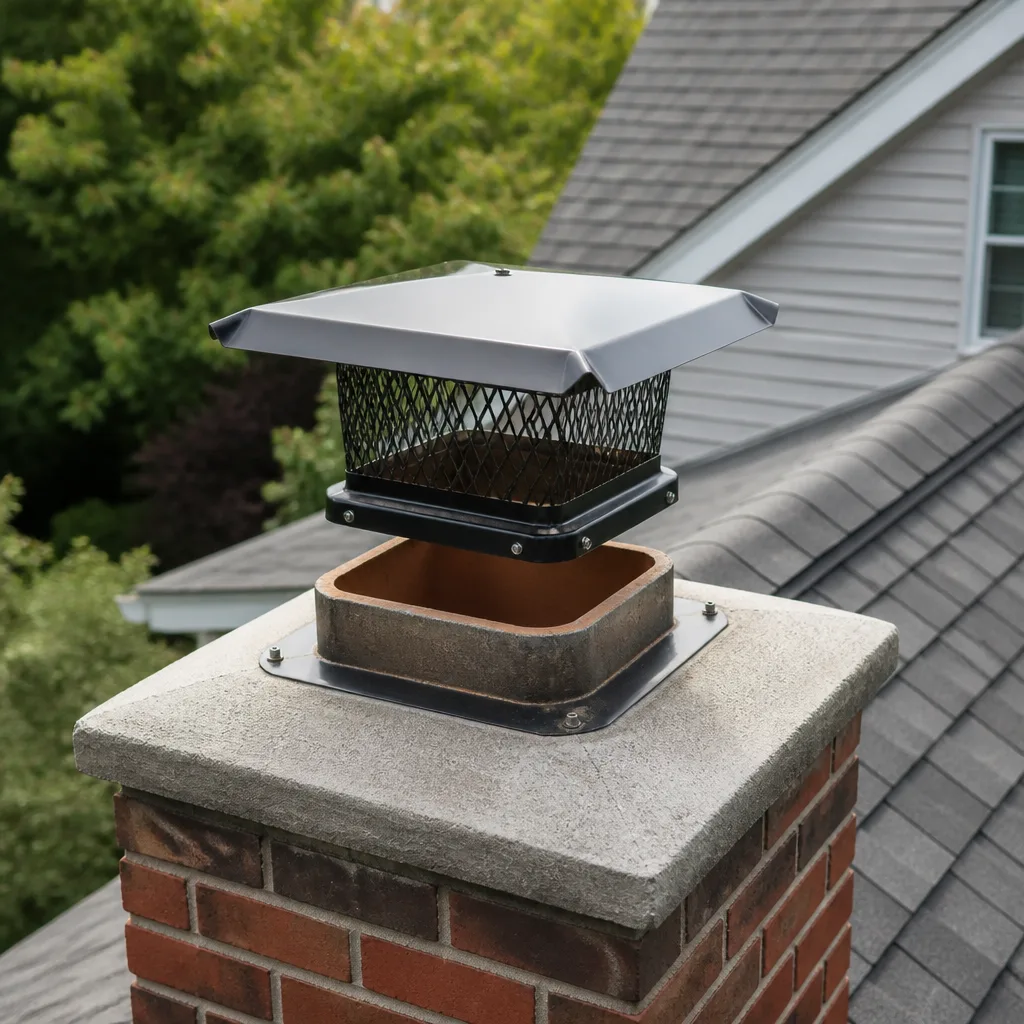 Sweep & inspection
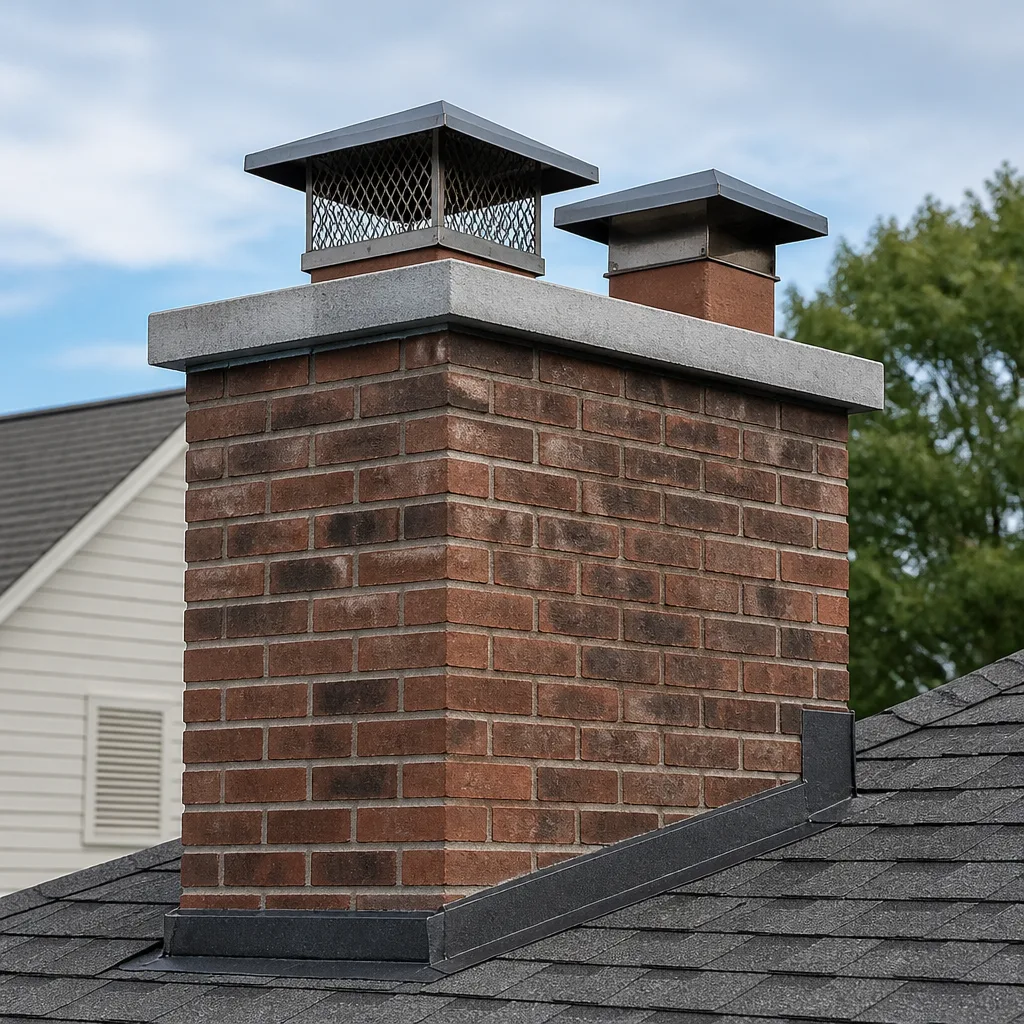 Caps & crowns
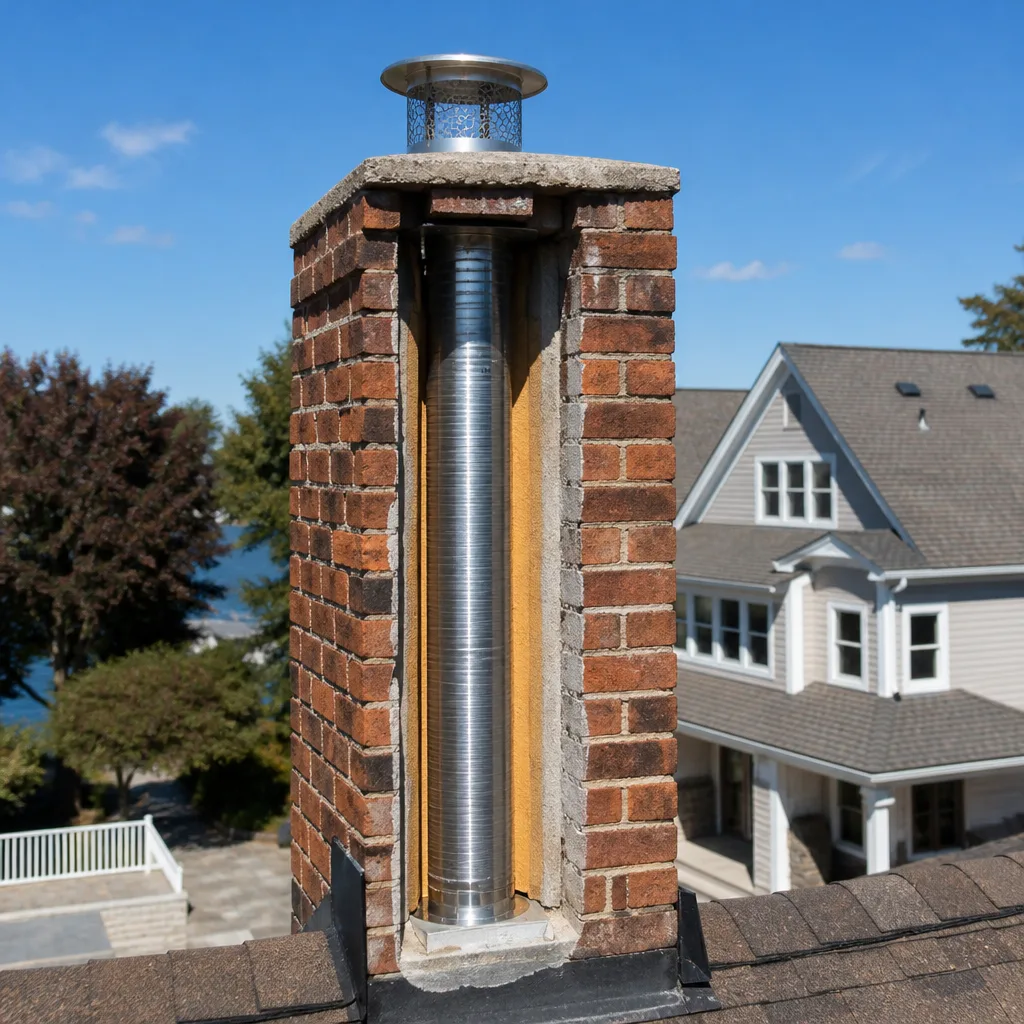 Flue relining
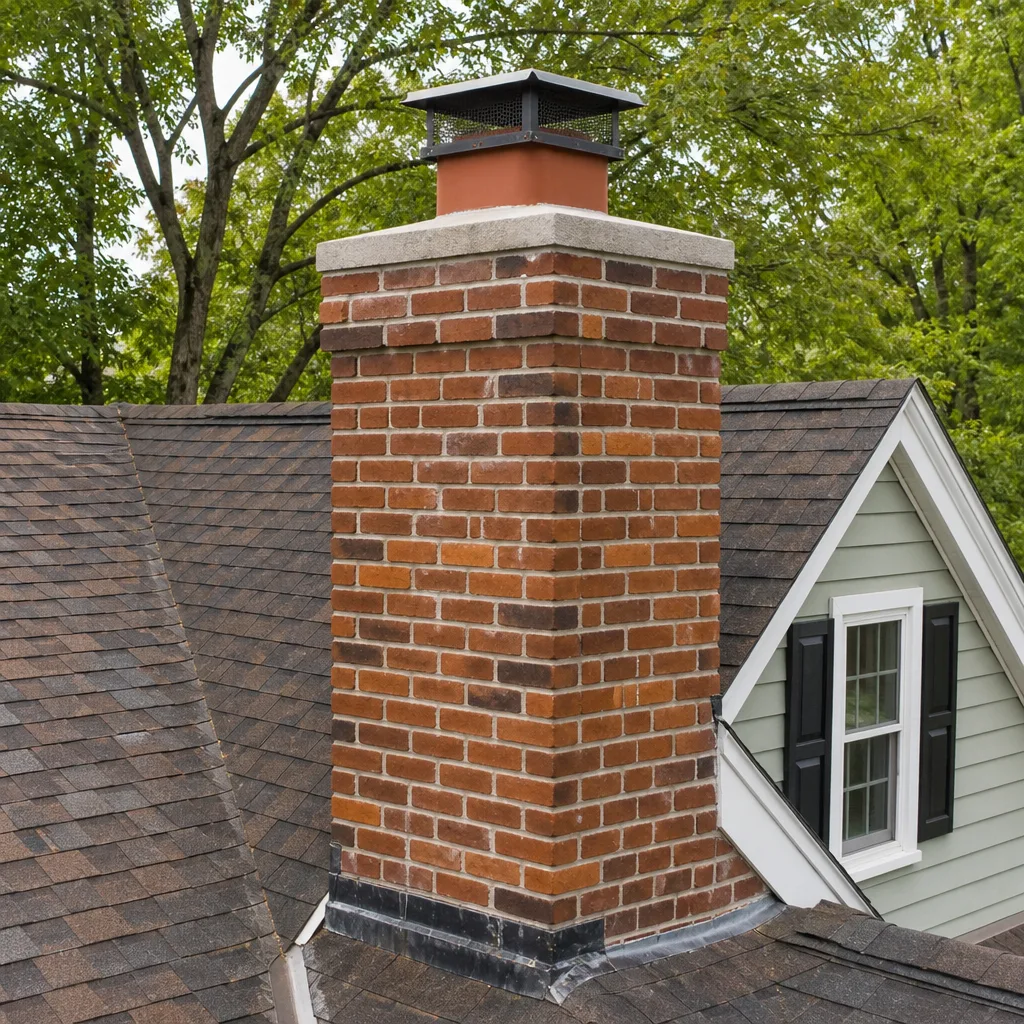 Masonry repair
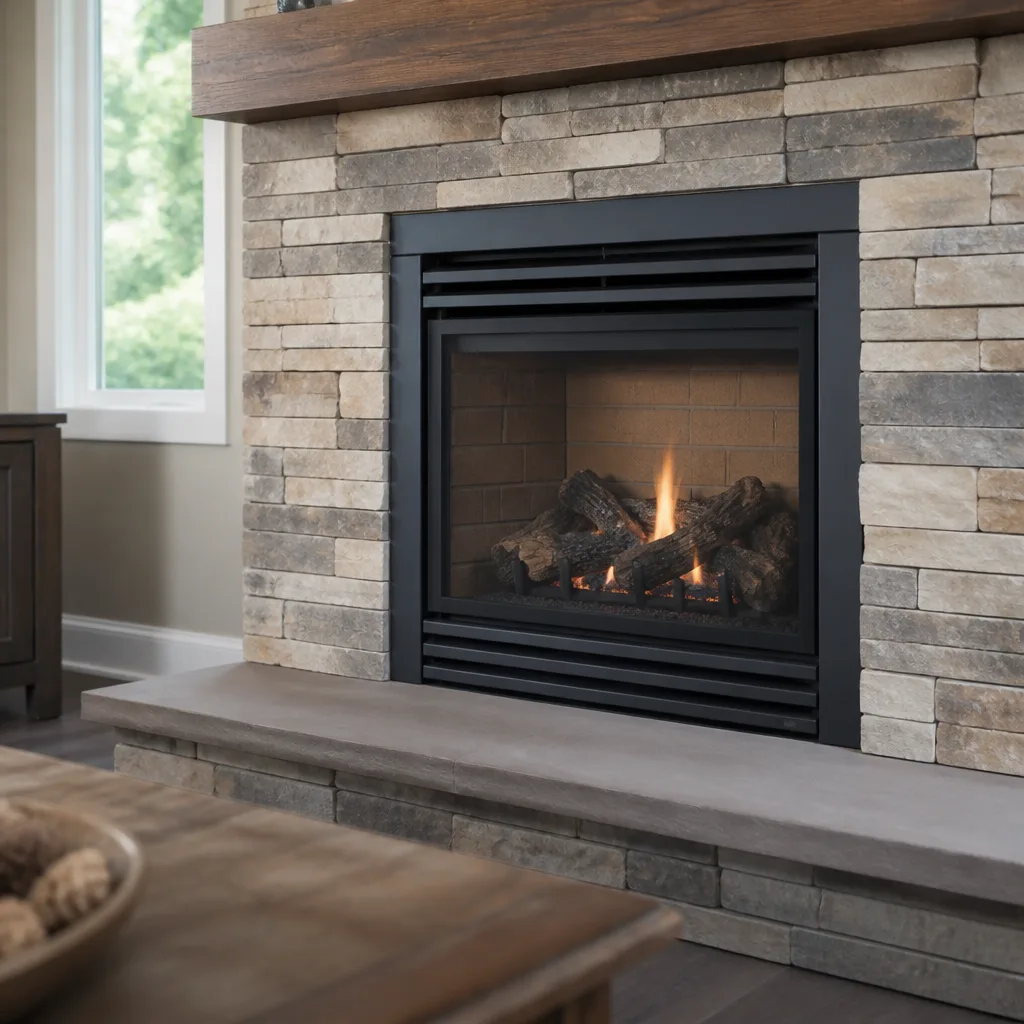 Gas fireplace service
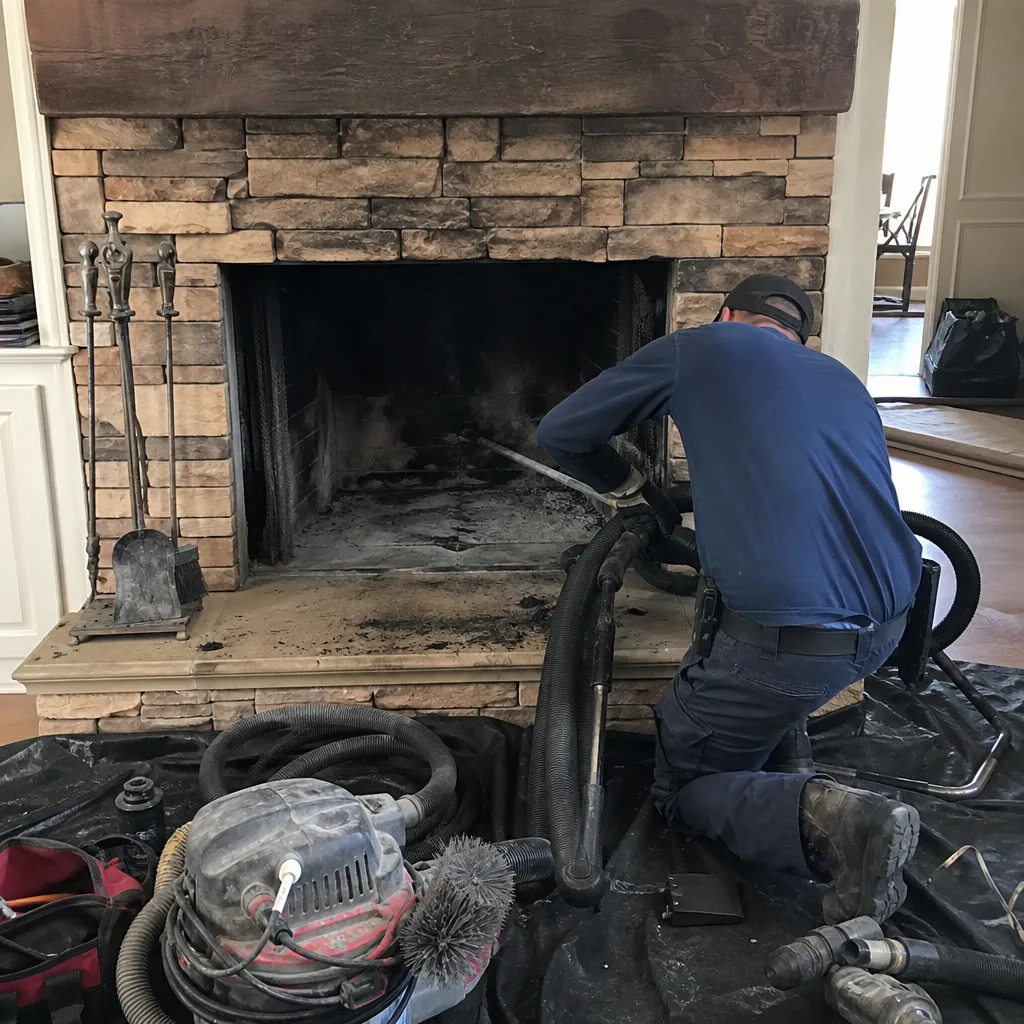
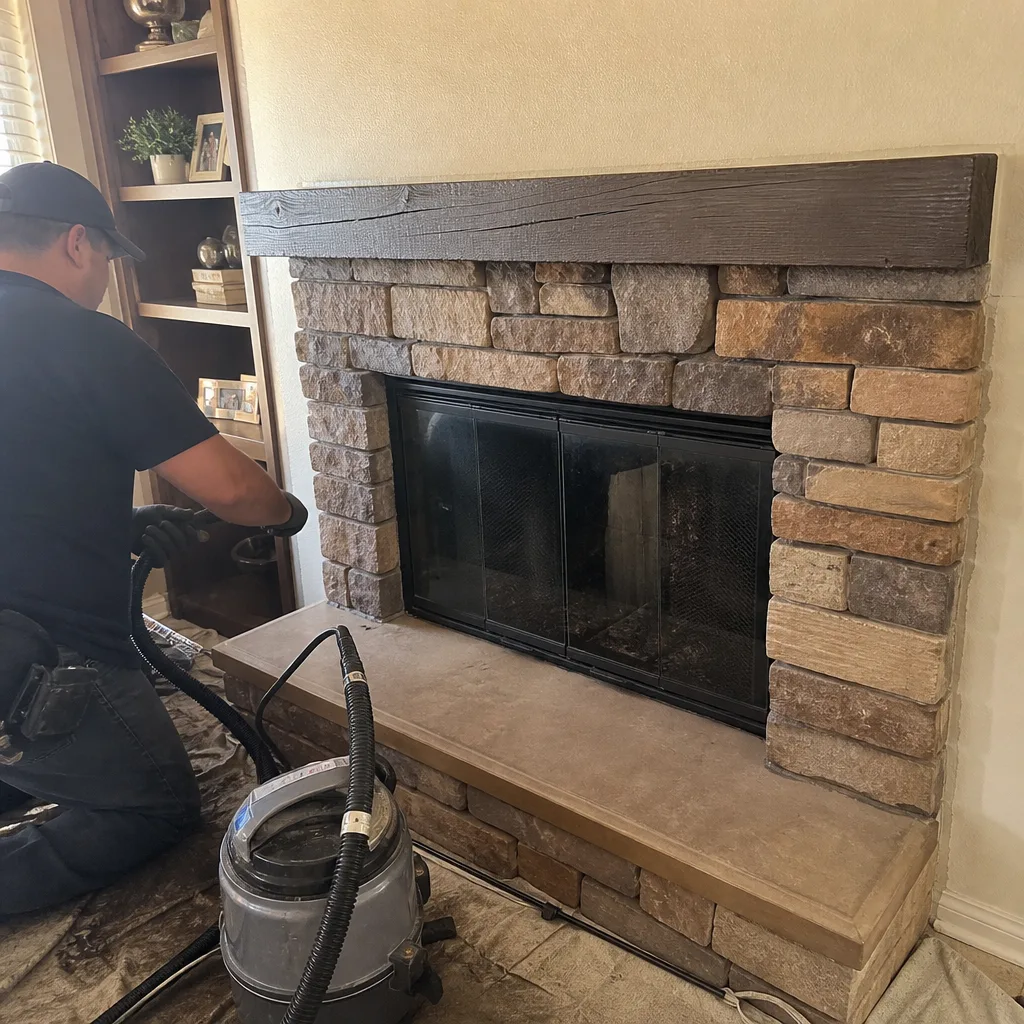
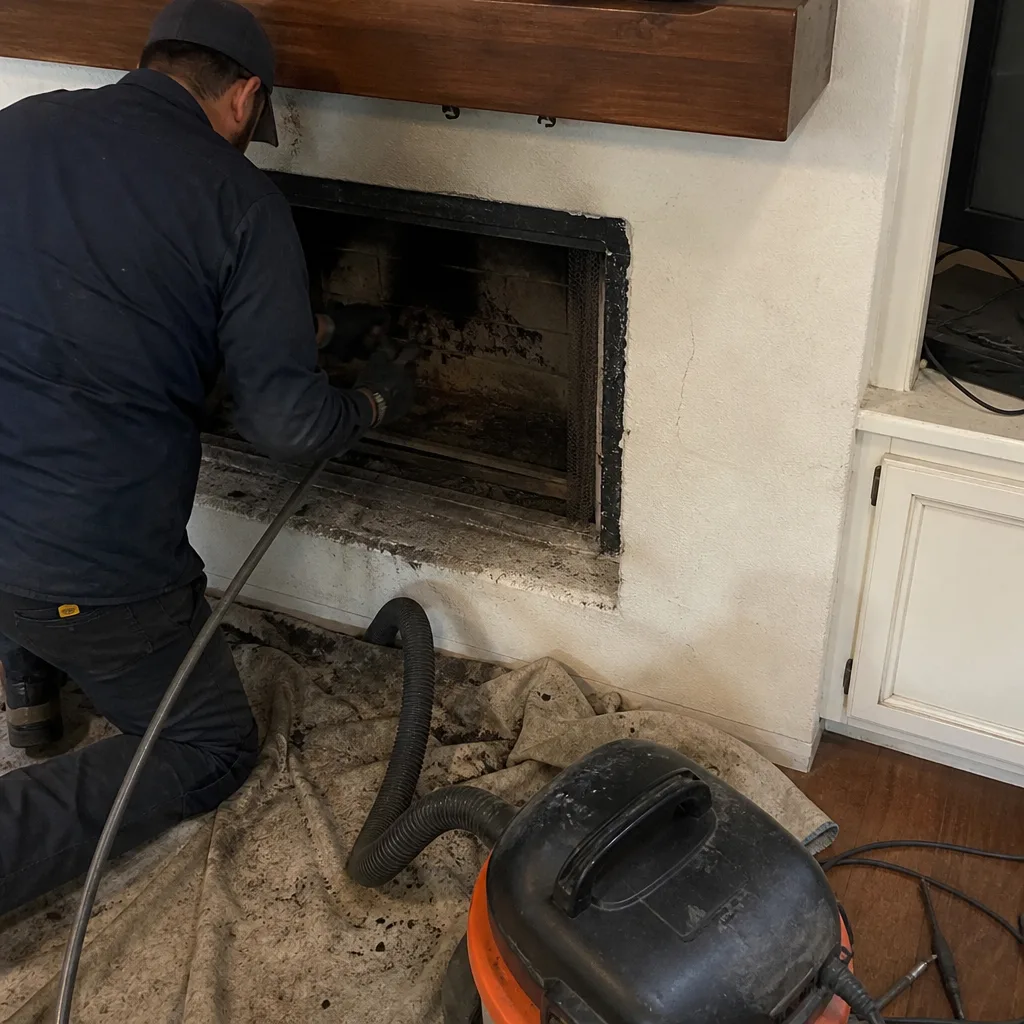
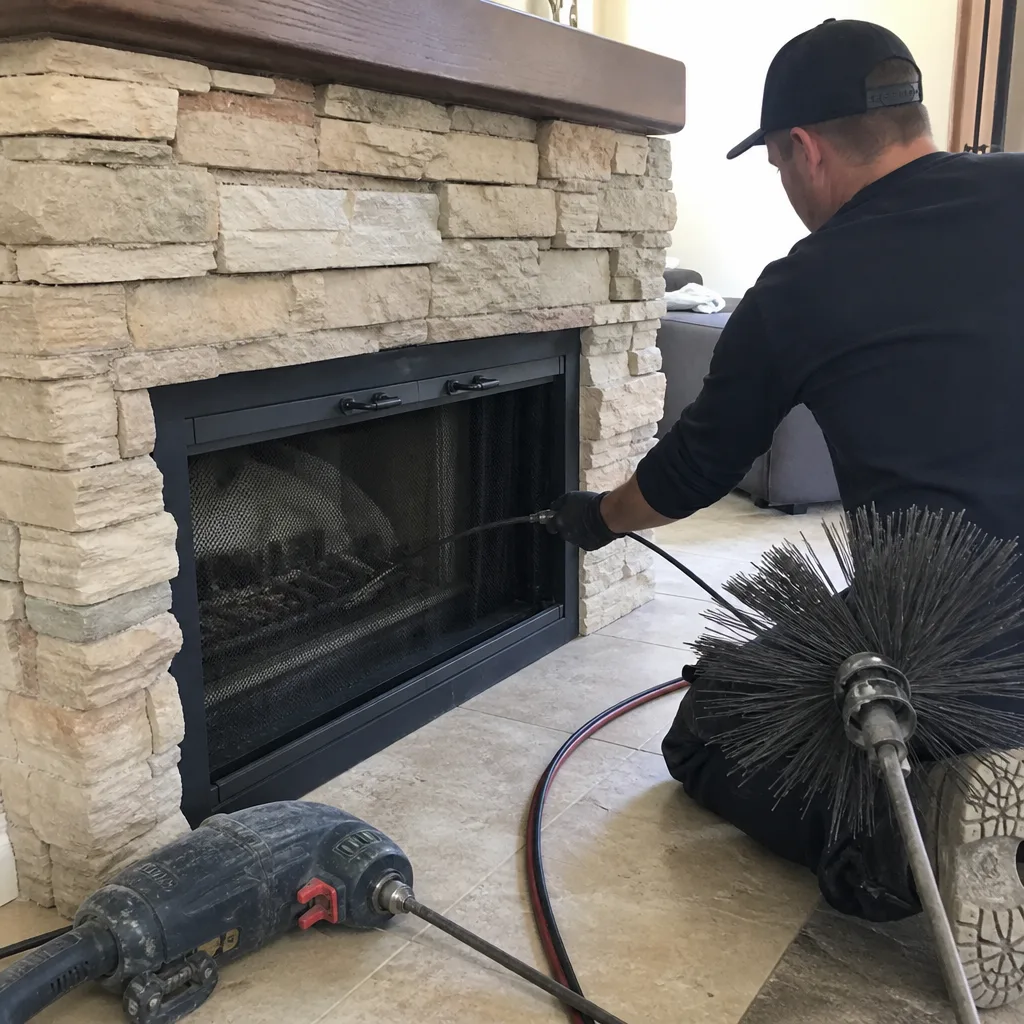
Level 1 sweep and inspection to the NFPA 211 annual standard - flue, crown, cap, and flashing checked and photographed
Chimney sweep logs do not sweep chimneys. They loosen some creosote - which then falls where a brush and vacuum still have to collect it.
Chimney Cleaning Warning Signs: A Corona Homeowner’s Reference Guide
A smoky smell in your living room on a windy day isn’t a sign your chimney needs cleaning. It’s a draft reversal symptom that points to a damper, cap, or flue sizing problem that cleaning alone won’t fix. That distinction matters, because most chimney warning signs in Corona get rationalized away as “just how the fireplace is” until a small issue becomes a structural one. This guide maps each observable symptom, odor, sound, and visual cue to the specific component causing it, so you know whether to schedule a sweep or stop using the fireplace tonight, and you can find Chimney Sweep Troubleshooting: Common Problems and How to Fix Them for deeper guidance. We’ll cover the quiet operational changes that matter more than the dramatic ones, using what we see across thousands of chimneys in Corona’s climate and housing stock.
Quick Answer
Chimney warning signs in Corona break into four categories: odor changes (creosote smells different from animal intrusion, which smells different from masonry moisture), smoke behavior shifts (draft problems, not buildup, cause most backdrafts), sound signatures (each component failure has a distinct noise profile), and visual evidence on the flue or masonry. The action threshold is simple: creosote odor, visible soot, or white efflorescence on exterior brick means schedule a sweep and inspection within the month using our Chimney Sweep Maintenance Checklist for Corona Homeowners; smoke entering the room, a strong animal odor, or loose flue material in the firebox means stop using the fireplace and call for an inspection before the next burn.
Styles & brands we work with
Table of Contents
- Odor Signatures: What Three Different Chimney Smells Actually Mean
- Smoke Behavior: Draft Reversal, Lazy Draft, and What Each Points To
- Sound Signatures: Damper, Flue Tile, and Wildlife Noise Compared
- Visual Warning Signs on Masonry and Flue Components
- White Efflorescence Staining: The Liner Integrity Connection
- Action Thresholds: Monitor-and-Schedule vs. Stop-Using-Immediately
- Corona-Specific Factors: Climate, Housing Stock, and Code Context
- Common Mistakes to Avoid
- When to Call a Professional
- Frequently Asked Questions
Odor Signatures: What Three Different Chimney Smells Actually Mean
Chimney odors are diagnostic. Each distinct smell corresponds to a specific condition, and treating the wrong one wastes money. In Corona, where summer heat bakes chimney interiors and winter inversions trap air in the valleys, odor complaints spike during seasonal transitions because temperature swings drive air movement through flue systems that sit dormant for months.
Creosote Odor. Creosote smells acrid and tar-like, often compared to asphalt or burnt barbecue residue. It intensifies on humid days and after rain, because moisture activates the volatile compounds in creosote deposits. This odor means wood-burning byproducts have condensed on the flue liner walls and are now off-gassing back into the living space. The amount of creosote determines urgency, not the smell itself, because a glazed or stage-three creosote layer is a chimney fire fuel load waiting for ignition temperatures. In Corona homes with older masonry chimneys and no liner, creosote odor often accompanies visible tar drips in the firebox during summer months.
Animal Intrusion Odor. A dead animal in a chimney smells like decomposition: sweet, rancid, and unmistakable once you recognize it. Live animal intrusion smells muskier, often like a damp rodent nest or ammonia. In Corona, raccoons, squirrels, and chimney swifts are the common intruders, and nesting material inside a flue or smoke chamber produces its own odor profile that many homeowners mistake for moisture or mold. This is a cap and damper issue first: animals enter through uncapped flues or damaged spark arrestors, and the animal issue is a symptom of a missing or failed component. Our chimney sweep in Corona inspections treat animal evidence as a structural finding, because whatever let the animal in also lets rain, debris, and embers out.
Masonry Moisture Odor. A damp, musty smell that persists year-round points to water in the masonry itself. This smells like a wet basement or old concrete, not like smoke or animals. In Corona, Santa Ana wind-driven rain and the occasional winter storm force water into cracked mortar joints and through failed crowns. Once water enters the masonry, it migrates toward the flue, and that moisture wicks into creosote and soot deposits, amplifying every other odor in the system. A masonry moisture smell means water penetration is active, and the response is crown repair, flashing work, or tuckpointing, not cleaning.
Smoke Behavior: Draft Reversal, Lazy Draft, and What Each Points To
Draft is the engine of a chimney. When it fails, smoke tells you exactly where the problem lives, but most Corona homeowners misread smoke behavior as a cleaning issue when it’s usually a component or sizing issue.
Draft Reversal (Smoke Entering the Room). If smoke pushes into the living space when the fireplace is lit, or you notice a smoky smell when the fireplace isn’t in use at all, the flue is pulling air downward. In Corona, homes on the leeward side of the Santa Ana Mountains experience pressure differentials that make draft reversal more common than in flat terrain. Causes include a damper that’s rusted partially shut, a flue cap that’s clogged with nesting material, a flue that’s undersized for the firebox opening, or negative pressure inside the home from kitchen exhaust or dryer venting. Cleaning won’t fix any of these. Each requires a component repair or a sizing correction, and in some older Corona homes, the fix is a DuraFlex stainless flexible liner sized correctly to the appliance.
Lazy Draft (Smoke That Hangs or Curls Out the Fireplace Opening). A lazy draft means the chimney is pulling, but not strongly enough. You’ll see smoke linger in the firebox, curl out around the opening, or stain the damper lintel. Common causes in Corona include flue heights that don’t clear the roof peak by the required two feet and ten feet of horizontal clearance, partly collapsed flue tile, a smoke chamber that’s rough or oversized, or a cold flue that hasn’t established draft within the first few minutes of burning. The fix depends on the cause, and in some cases, a Gelco or Copperfield chimney cap with proper rain shielding and draft induction makes the difference between a chimney that draws and one that smokes every cold morning.
Intermittent Backdraft on Windy Days. If smoke behaves perfectly on calm days and backs up on windy ones, the problem is stack effect interacting with wind pressure at the flue termination. The wind is blowing across the chimney mouth and creating a low-pressure zone that pulls smoke back down. Corona’s gusty afternoon winds, especially in the fall, make this a recurring complaint. The answer is usually chimney height, a specialized wind-resistant cap from the Famco or Copperfield lines, or both. Cleaning the flue will do nothing for a wind-induced backdraft, and this is one of the most common places homeowners spend money on a sweep that doesn’t change the behavior.
Sound Signatures: Damper, Flue Tile, and Wildlife Noise Compared
Chimney systems talk when they’re failing. The sounds are distinct enough that a homeowner paying attention can often identify the component before anyone climbs onto the roof.
Damper Sounds. A deteriorating damper makes a scraping, grinding sound when you open or close it, because the metal components are rusted and the frame is warping from heat exposure and moisture. If the damper won’t stay in position or rattles when the wind blows, the linkage or the throat frame is failing. In Corona fireplaces that burn manufactured logs rather than seasoned cordwood, damper warpage shows up earlier because manufactured logs burn hotter than their real-wood counterparts. A failed damper is both a draft problem and an energy loss problem, because it never seals fully, and warm air pours out of the living space through the chimney year-round.
Loose Flue Tile Sounds. Cracked or separated flue tiles make a distinctive clinking or grinding sound during thermal expansion, most noticeable in the first twenty minutes of a fire. As the tile heats up, it expands, and any cracked section shifts against its neighbors. In Corona’s older masonry chimneys, where flue tile was installed without proper clearance, decades of thermal cycling have caused widespread tile cracking. This is a serious finding because gaps between tile sections expose combustibles to flue gases, and a loose tile indicates the flue structure itself is compromised. In many cases, the repair path is a HeatShield resurfacing application that seals hairline cracks and mortar joints, restoring a continuous flue surface. In more advanced deterioration, a full DuraFlex flex liner is the correct solution.
Wildlife Noise. Scratching, rustling, or chittering inside the flue or smoke chamber is almost always a live animal, and in Corona, it’s typically a raccoon in late winter or spring, squirrels in fall, or chimney swifts in spring breeding season. The sound moves around during the day or night depending on the animal’s activity pattern, and it’s distinguishable from damper or tile noise because it’s organic and irregular rather than tied to thermal cycling or metal movement. Wildlife presence is always a cap failure unless the cap was removed deliberately, and the noise should be treated as a structural warning sign: the flue is open to whatever wants in. Our chimney repair in Corona work frequently starts with an animal removal and cap replacement because the same opening that let a raccoon in will let rain, wind, and sparks out.
Visual Warning Signs on Masonry and Flue Components
Some warning signs you can see without climbing onto the roof, and a regular visual inspection of the firebox, damper area, and exterior masonry from ground level will catch most developing problems before they need major repairs.
In the firebox and damper area:
- Flaking or spalling firebrick. Firebrick that’s crumbling at the edges means the firebox has absorbed heat stress beyond its rating, and the refractory material is degrading. In Corona homes that burn regularly through winter, firebrick spalling shows up within fifteen to twenty years of regular use.
- Rust stains running down the damper or firebox walls. Rust means water is entering above the firebox and running down through the throat. This is a crown, cap, or flashing issue, not a cleaning issue.
- Soot stains above the damper or around the lintel. Persistent soot staining in the same location indicates a draft problem that has been sending smoke into the room regularly, even if you haven’t noticed it. The pattern tells you where the smoke is escaping.
- White or gray crust on firebrick surfaces. This is mineral salt migration from water penetration, and it means water is moving through the chimney structure and evaporating inside the firebox.
On exterior masonry:
- Cracked or crumbling mortar joints. In Corona’s climate, mortar joints take a beating from the thermal expansion and contraction cycle that runs every summer day from hot to cooler nights. Failed mortar lets water in and destabilizes the brick structure over time.
- Missing or cracked chimney crown. The crown is the concrete cap at the top of the chimney that sheds water away from the flue. A cracked crown is the single most common point of water entry in Corona chimneys, and water damage from a failed crown accelerates every other deterioration process in the system.
- Rusting chimney cap or missing spark arrestor. The cap is the first line of defense against animal entry and rain. Rusted-out caps with holes are as bad as no cap at all.
White Efflorescence Staining: The Liner Integrity Connection
Several callers describe the same thing: white, chalky stains spreading across their chimney brick. In Corona, especially in older neighborhoods like the homes along Main Street and the Historic District, this staining appears on chimneys exposed to full western sun. And the question is always whether it’s cosmetic or structural. The answer is neither: efflorescence is a symptom that points deeper than the stain itself.
Efflorescence is mineral salt deposited on the masonry surface as water evaporates. The water dissolves the salts naturally present in brick, mortar, or concrete, carries them toward the surface through capillary action, and leaves them behind when it evaporates. The presence of efflorescence means water is moving through the chimney structure. The stain is the evidence, not the problem.
What matters is the volume and the pattern. Light, widespread efflorescence on a chimney’s exterior after a rainy season indicates water absorption in the masonry, which typically traces back to cracked mortar joints, a failed crown, or both. In this case, the flue liner may be intact, and the water is entering through the outer structure. A heavy, crystalline buildup, especially if it’s localized near the flue or appears on the roof side of the chimney, indicates water is entering through the flue itself, which usually means a failed flue liner or a gap at the flue-to-crown connection. When flue gases condense on a cracked or missing liner surface, the acidic condensate attacks the masonry from the inside, and the efflorescence is carrying dissolved masonry material outward. This is a flue liner integrity problem, and the appropriate response is a camera inspection of the flue interior to see what’s actually failing inside.
Efflorescence itself is not urgent. The condition it points to might be, especially if the flue liner has failed and the chimney is being used for wood burning or gas venting. In Corona, where many homes built before the 1990s have unlined masonry chimneys serving wood stoves or furnaces, efflorescence is often the first visible sign of a liner that stopped doing its job. A HeatShield resurfacing application restores the interior flue surface in qualifying chimneys by sealing hairline cracks and deteriorated mortar joints without a full liner replacement. Where the damage is too extensive, a DuraFlex stainless flexible liner is the correct repair. The point is that efflorescence is never just a cosmetic stain. It’s a moisture migration signal, and the direction it points is toward whichever component is letting water in.
Action Thresholds: Monitor-and-Schedule vs. Stop-Using-Immediately
Not every warning sign requires the same response. Treating a monitor-and-schedule condition as an emergency wastes money, and treating a stop-using condition as routine maintenance burns houses down. The distinction comes down to whether the condition can be managed safely while you wait for an appointment.
Monitor-and-schedule conditions:
- Light creosote odor on humid days, especially in summer
- Occasional backdraft on windy afternoons that stops when the wind shifts
- Small cracks in exterior mortar joints (hairline, not through-wall)
- Minor efflorescence staining that appears after rain and fades in dry weather
- A damper that’s stiff but functional, with no smoke entering the room
- The annual reminder: if it’s been more than a year since the last sweep, schedule one even without other symptoms, because creosote buildup in a Corona wood-burning fireplace can reach dangerous levels in a single season of regular use
These conditions can wait a few weeks, but they should not wait indefinitely. Every one of them gets worse when ignored, and the repair path gets more expensive as the damage compounds.
Stop-using-immediately conditions:
- Smoke entering the living space during normal fireplace operation, because this means flue gases, including carbon monoxide, are entering the home instead of venting outside
- A strong animal or decomposition odor from the chimney, because animal nesting material in the flue or smoke chamber can ignite when you light a fire, and a dead animal in the flue blocks proper venting
- Loose flue tile material or masonry fragments falling into the firebox, because structural flue failure means the chimney is actively collapsing inward and is unsafe to use
- A chimney fire of any size, even if it burned itself out quickly, because the heat of a chimney fire damages flue tiles, mortar joints, and surrounding combustibles, and the flue must be inspected and repaired before any further burning
- Gas appliance exhaust odor inside the home, including a sulfur or rotten-egg smell near a gas fireplace, furnace, or water heater, because this indicates a gas venting failure and possible carbon monoxide risk
The list is shorter than most homeowners expect because we prefer clarity over caution theater. If smoke, animal odor, or falling flue material is present, the chimney is not safe to use until it’s inspected. If the condition is odor-only on humid days or wind-only backdrafts, schedule the inspection and keep the damper closed in the meantime. The one place we’ll be more conservative: any gas appliance venting through the chimney. Gas flue failures are invisible in a way that wood flue failures aren’t, and a cracked gas flue liner in a Corona home can put carbon monoxide into the house without any smoke or odor warning. Any gas venting issue is a stop-using condition.
Corona-Specific Factors: Climate, Housing Stock, and Code Context
Corona’s climate produces a specific pattern of chimney deterioration that differs from coastal Orange County or the higher-elevation Inland Empire communities. Understanding that pattern helps homeowners interpret their warning signs in the right context.
The Santa Ana factor. Corona sits directly in the path of Santa Ana winds, and those sustained easterly winds pressurize the west side of homes while drawing air out of the east side. For chimneys, this means wind-driven downdrafts are a persistent issue during Santa Ana events, and the dust those winds carry accumulates inside uncapped or poorly capped flues. Chimneys with worn caps or missing spark arrestors collect fine dust that mixes with creosote and creates a faster-forming, denser deposit than chimneys in less windy areas. This is a major reason we see heavier creosote loading in Corona fireplaces than in neighboring communities with calmer wind patterns.
The temperature swing problem. Corona’s daily summer temperature swings, often thirty degrees or more between afternoon highs and overnight lows, create repeated thermal expansion and contraction cycles in chimney masonry. Over twenty or thirty years, those cycles add up to thousands of expansion-and-contraction events that crack mortar joints and loosen flue tiles. The older the chimney, the more cycles it’s absorbed, and the more likely cracks are present. This is why chimney inspections matter more in Corona than in coastal climates with narrower temperature ranges.
The housing stock reality. Corona’s housing spans several eras: pre-1960s masonry chimneys in the Historic District and older neighborhoods off Sixth Street, 1960s-1980s tract homes in the central and southern areas, and newer construction in the Sierra del Oro, Eagle Glen, and Bedford communities. The older masonry chimneys were built for open fireplaces and often lack proper flue liners, while the newer homes have factory-built or correctly lined systems. The warning signs to watch for vary by chimney type, and a homeowner with an unlined masonry chimney should treat any odor, smoke, or masonry issue as potentially liner-related.
Code context. Corona enforces California Building Code requirements for chimney liners, clearances, and termination heights, and any repair or retrofit work must meet current code, not just restore the original condition. This matters for homeowners with older homes: a chimney that met code when it was built in 1962 almost certainly does not meet code today, and any repair work triggers the requirement to bring the affected components into compliance. Corona Chimney Sweep home inspections identify what’s non-compliant and what repair path brings the system to current standards, including DuraFlex flexible liner installations where rigid systems can’t be fitted into older construction.
Common Mistakes to Avoid
- Assuming every smoky smell means the chimney needs cleaning. As we established above, odor signatures point to different causes, and cleaning a chimney with a failed damper or a capped flue problem wastes money without fixing the odor. Diagnose the smell before scheduling the sweep.
- Burning creosote-removal logs as a substitute for mechanical sweeping. Creosote-removal logs can reduce light stage-one creosote, but they do nothing for glazed stage-three creosote, and they give homeowners a false sense of safety. A Corona chimney with heavy creosote buildup needs mechanical removal, not a chemical product from a big-box shelf.
- Ignoring a damper that’s hard to operate. A stiff or scraping damper is failing, and a failed damper creates draft problems and heat loss all year. Fixing the damper early costs less than coping with the smoke and energy loss for another season.
- Treating efflorescence as a cosmetic stain. The white staining on your chimney brick is a moisture migration signal, and painting over it or scrubbing it off without addressing the water entry point just hides the evidence while the water keeps moving through the structure. Follow the moisture to its source.
- Waiting to clean the dryer vent because the dryer still works. A clothes dryer that takes fifty minutes to dry a load that used to take thirty-five is venting through a restricted exhaust. The restriction traps lint, and lint is fuel. Our dryer vent cleaning in Corona treats this as the fire-prevention service it is: the dryer works right up until the lint load reaches ignition temperature.
- Assuming a newer home doesn’t need chimney service. Factory-built chimneys in Corona’s newer communities fail differently than masonry chimneys, but they do fail. Warped metal components, failed chase covers, and deteriorated vent pipe all show up in homes less than twenty years old, but homeowners don’t look because they assume “new” means “fine.”
- Calling a handyman for chimney repairs. Chimney repair is specialized work with code, material, and safety implications. A generalist who repairs drywall and hangs doors is not the right call for a flue liner problem, and Corona homeowners who use generalists for chimney work often pay twice: once for the handyman’s repair and again for the proper fix.
When to Call a Professional
You can monitor the warning signs in this guide, but you shouldn’t diagnose or repair them yourself. The conditions that create chimney warning signs live inside the flue, in the smoke chamber, and on the crown, and seeing them requires climbing onto the roof or running a camera through the flue interior. If you’ve noticed creosote odor that persists, smoke behavior that changed, sounds coming from the chimney, efflorescence on the masonry, or any sign of water entry, call for an inspection. If you’ve had a chimney fire, if smoke is entering the living space, or if a gas appliance is venting through the chimney and you suspect a problem, stop using the appliance and call immediately. Corona Chimney Sweep offers free estimates in Corona, and our inspection scope covers the full system: flue interior, smoke chamber, damper, cap, crown, flashing, and masonry. Call (855) 382-6159 to schedule an inspection, and we’ll show you camera footage of whatever we find, not a verbal summary prepared for a sales pitch.
Frequently Asked Questions
A wood-burning fireplace in Corona should be swept after every cord of wood burned or annually, whichever comes first, because Santa Ana wind patterns concentrate creosote formation faster than in calmer climates; see Choosing the Right Chimney Cleaning Brand: A Buyer’s Guide for Corona for help selecting service. Gas fireplaces and furnaces that vent through the chimney should be inspected annually and swept as needed. A good rule for a Corona homeowner: if you burn through a winter season, schedule the sweep before the next burning season starts, not after it ends, so creosote doesn’t sit through a hot summer absorbing moisture and becoming more hazardous. Call (855) 382-6159 to schedule a sweep, and we’ll quote the price flat before the work, not after it starts.
Chimney sweep pricing in Corona typically ranges from $180 to $350 for a standard open fireplace, with the variation driven by flue size, creosote loading, and whether the system has a liner or not. Sweeps for gas fireplaces or furnace flues run on the lower end of that range, while heavy creosote removal or a chimney with animal nesting material runs higher. The price should include a full system inspection, and at Corona Chimney Sweep, the inspection and camera look are part of the sweep, not an add-on line item. Call (855) 382-6159 for an exact quote, because flue systems vary enough that an online price without seeing the chimney is a guess.
You need a new liner or a liner repair if the existing flue is cracked, separated, spalling, or missing entirely, and the way to know is through a camera inspection that shows the flue interior. In some cases, HeatShield resurfacing restores the flue surface by sealing hairline cracks and deteriorated mortar joints without a full replacement, where the conditions qualify. In other cases, a DuraFlex stainless flexible liner is required to bring the system to code. The key protection for you: never accept a liner recommendation without seeing camera footage of the flue interior yourself. We show every Corona homeowner the camera feed, and if the flue is intact and serviceable, we’ll tell you that plainly and recommend a sweep, not a replacement.
Creosote accumulates with every burn, and once it reaches stage-three glazed density, it becomes a fuel load inside the flue that can ignite at normal fireplace operating temperatures. A chimney fire burns at temperatures exceeding 2,000 degrees Fahrenheit, cracking flue tiles, damaging mortar joints, and transferring enough heat to ignite surrounding wood framing. Beyond the fire risk, skipping cleaning lets minor component failures compound: a damper that needs adjustment becomes a replacement, a hairline mortar crack becomes a masonry repair, and a small water entry point becomes a failed crown and liner. The cost of a few skipped cleanings is usually dwarfed by the repair bill that follows. Call (855) 382-6159 for a sweep and inspection, and we’ll give you a straight assessment of what’s needed now and what can wait.
A smoky smell from the fireplace when it’s not burning means the flue is pulling air into the living space instead of venting it out, and the causes include a damper that’s rusted partially open, a flue cap that’s clogged, a flue that’s undersized for the firebox, or negative pressure inside the home from exhaust fans or competing vents. In Corona, wind pressure from Santa Ana events makes this worse by creating downdraft conditions at the flue termination. The fix may be as simple as a damper repair or as involved as a DuraFlex liner retrofit, but it won’t be fixed by sweeping the chimney, because the buildup isn’t the cause. Schedule an inspection so the actual cause gets identified and repaired.
We clean dryer vents as a core service, not a side add-on, and the same technicians who work on the chimney perform the dryer vent cleaning. A clogged dryer vent is a leading cause of residential structure fires in Corona and across the country, and the lint accumulation that builds up behind the dryer and inside the exhaust pipe is exactly the kind of fuel load that ignites when dryer heating elements run hot. We clean the full vent run from the dryer connection to the exterior termination, remove the lint, and verify proper airflow. Call (855) 382-6159 to book either service, and we’ll handle both under one visit if you need them, because one provider covering every venting fire hazard is the better way to operate.
The Bottom Line
Chimney warning signs in Corona are specific and diagnosable. A smoky smell on a windy day points to draft reversal, not dirty flue walls. A white stain on the brick points to water migration, not surface dust. A scraping damper points to component failure, not a cleaning issue. The value of this guide is the mapping: each symptom to its cause, and each cause to its appropriate action. You now know which conditions warrant a sweep-and-inspect on your schedule and which ones require stopping use of the fireplace tonight. When you’re ready to act on what you’ve noticed, call (855) 382-6159 for a free estimate, and schedule an inspection that shows you exactly what’s happening inside your flue, with repairs handled by the same company that finds the problem, not handed off to someone else. For more guides & resources, visit our blog.
Written by the team at Corona Chimney Sweep, serving Corona since 2018.
See the difference
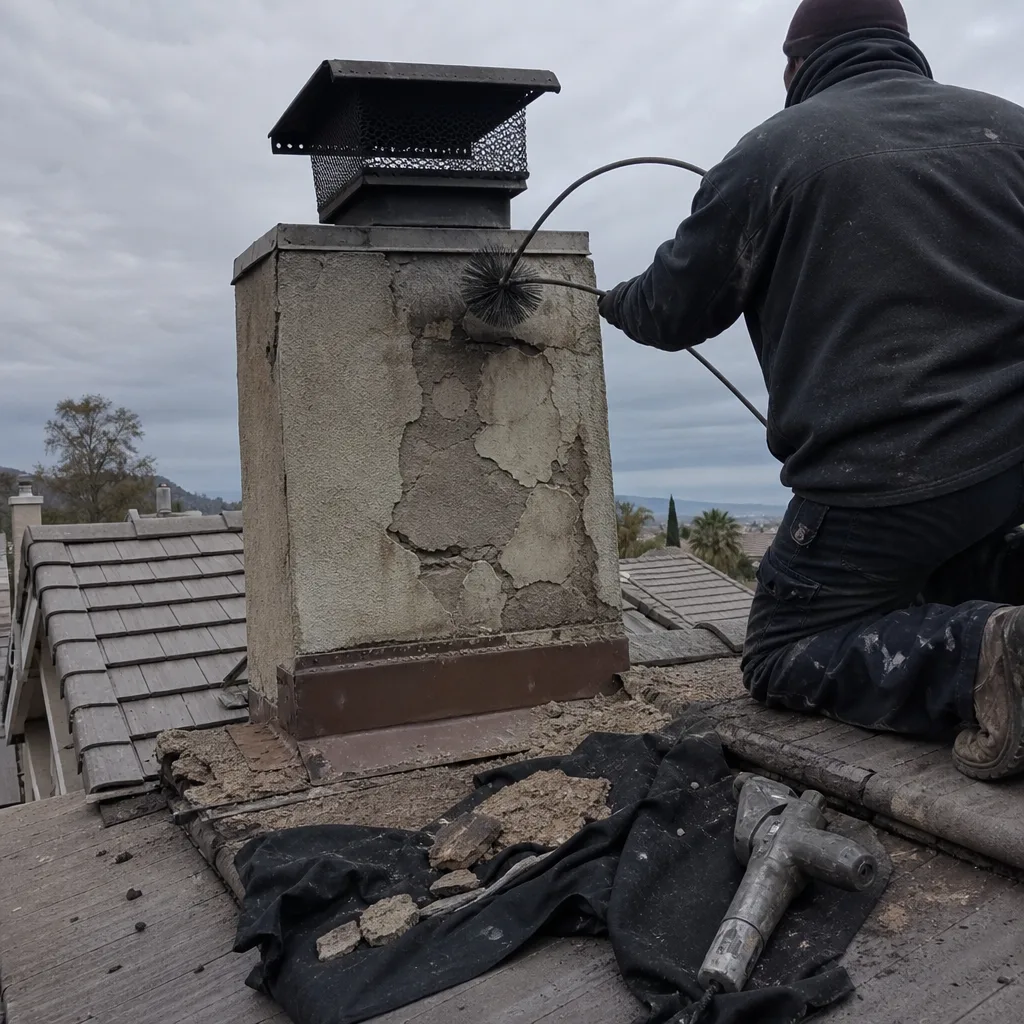 Before
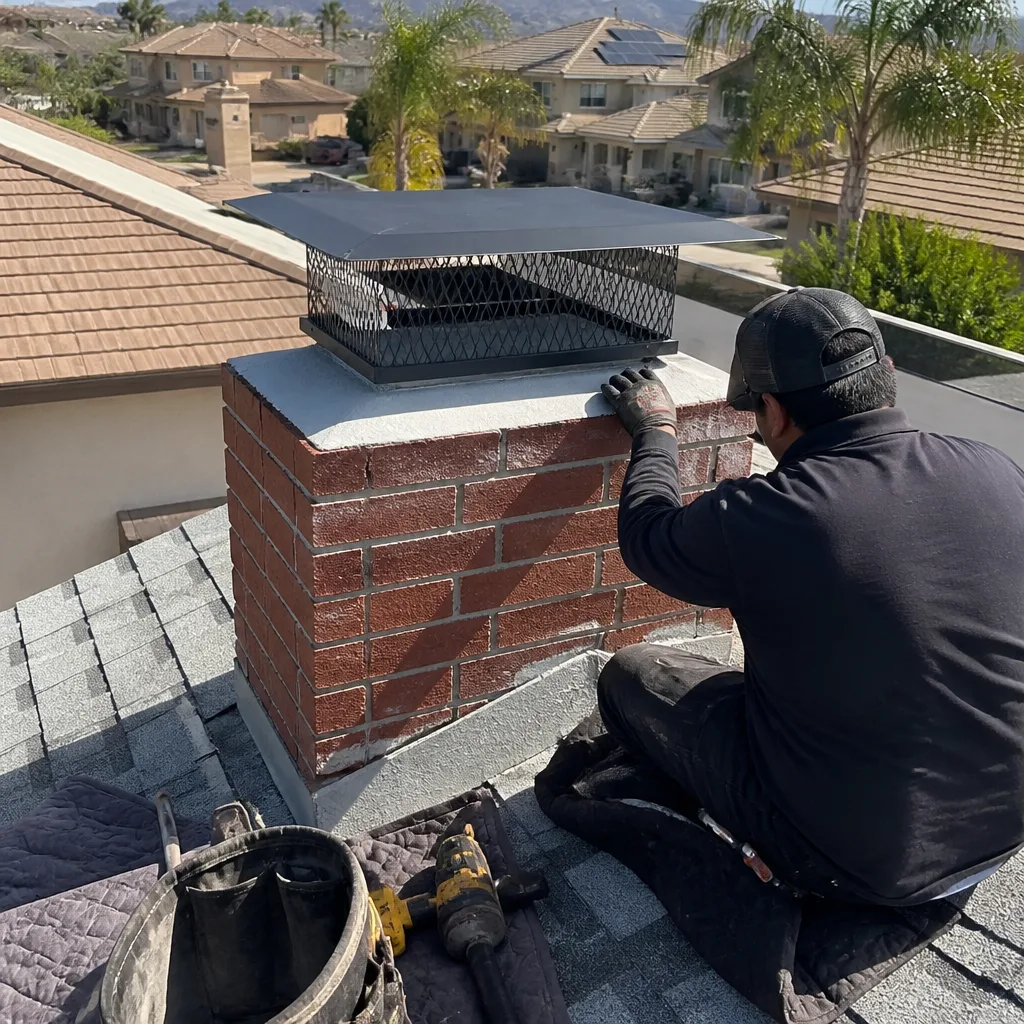 After
 Before
 After
 Before
 After