Last updated October 30, 2026
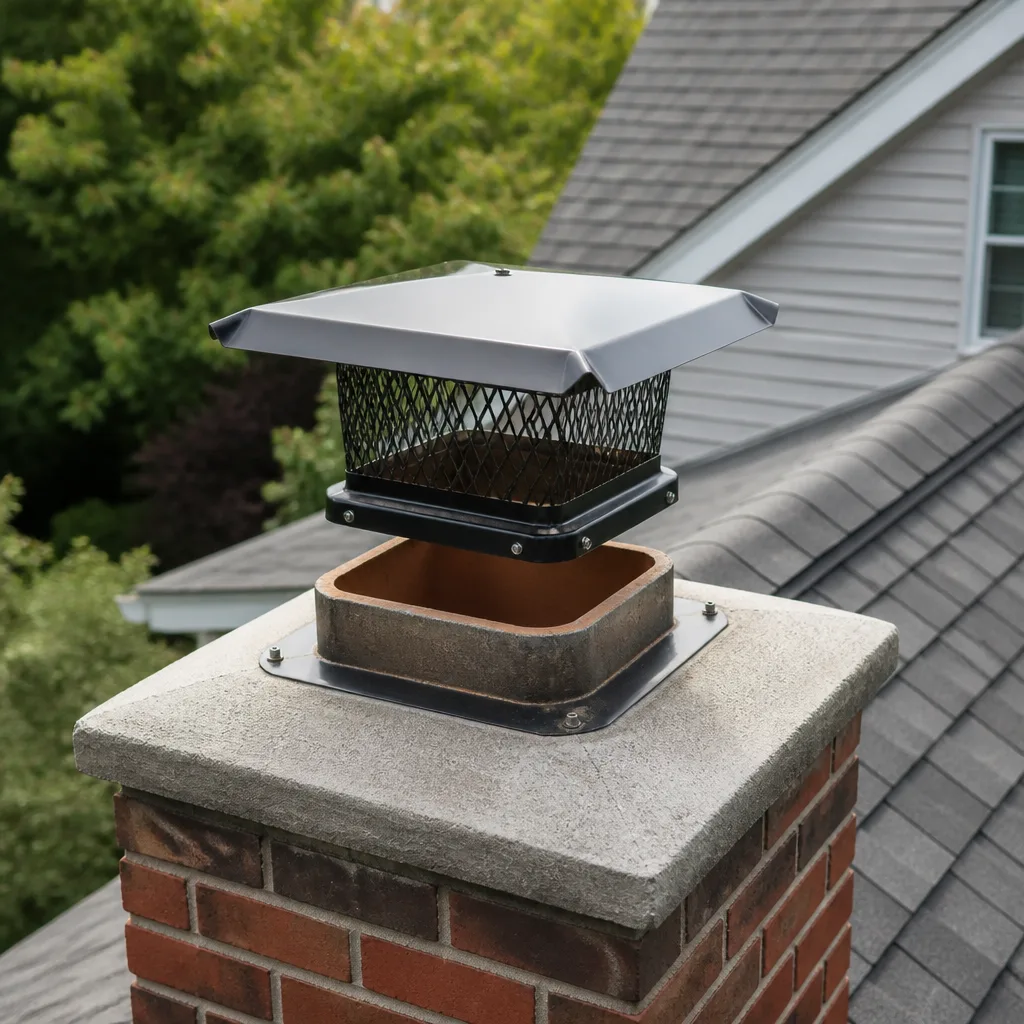 Sweep & inspection
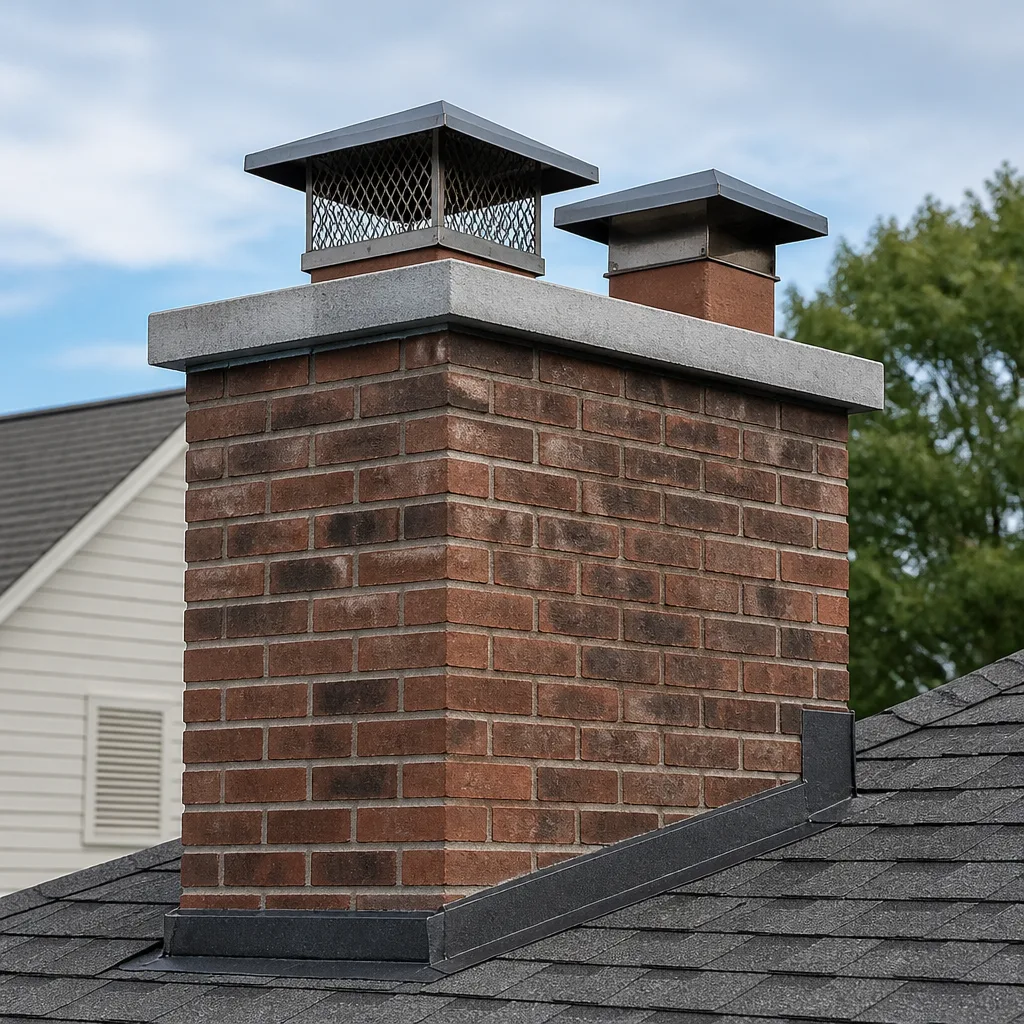 Caps & crowns
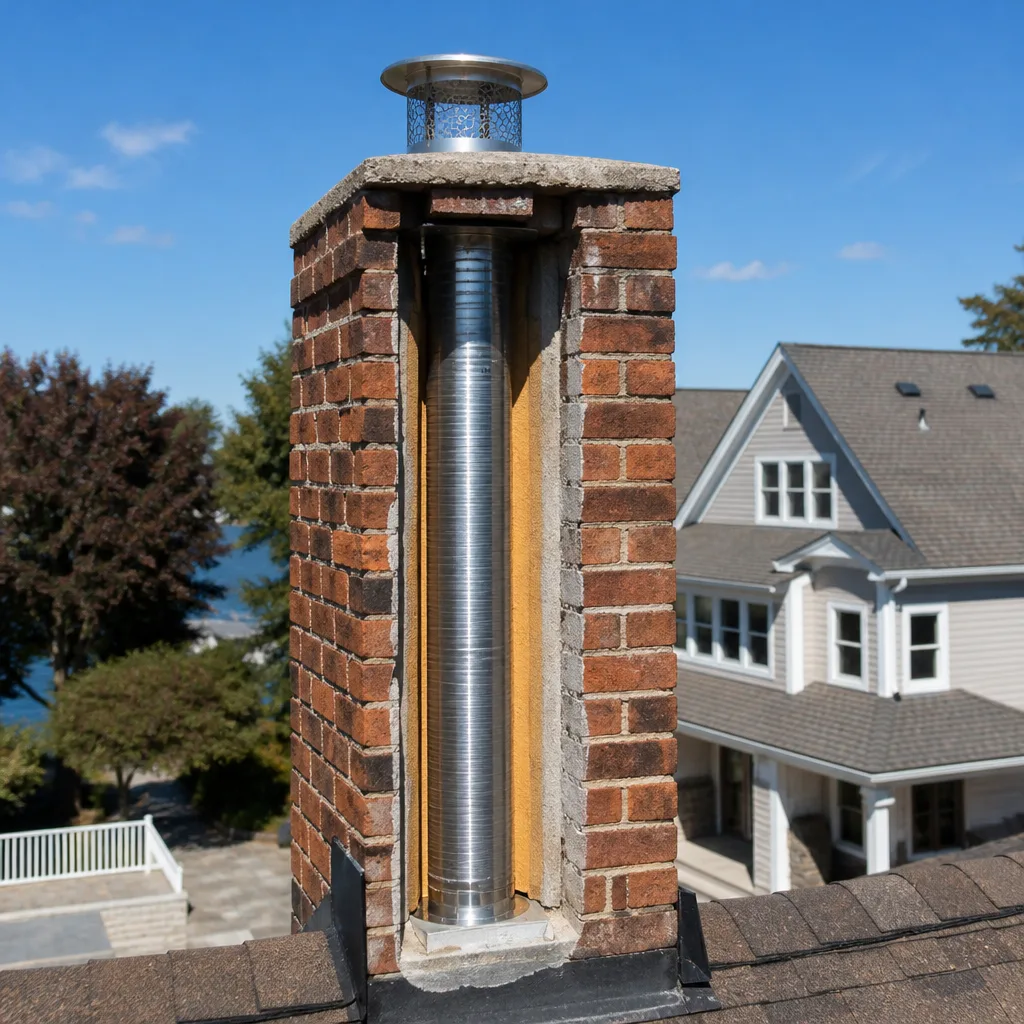 Flue relining
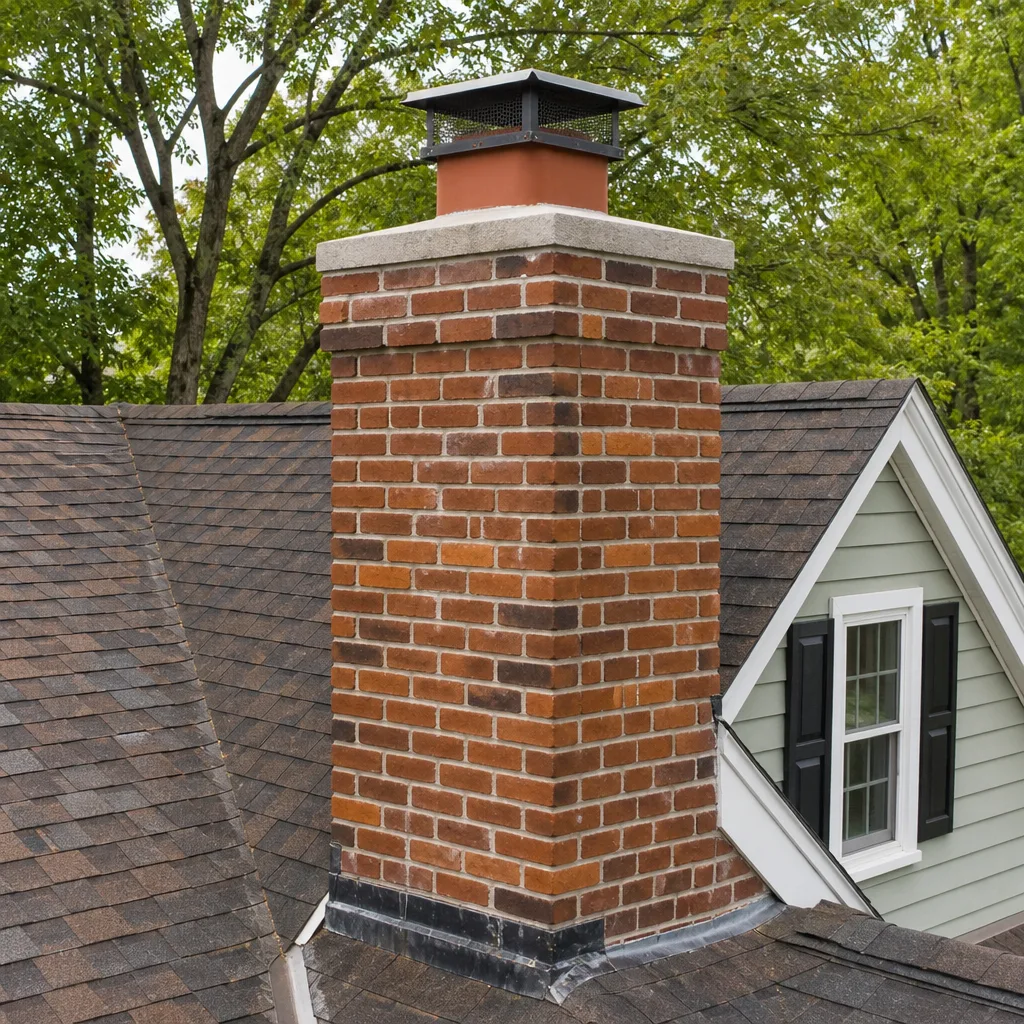 Masonry repair
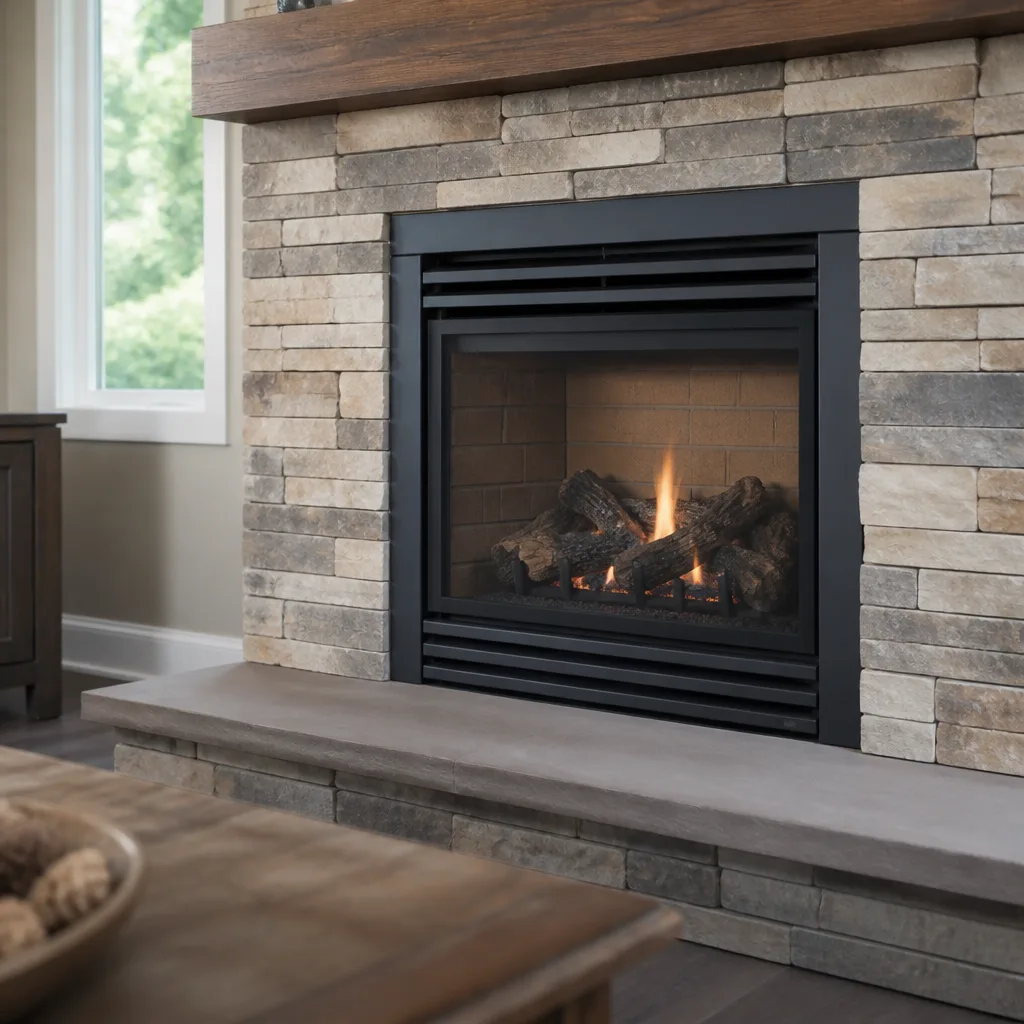 Gas fireplace service
Level 1 sweep and inspection to the NFPA 211 annual standard - flue, crown, cap, and flashing checked and photographed
Chimney sweep logs do not sweep chimneys. They loosen some creosote - which then falls where a brush and vacuum still have to collect it.
Choosing the Right Chimney Cleaning Brand: A Buyer’s Guide for Corona
Most Corona homeowners assume a chimney sweep is a chimney sweep. The van pulls up, the brushes come out, and the fireplace works better. But the products that go onto your flue liner, crown, and smoke chamber vary wildly between what a professional contractor uses and what sits on a big-box shelf. Rutland, ChimneySaver, and Saver Systems products are stocked at contractor supply houses for a reason: they’re formulated to trade specs, not home-improvement-store shelf life. If your contractor can’t name the products they’re applying to your crown or liner, that’s worth asking about. This guide breaks down what separates contractor-grade chimney products from retail substitutes, how to read an estimate that uses only generic descriptions, and why product choice determines whether a repair carries any meaningful warranty. For more background, see our The Complete Guide to Chimney Cleaning in Corona. By the end, you’ll know exactly what questions to ask before anyone touches your chimney in Corona.
Quick Answer
The right chimney cleaning brand for a Corona home is whichever contractor-grade product line matches your specific flue type and condition. Saver Systems and Rutland dominate professional crown sealants and creosote treatments, while HeatShield and DuraFlex are the standards for flue liner repair and replacement. A contractor who names products explicitly, explains why each one fits your chimney’s material, and backs the work with manufacturer specs is operating at a different level than one who writes “sealant” on an estimate and moves on. If you’re weighing whether to tackle maintenance yourself, our DIY vs Professional Chimney Cleaning: The Corona Homeowner’s Decision Guide covers what actually requires a pro.
Our Corona Chimney Sweep home page walks through the full service scope we offer, from sweeps to structural repair to dryer vent fire prevention.
Styles & brands we work with
Table of Contents
- Why Product Choice Matters More Than Reviews
- Contractor-Grade vs. Retail-Grade: What’s Actually Different
- How These Products Actually Work
- How to Read an Estimate That Only Says “Sealant”
- The Warranty Question: Why Manufacturer Specs Matter
- Corona-Specific Considerations: Climate, Code, and Common Findings
- How to Choose a Provider in Corona
- Common Mistakes to Avoid
- When to Call a Professional
- Frequently Asked Questions
Why Product Choice Matters More Than Reviews
Here’s a counterintuitive observation from years of working on Corona chimneys: a contractor’s Yelp rating tells you less about their technical competence than their ability to name the product lines they use. Reviews measure punctuality and politeness. Product selection measures training, supply chain, and whether the person on your roof understands the difference between a clay tile flue and a stainless steel liner.
We’ve watched homeowners choose providers based on five-star reviews, only to discover the work was done with retail-grade caulk that failed within two seasons. Corona’s climate accelerates these failures. Summer temperatures routinely exceed 100 degrees, and the thermal cycling between hot days and cool nights stresses every joint, seam, and sealant on your chimney. A product formulated for a mild coastal climate will not hold up the same way in the Inland Empire.
Contractor-supply product lines exist for a reason. Saver Systems, Rutland, and HeatShield are not marketing gimmicks. They’re formulations developed with specific application tolerances, cure times, and temperature ratings. When a contractor uses these products, they’re signaling that they buy from the same supply houses that serve masonry and chimney professionals across Southern California. When they use whatever’s cheapest at the home center, they’re signaling something else entirely.
This matters for one simple reason: the product determines whether the repair lasts. A crown sealant that costs $12 less per tube but cracks after one Corona summer is not a bargain. It’s a second service call waiting to happen. And if the original contractor won’t stand behind the work because the product failed, you’re paying twice.
Contractor-Grade vs. Retail-Grade: What’s Actually Different
The core difference between contractor-supply products and retail-grade alternatives comes down to three things: formulation, application requirements, and accountability.
Formulation
Contractor-grade crown sealants and creosote treatments are formulated for specific chimney conditions. A professional crown coat from Saver Systems is designed to bond to masonry, flex with thermal expansion, and resist UV degradation. A retail caulk labeled “chimney repair” is often a general-purpose sealant repackaged for the home improvement aisle. It might work for a season. It will not hold up to five years of Corona sun and heat cycles.
Creosote treatments follow the same pattern. Rutland’s professional line uses chemical catalysts that break down creosote’s molecular structure, making it easier to remove during the next sweep. Retail products often rely on surface-level coatings that look good but do little to address the actual buildup inside the flue.
Application Requirements
Professional products come with specific application parameters: minimum temperature, maximum humidity, surface preparation standards, and cure times. A contractor who uses these products knows that applying a crown sealant when the temperature drops below 50 degrees will compromise the bond. A contractor using retail products may not even be aware these requirements exist, because the retail packaging often omits them.
In Corona, this matters during winter months. Morning temperatures can drop into the 40s even when daytime highs reach the 70s. A professional knows to schedule crown work for the warmest part of the day. A less experienced crew might not.
Accountability
Here’s the key distinction: contractor-grade products have manufacturer support. If a HeatShield resurfacing job fails, the manufacturer has a process for evaluating the application. If a retail caulk fails, you’re on your own. The product sits on a shelf with a generic warranty that’s nearly impossible to enforce, because the manufacturer can always claim improper application.
This is why product selection is a training signal. Contractors who use professional product lines have invested in learning the application specs. They buy from supply houses that require contractor accounts. They’re accountable to manufacturers who will pull distribution rights if misuse becomes a pattern.
How These Products Actually Work
To evaluate whether a product is appropriate for your chimney, you need to understand what it’s doing chemically. Here’s the breakdown by application type.
Crown Coat Sealants
Your chimney’s mortar crown is the concrete slab at the top that sheds water away from the flue. When it cracks, water seeps into the masonry and causes progressive deterioration. A crown coat sealant is a flexible, waterproof membrane that bonds to the existing crown surface. Quality products like Saver Systems’ CrownCoat remain flexible after curing, which means they can absorb the thermal expansion and contraction that cracks rigid sealants.
The application matters as much as the product. A proper crown coat job starts with surface preparation: cleaning, crack filling, and sometimes a bonding primer. Skipping these steps means the sealant fails prematurely, regardless of product quality.
Flue Liner Repair Products
HeatShield resurfacing works differently. When a clay tile flue liner develops hairline cracks or deteriorated mortar joints, the traditional fix was a full liner replacement, often requiring demolition and reconstruction. HeatShield uses a cerfractory material, a ceramic-based compound that’s applied to the flue interior and restores a smooth, insulated surface. It can’t fix structural collapse or severe spalling, but for qualifying chimneys, it eliminates the need for a full relining job.
We’ve used HeatShield on Corona homes where the alternative was a $6,000-plus full liner replacement. When conditions qualify, it’s a legitimate repair option that sweep-only companies simply can’t offer, because they don’t carry the training or equipment.
Creosote Treatments
Creosote is the tar-like residue that condenses inside your flue when wood smoke cools. Stage one is flaky and easily brushed. Stage two is crusty and requires mechanical removal. Stage three is glazed, hard, and a serious fire hazard. Professional creosote treatments work in two ways: they either chemically alter the creosote to make it easier to remove, or they act as a preventative coating that slows future accumulation.
Rutland’s professional line, for example, includes products with manganese-based catalysts that break down creosote’s carbon bonds. This isn’t a replacement for sweeping, but it makes the next sweep more effective and extends the interval between necessary cleanings.
How to Read an Estimate That Only Says “Sealant”
Here’s a scenario we hear about regularly from Corona homeowners. They get three estimates for chimney work. One estimate lists specific products: “Saver Systems CrownCoat applied to prepared crown surface, 2 coats.” Another says: “Seal crown with waterproof sealant.” Same job, same price. Different levels of transparency.
The estimate that names products is telling you exactly what you’re paying for. The estimate that says “sealant” is asking you to trust that the contractor knows what they’re doing. Here’s how to evaluate what you’re looking at.
- Ask for product names. If a contractor can’t or won’t tell you which crown coat or creosote treatment they’re using, that’s a red flag. Professional contractors are specific because the product choice affects the outcome.
- Compare products against the flue type. Clay tile flues need different treatment than stainless steel liners. A cast-in-place system requires different products than a flexible liner retrofit. If the estimate doesn’t acknowledge your chimney’s material, the contractor may be applying a one-size-fits-all approach.
- Look for application detail. An estimate that says “crown coat” without mentioning surface prep is incomplete. The prep work determines whether the product bonds correctly.
- Ask about drying and curing. Professional products have cure times. If a contractor claims they can apply a crown sealant and have it fully cured in an hour, they’re either using a retail product or they don’t understand the chemistry.
- Check the warranty language. Does the estimate mention manufacturer warranty coverage? If not, ask. A contractor confident in their product selection will tell you what the manufacturer stands behind.
Here’s something else we see in Corona: estimates that bundle “chimney cleaning and treatment” into a single line item without specifying the treatment. Treatment for what? Creosote breakdown? Crown protection? Waterproofing? If the estimate doesn’t say, the contractor may not know.
The Warranty Question: Why Manufacturer Specs Matter
When you pay for a chimney relining or resurfacing job, the warranty is only as good as the manufacturer’s confidence in the application. Here’s how that works in practice.
HeatShield provides a warranty on resurfacing work, but it’s contingent on the contractor following the manufacturer’s installation protocol exactly: proper cleaning, correct cerfractory mixing, specified application thickness, and adequate cure time. A contractor who skips steps voids the warranty, even if the homeowner never knows until the work fails.
DuraFlex flexible liner systems work the same way. These stainless steel liners are engineered to specific tolerances for code-compliant venting. The manufacturer’s warranty covers material defects, but only when the liner is installed according to spec: correct sizing, proper termination, and compatible connections. A contractor who uses a DuraFlex liner but installs it incorrectly has voided the warranty, and the homeowner is left holding the cost of a failed system.
This is why product choice is a proxy for competence. A contractor who uses professional-grade products has invested in the training to install them correctly. The product and the installation method go together. Asking which products a contractor uses is really asking whether they’re qualified to do the work.
Our Chimney Repair in Corona page details how we handle liner work, masonry, caps, and dampers, and why we name the products we use on every estimate.
Corona-Specific Considerations: Climate, Code, and Common Findings
Corona’s climate creates specific chimney conditions that affect product selection. Here’s what we see on a regular basis.
Thermal Cycling Damage
The Inland Empire’s temperature swings are brutal on masonry. A chimney that hits 100 degrees during the day and drops to 50 degrees at night expands and contracts daily. Over years, this thermal cycling cracks mortar crowns and hairline-fractures clay tile liners. Crown sealants need to be flexible enough to absorb this movement. Rigid products fail quickly here.
Sun Exposure
Corona gets more than 270 sunny days per year. UV radiation breaks down sealants that weren’t formulated for prolonged sun exposure. This is another reason contractor-grade products matter: they’re tested for UV resistance in ways retail products often aren’t.
Common Findings in Corona Chimneys
The housing stock in Corona spans several decades. Older homes in neighborhoods near downtown often have original clay tile liners that are now 40 to 60 years old, with deteriorated mortar joints and visible cracking. Newer construction in the master-planned communities south of the 91 often has prefabricated chimney systems that require different maintenance approaches. A chimney sweep who treats both the same way is doing someone a disservice.
We also see a lot of chimneys that were rarely used until recent years, when homeowners started burning firewood more regularly to offset heating costs. A flue that sat dormant for a decade accumulates dust, debris, and sometimes animal nesting. The first sweep after a long dormant period needs to be thorough, and the products used afterward need to address whatever condition that dormant period created.
Our Chimney Sweep in Corona service page covers the full scope of what a proper sweep involves and why it’s not a quick brush-through.
How to Choose a Provider in Corona
If you’re evaluating chimney companies in Corona, here’s a step-by-step process that will separate the professionals from the sweep-only crews. For a deeper walkthrough, read The Complete Chimney Sweep Guide for Corona Homeowners.
- Ask which product lines they use. A professional contractor will name specific brands like Saver Systems, Rutland, HeatShield, DuraFlex, Gelco, Copperfield, Olympia Chimney, or Famco. These are the lines stocked at contractor supply houses. If they hesitate, that’s your answer.
- Ask about repair capability. Many chimney companies clean and then refer repairs to someone else. That handoff creates a gap: you wait for a second company, get a second estimate, and hope the original diagnosis was accurate. A company that repairs what it finds eliminates that gap. Ask directly: “If you find a cracked liner, can you fix it, or do you refer it out?”
- Ask about dryer vent cleaning. This might seem unrelated, but it’s actually a strong signal. Clogged dryer vents are a leading cause of residential structure fires, and the same technicians trained in combustion venting understand the fire-safety principles. A company that treats dryer vents as an afterthought is probably not thinking comprehensively about fire prevention either.
- Ask for a camera inspection. A proper chimney service includes a camera inspection of the flue interior. Without it, the contractor is working blind. Any professional will show you the footage and explain what they found.
- Get specifics on the estimate. Product names, application details, and warranty terms. If the estimate is vague, ask for clarification. The answer will tell you what you need to know.
We repair what we find. That’s the core difference between us and a sweep-only crew. When we identify a cracked flue liner, a deteriorated crown, or a damper that won’t seal, we have the materials and training to fix it without handing you off to a third party. The Dryer Vent Cleaning in Corona page explains why we put vent cleaning on equal footing with chimney work: a clogged dryer vent is a fire waiting to happen.
Common Mistakes to Avoid
- Choosing the lowest bid without comparing product lines. A $99 sweep that uses retail-grade products may cost more in the long run than a $200 sweep that applies professional-grade treatments. The product determines the outcome.
- Assuming all crown sealants are the same. They’re not. A flexible, contractor-grade crown coat from Saver Systems will outlast a rigid retail caulk by years, especially in Corona’s thermal cycling climate.
- Hiring a sweep-only company when you know the chimney has structural issues. If you’ve seen water stains on the ceiling or crumbling mortar on the exterior, you need a company that can repair, not just clean. Hiring a sweep and then waiting for a referral wastes time and money.
- Accepting an estimate that says “sealant” without a product name. Generic descriptions hide the actual product being used. Ask for specifics. If the contractor won’t provide them, walk away.
- Skipping the camera inspection. A visual-only inspection misses hairline cracks and early-stage liner deterioration. Camera inspection is the standard for professional chimney service, and any contractor who skips it is cutting corners.
- Treating dryer vent cleaning as optional. Lint buildup in dryer vents causes thousands of residential fires annually. The same company should handle both chimney and dryer vent fire hazards. One provider, every venting hazard.
- Assuming a new home doesn’t need chimney service. New construction chimneys need inspection too. Construction debris, improper installation, and settling can create problems that only surface after the first season of use.
When to Call a Professional
Some chimney problems are visible from the ground. Others aren’t. If you notice any of the following, it’s time to call a professional in Corona: smoke backing up into the room when you light a fire, a strong odor coming from the fireplace even when it’s not in use, visible cracks in the exterior masonry, water stains on the ceiling near the chimney, or flaking mortar on the crown. If it’s been more than a year since your last sweep, or you’ve recently purchased a home with an untested chimney, schedule an inspection before the first burn of the season. Corona Chimney Sweep offers free estimates in Corona, call (855) 382-6159.
Frequently Asked Questions
Contractor-grade products are formulated to professional specifications with specific application requirements for bonding, flexibility, and temperature tolerance. Retail-grade products are often general-purpose formulations repackaged for home improvement stores, with less stringent performance standards and shorter effective lifespans. In Corona’s climate, the difference shows up within one or two seasons.
Professional chimney contractors in Corona typically source from product lines like Saver Systems, Rutland, HeatShield, DuraFlex, Gelco, Copperfield, Olympia Chimney, and Famco. These brands are stocked at contractor supply houses and carry manufacturer specifications that support warranty coverage when installed correctly.
The appropriate repair product depends on your flue’s material and condition. Clay tile liners with hairline cracks or deteriorated mortar joints may qualify for HeatShield cerfractory resurfacing. Stainless steel liners with physical damage may require section replacement or full relining with a DuraFlex flexible system. A camera inspection determines which approach fits your chimney.
Yes. Manufacturer warranties for products like HeatShield and DuraFlex are contingent on correct application according to the manufacturer’s specifications. If the contractor skips steps or uses incompatible products, the warranty is void. This is why product choice and contractor training go together.
The National Fire Protection Association recommends annual inspection and cleaning as needed. Homes that burn wood regularly during Corona’s cooler months typically need sweeping each year. Gas fireplaces also need inspection for venting integrity and carbon monoxide safety. Our team can assess your usage patterns and recommend a schedule.
Because the products applied during and after a sweep affect long-term chimney health. A creosote treatment that chemically alters buildup makes the next sweep more effective. A crown sealant that flexes with thermal cycling prevents water intrusion that leads to expensive masonry repairs. Product choice is the difference between maintenance that lasts and maintenance that needs repeating. Browse our more guides & resources for additional chimney maintenance advice.
The Bottom Line
The right chimney cleaning brand for a Corona home depends on the flue type, the condition of the masonry, and the products your contractor chooses. Contractor-grade lines like Saver Systems, Rutland, HeatShield, and DuraFlex exist because chimney work requires precise chemistry and application. A contractor who names products explicitly, explains why each fits your chimney, and backs the work with manufacturer specs is operating at a professional level. One who writes “sealant” on an estimate and cannot name the product is not. Ask the questions. Get specific answers. And when you need a provider in Corona that sweeps, repairs, and handles dryer vent fire hazards under one roof, call (855) 382-6159 for a free estimate.
Written by the team at Corona Chimney Sweep, serving Corona since 2018.
See the difference
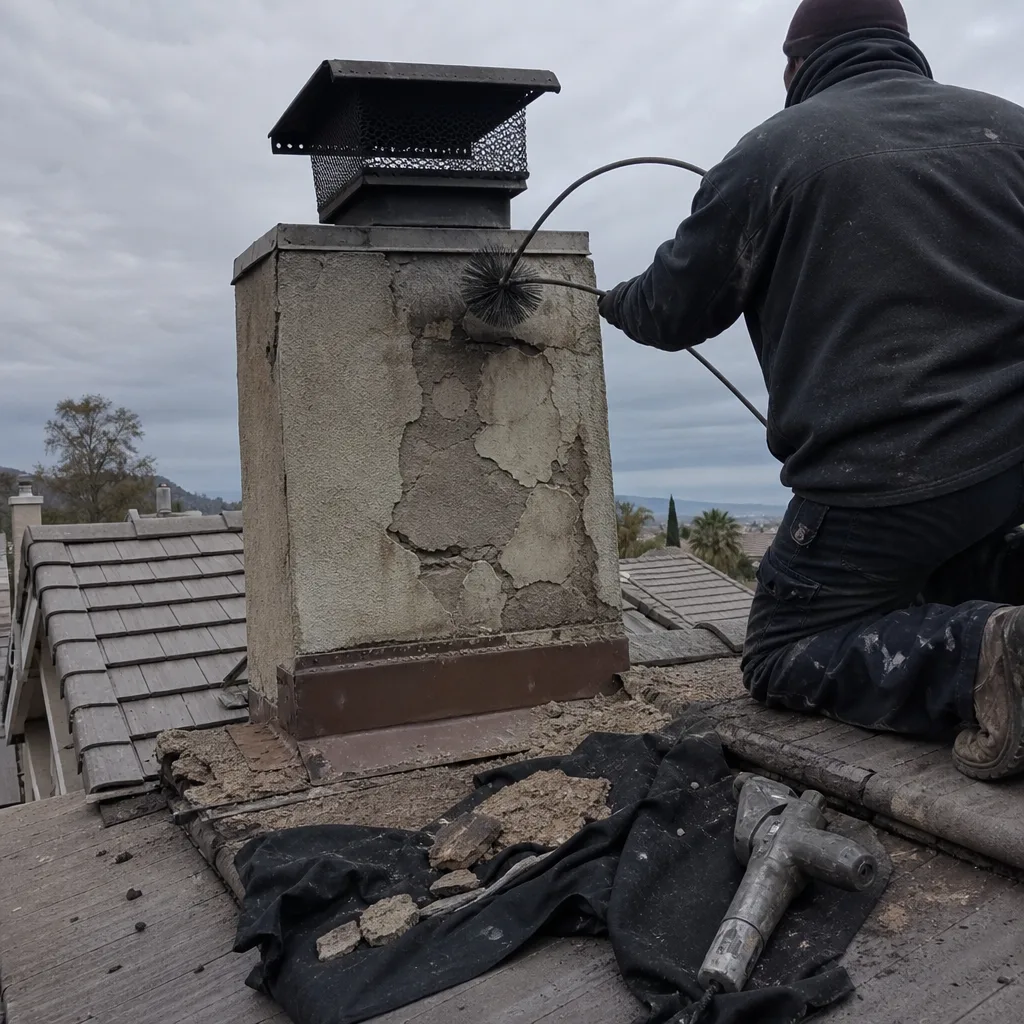 Before
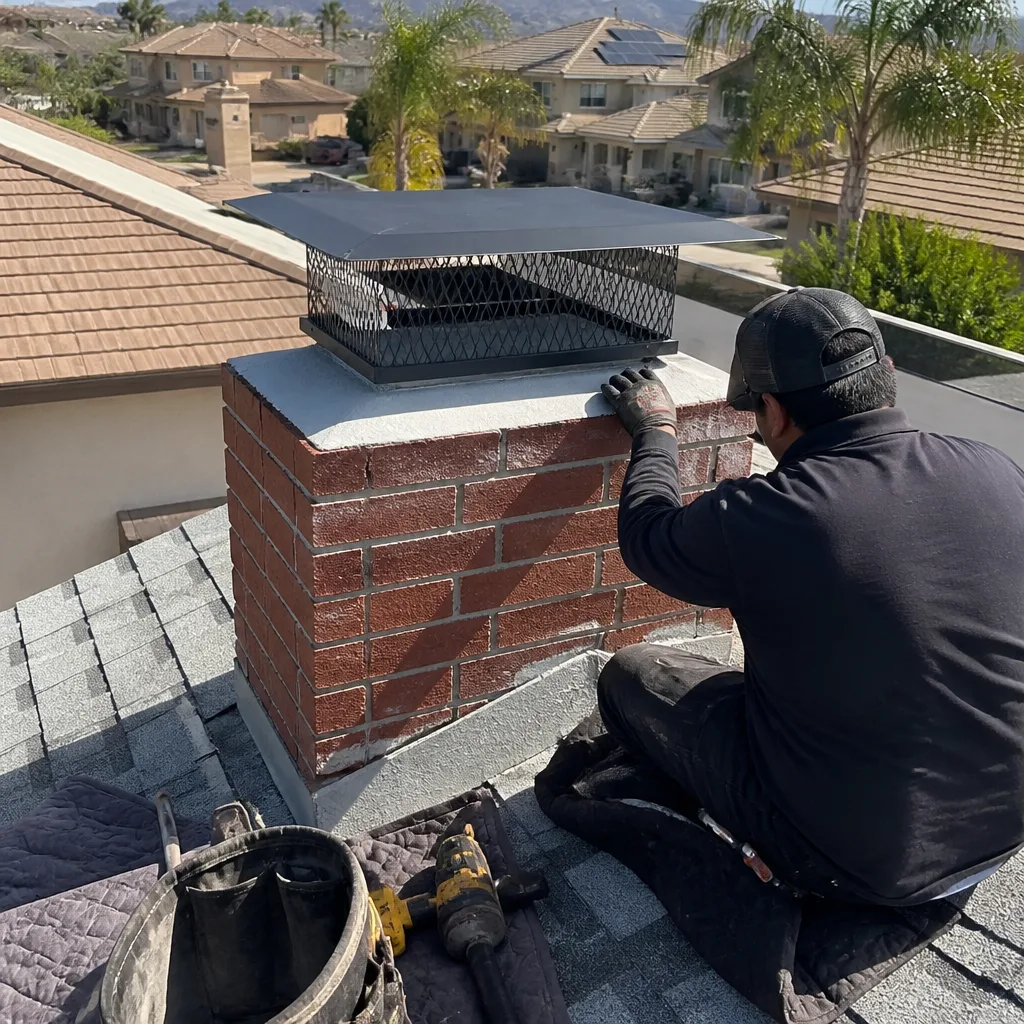 After
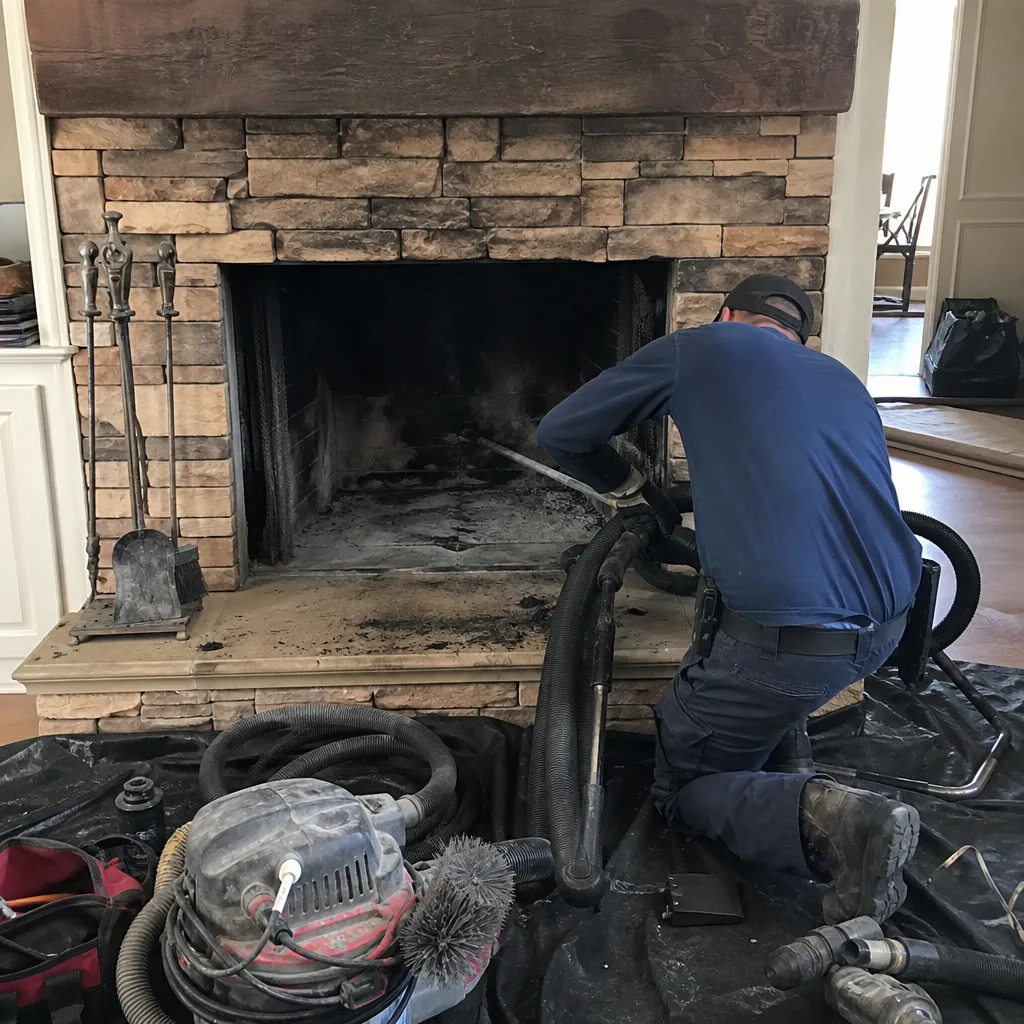 Before
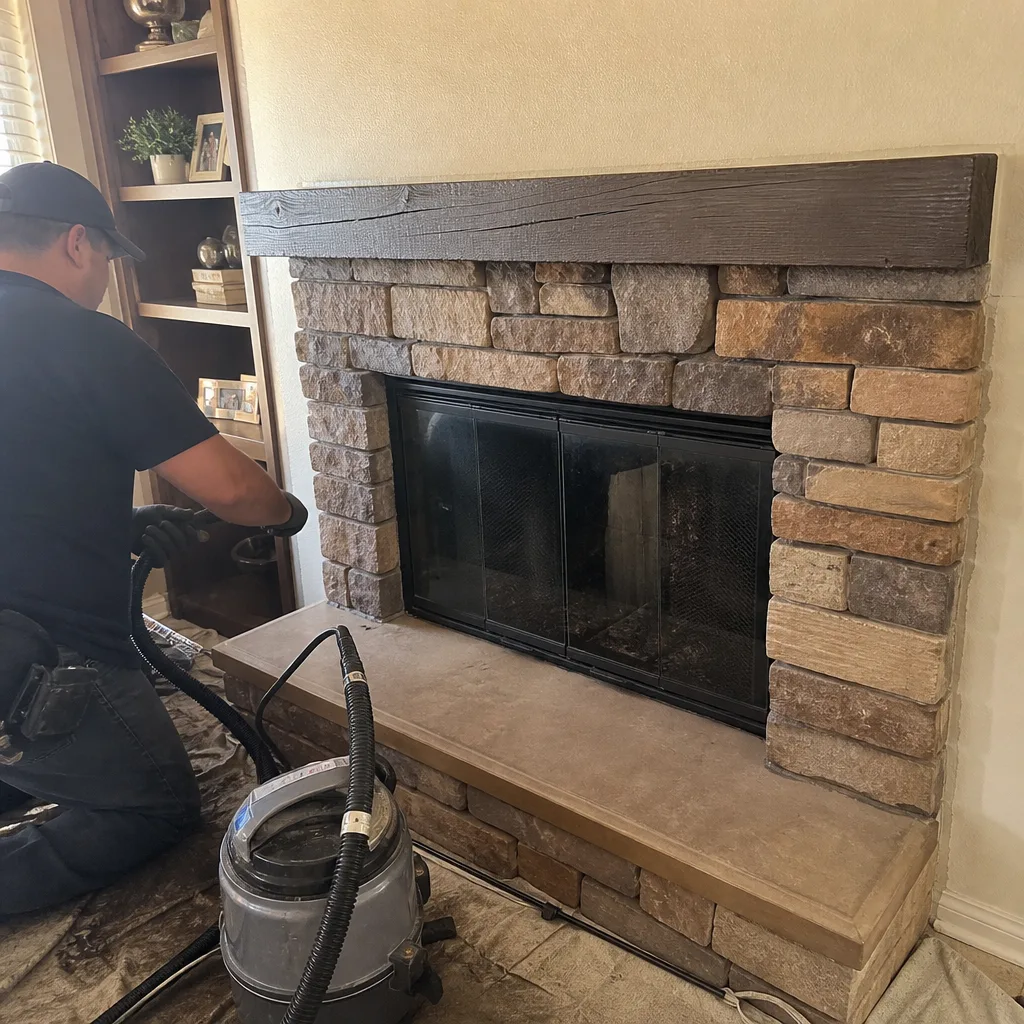 After
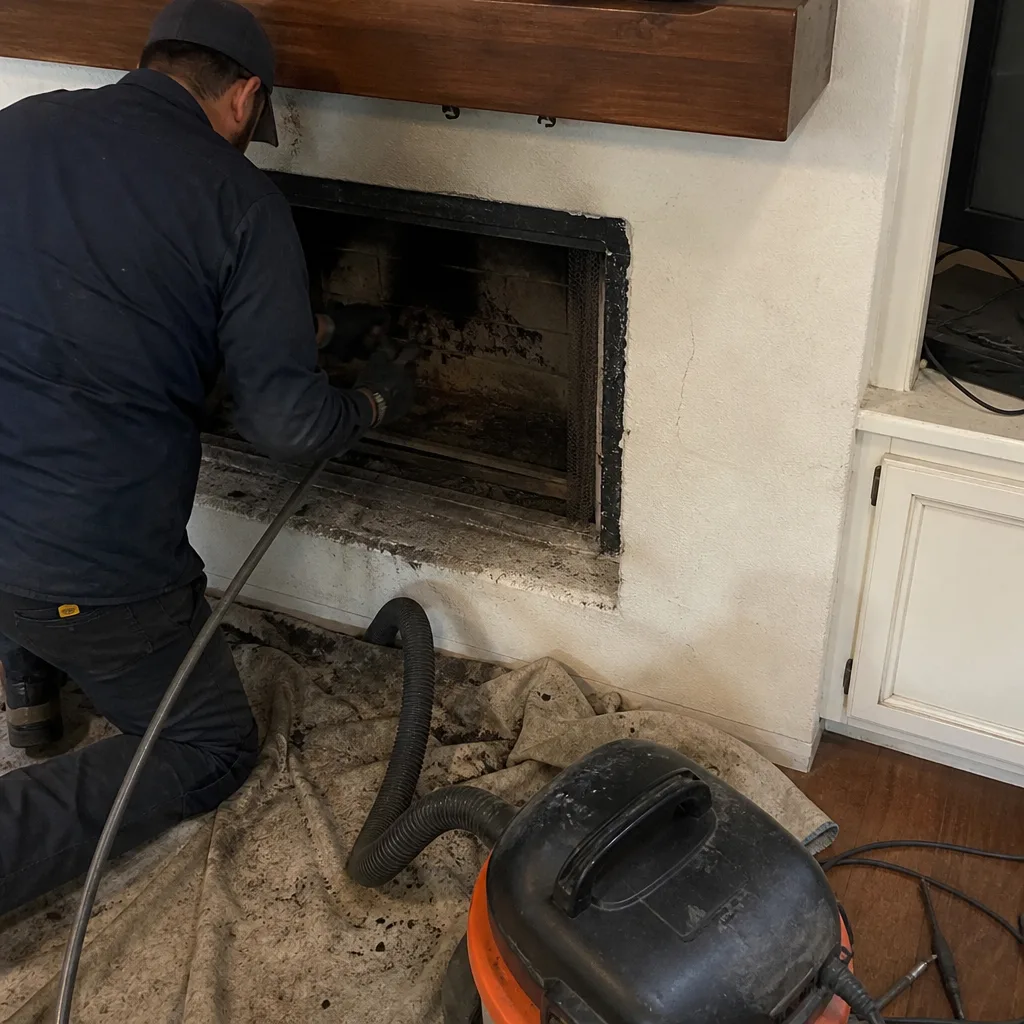 Before
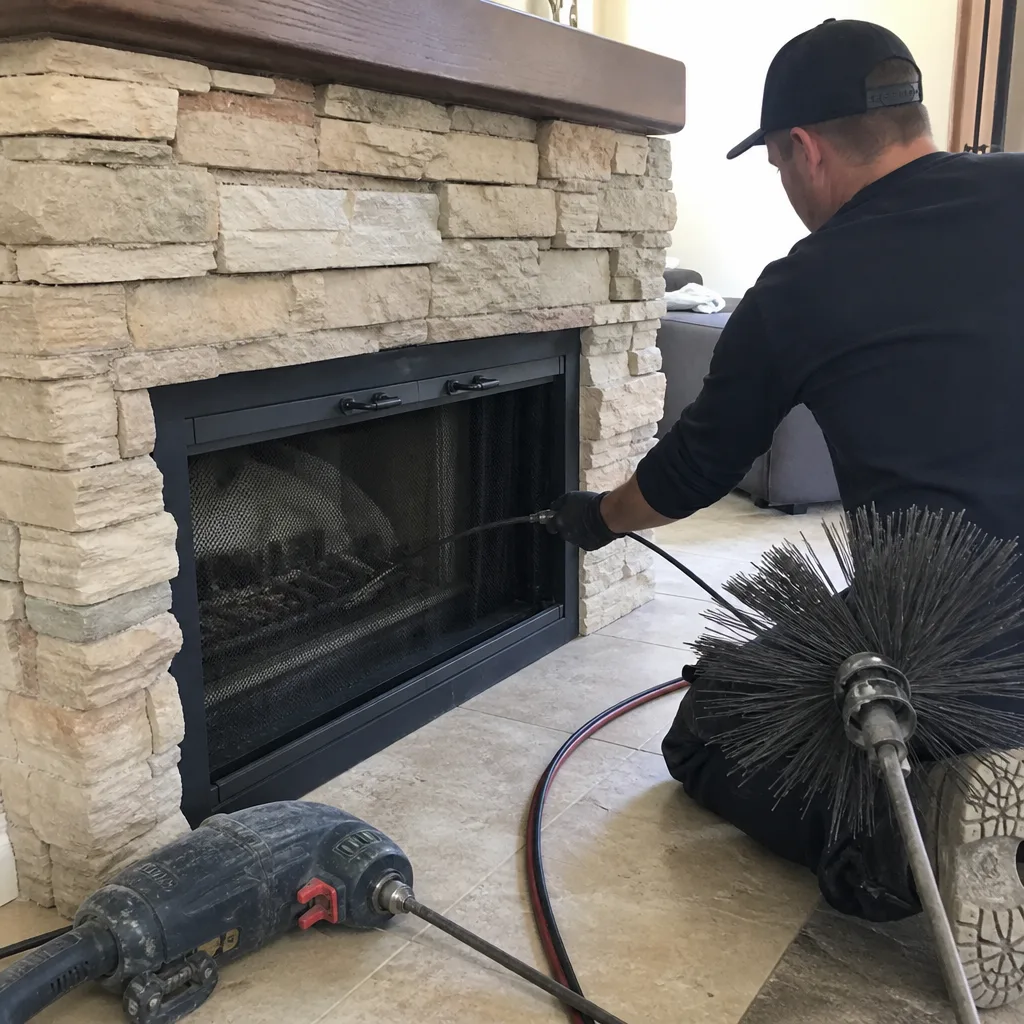 After