Last updated October 30, 2026
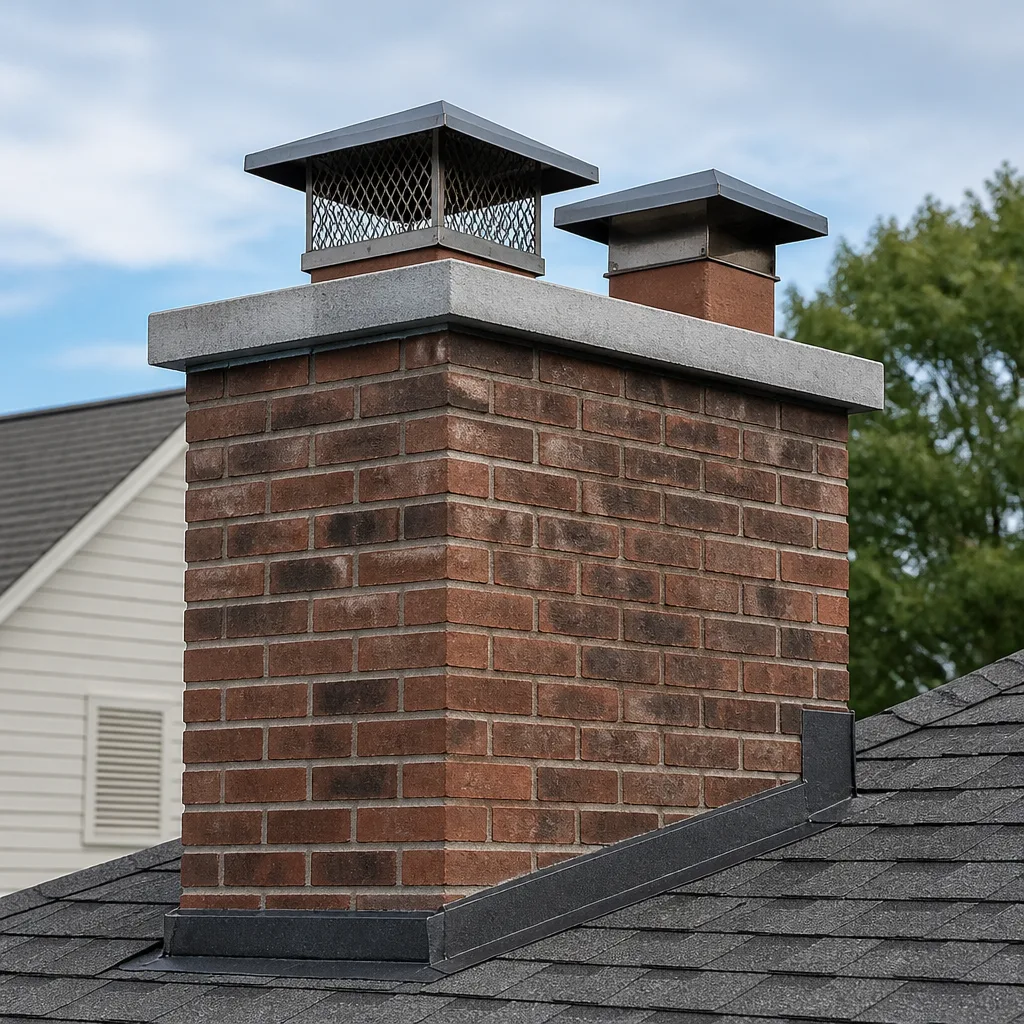
 Sweep & inspection
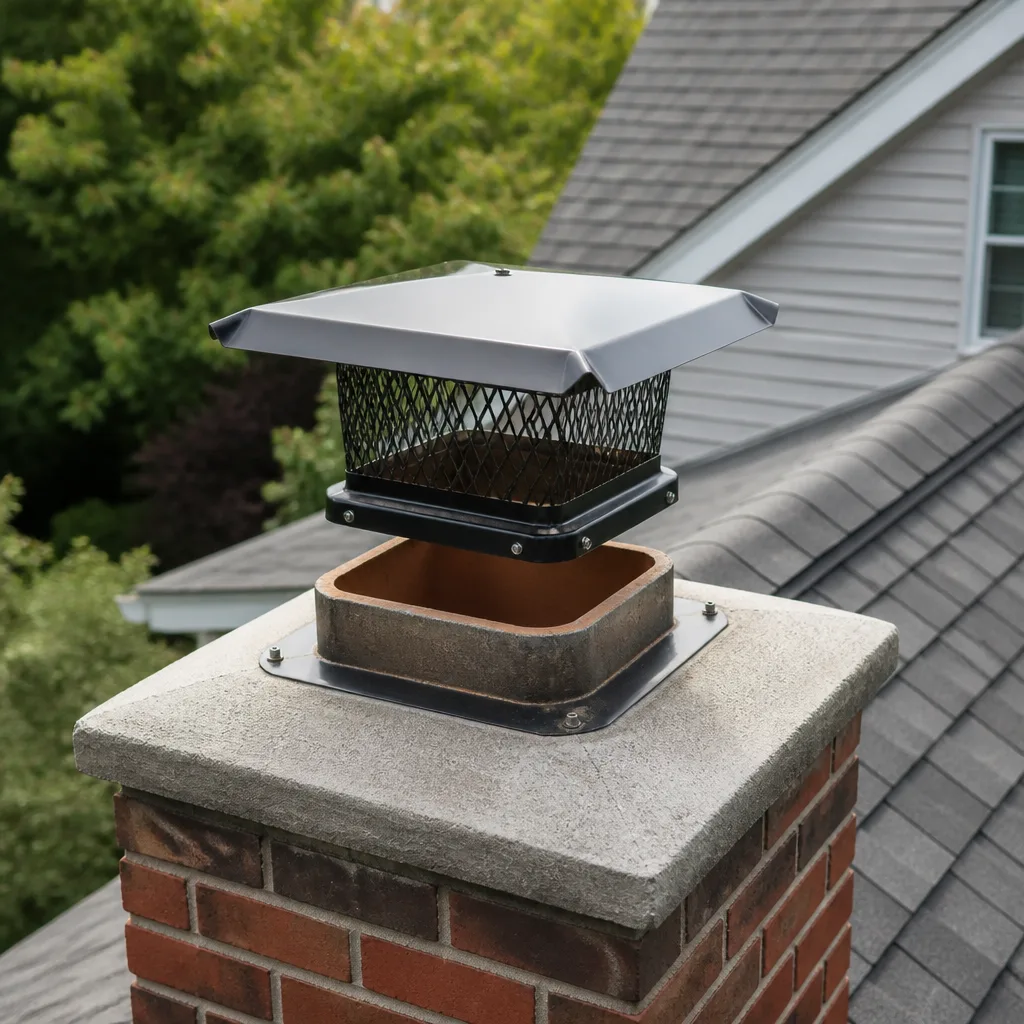
 Caps & crowns
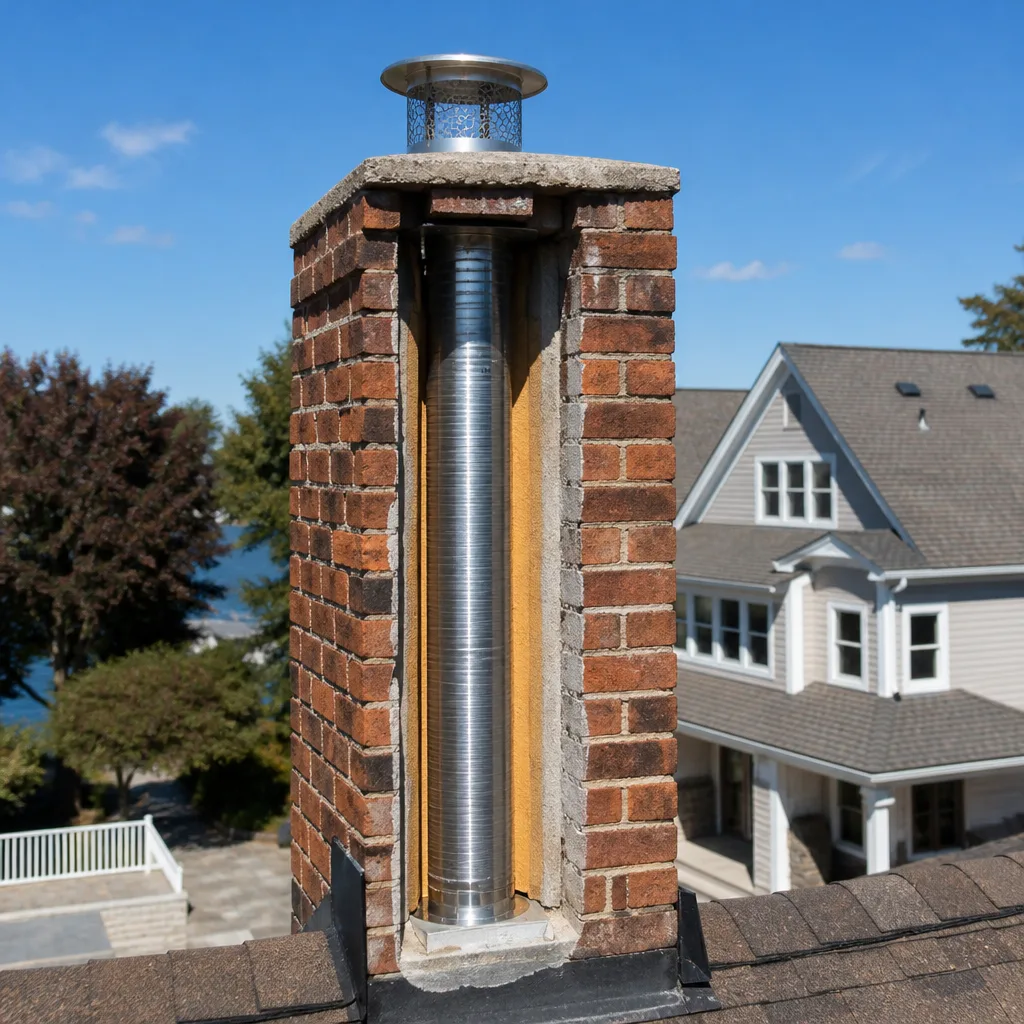 Flue relining
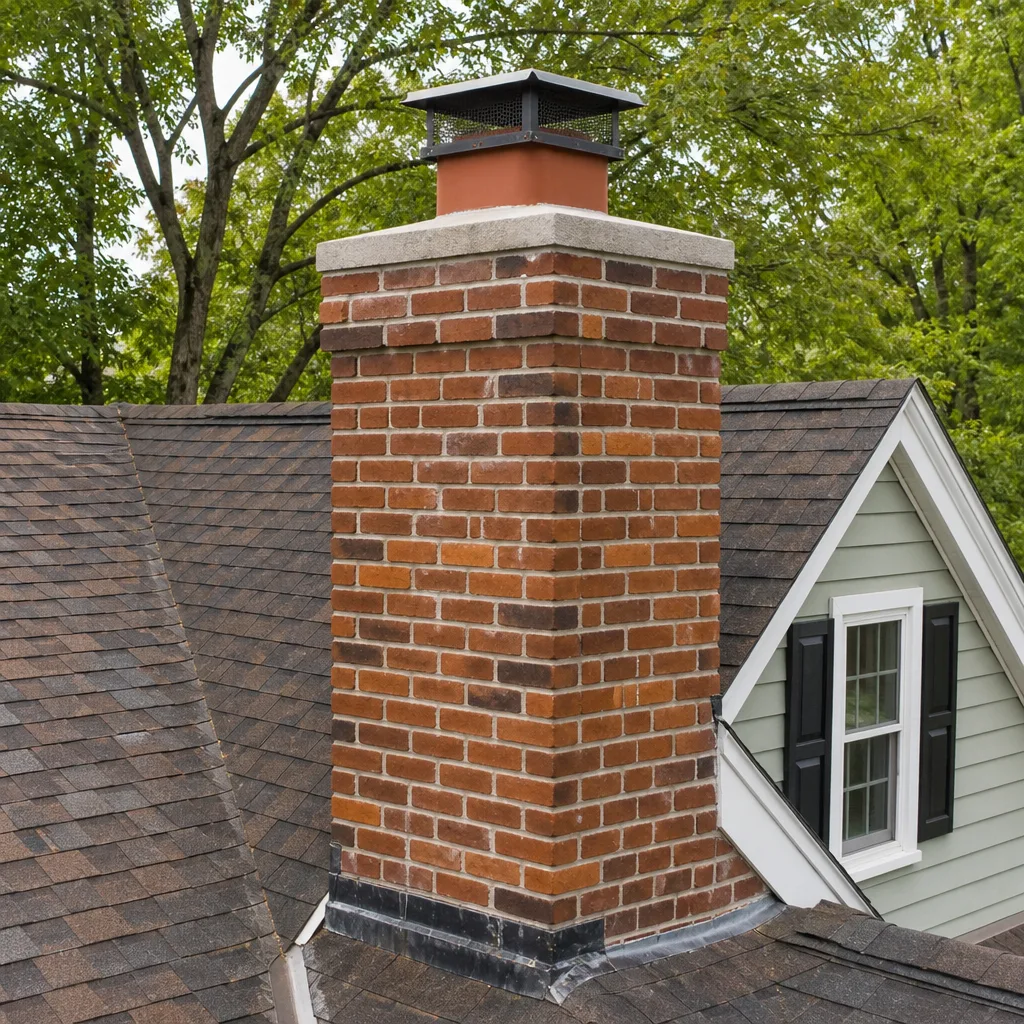 Masonry repair
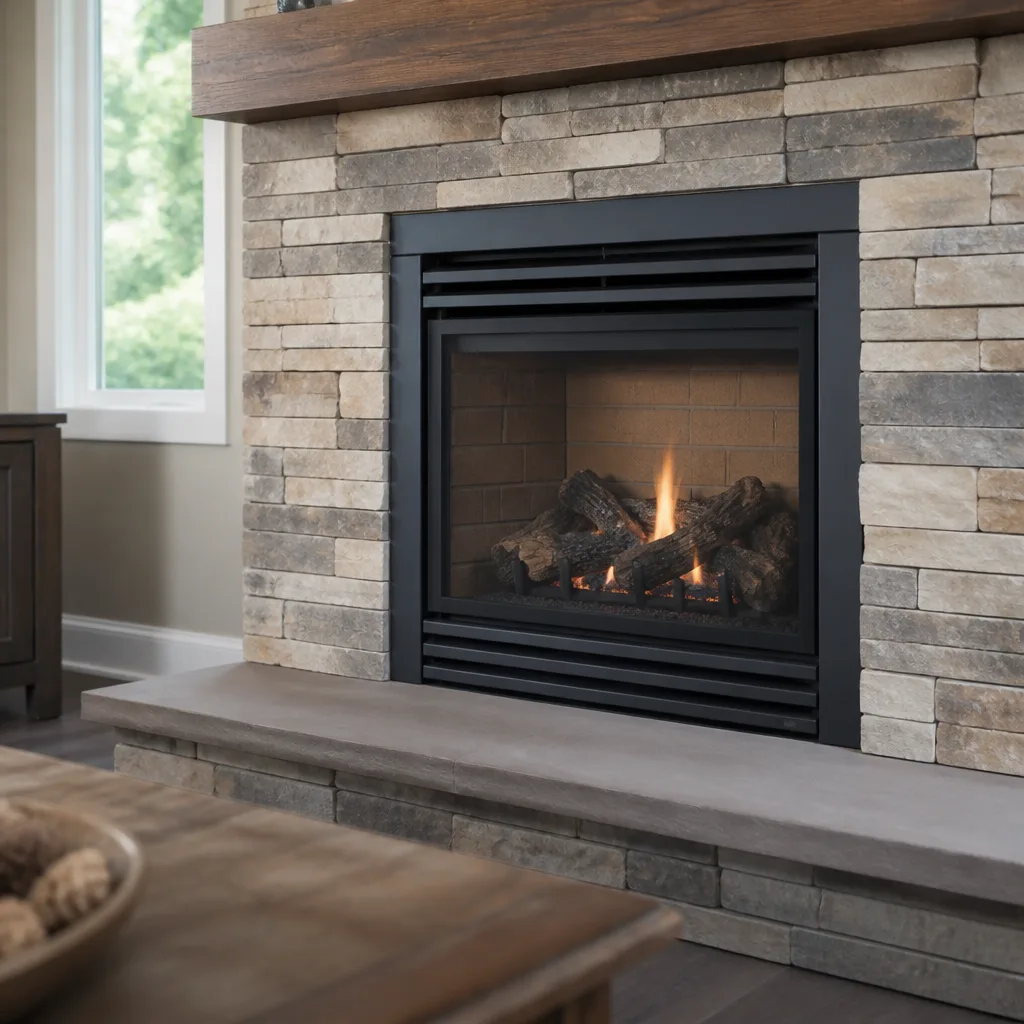 Gas fireplace service
Level 1 sweep and inspection to the NFPA 211 annual standard - flue, crown, cap, and flashing checked and photographed
Chimney sweep logs do not sweep chimneys. They loosen some creosote - which then falls where a brush and vacuum still have to collect it.
How to Hire a Chimney Cleaning Contractor in Corona: A Step-by-Step Guide
The average chimney cleaning in Corona costs between $169 and $360, but the real cost difference isn’t between a cheap crew and an expensive one. It’s between a sweep that leaves you with a clean flue and a contractor who notices the hairline crack in your mortar crown before the next Santa Ana wind season turns it into a $4,000 masonry repair. This guide walks through exactly how to vet a chimney contractor in Corona so you’re not paying twice for information a camera inspection would have caught the first time.
Styles & brands we work with
Quick Answer
To hire a chimney cleaning contractor in Corona, confirm they do more than sweep: ask whether they perform structural repair in-house, whether they use camera inspection as standard practice on every chimney service, and whether their written estimate itemizes methods and materials by product name, not just “cleaning” and “inspection.” Then verify their insurance coverage specifically includes roof access work in California, and get the scope of work in writing before anyone sets foot on your roofline.
Table of Contents
- The Real Problem: Scope Mismatch, Not Fraud
- The Certification Myth: What CSIA Doesn’t Tell You
- Seven Questions That Reveal Who You’re Actually Calling
- What a Legitimate Written Estimate Must Itemize
- How to Verify Insurance for Roof Access Work in California
- Red Flags Specific to Inland Empire Chimney Contractors
- Why HVAC Techs and Roofers Know the Better Chimney Crews
- Common Mistakes to Avoid
- When to Call a Professional
- Frequently Asked Questions
- The Bottom Line
The Real Problem: Scope Mismatch, Not Fraud
Most homeowners in Corona don’t get ripped off by chimney scammers. They get under-served by well-meaning sweep-only crews who aren’t equipped to see the structural problems hiding behind the soot. A sweep is a maintenance procedure. A chimney assessment is a diagnostic process. When you hire a crew that only does the first, the second never happens, and that’s how a $250 cleaning turns into an unnoticed flue liner crack that lets heat reach combustible framing.
The fix is understanding the three categories of chimney companies operating in Corona and the surrounding Inland Empire:
- Sweep-only operations: The technician carries rods, brushes, and a vacuum. They clean what they can reach and note what they can see with a flashlight. They consult a masonry contractor for anything beyond the flue interior. The handoff is where problems get dropped.
- Sweep-and-refer crews: These companies clean, inspect, and then refer repair work to a partner contractor. Sometimes the partnership is fine. Often the homeowner never hears back, or the referred contractor does a minimal patch job without understanding the venting system as a whole.
- Full-service chimney contractors: The company that cleans, diagnoses, and repairs under one roof. The technician who found the problem is the same company that fixes it, using the same professional product lines that supply houses stock for the trade: DuraFlex liners, HeatShield resurfacing material, Olympia chimney caps, Famco dampers and vents, Copperfield masonry products.
This distinction matters more in Corona than in many markets because of the housing stock. A significant share of homes in older Corona neighborhoods, from the historic core near Sixth Street up through the hillside developments, were built before modern stainless steel liner standards were common. Those chimneys function fine until they don’t, and the transition is rarely visible without a camera.
The Certification Myth: What CSIA Doesn’t Tell You
CSIA certification is meaningful. It tells you the technician passed a knowledge exam covering chimney physics, code requirements, and inspection standards. What it does not tell you is what the truck carries.
A certified sweep with a brush kit and a flashlight is not the same as a certified contractor with a camera system, a rotary cleaning rig, and the inventory to install a DuraFlex stainless flexible liner the same week a problem is found. Both can call themselves “certified chimney professionals.” Both show up in a Google search for chimney service in Corona. One leaves you with documentation. The other leaves you with a receipt and a referral card.
When you’re vetting a chimney cleaning contractor in Corona, treat certification as table stakes, not as a differentiator. Ask the questions that reveal operational scope instead:
- Do you carry a video inspection camera on every truck, or is camera inspection a separate trip and a separate charge?
- What cleaning method do you use for heavy creosote buildup in a masonry flue, and what do you use for a stainless liner?
- Can you perform repairs to the flue interior, the smoke chamber, and the crown without bringing in another company?
- What product lines do you install when a liner needs replacement or resurfacing?
The answers separate a maintenance visit from a real chimney health assessment. A company that answers with specific product names like HeatShield or DuraFlex is signaling that repairs are part of their daily work, not a theoretical possibility.
Seven Questions That Reveal Who You’re Actually Calling
Before you book a chimney sweeping in Corona, run through these questions on the phone. Write down the answers. A contractor worth hiring will answer all of them without hesitation.
- “Do you perform chimney repairs in-house, or do you refer repairs to another company?” If the answer involves a referral, ask who they refer to and whether that company is involved in the estimate process. A full-service company answers this in one word.
- “Is camera inspection included in your standard chimney sweep, or is it an add-on?” Camera inspection should not be an upsell. The camera is the only way to see the flue interior above the firebox and below the crown. Without it, the inspection is partial.
- “What product lines do you install for liners, caps, and dampers?” Listen for trade names: DuraFlex, HeatShield, Famco, Olympia, Copperfield, Gelco. If they say “we use whatever’s available” or “standard materials,” that’s an answer that suggests a sweep-only profile.
- “Can you walk me through what a typical cleaning and inspection looks like at my house, step by step?” A contractor who can articulate the process from setup to final documentation understands their own operation. Vague answers suggest a crew that hasn’t thought much about it.
- “What do you do if you find a crack in the flue liner or a deteriorated mortar joint?” The answer should include resurfacing or liner replacement as options, not just “we’ll recommend a liner company.” HeatShield resurfacing, for example, can restore a deteriorated flue interior without a full tear-out, but only a contractor trained in the system can offer it.
- “Are you carrying insurance that covers roof access work, and can you show me the certificate before the job?” More on this below. The short version: roof access changes the insurance equation, and not every policy covers it.
- “Do you also clean dryer vents?” This sounds off-topic, but it’s a scope signal. A company that treats dryer vent cleaning as a fire-prevention service alongside chimney work thinks about combustion venting as a system, not a single appliance. The same principles apply to any appliance that vents combustion byproducts or heated air out of a home.
What a Legitimate Written Estimate Must Itemize
A real chimney estimate is a scope document, not a number on a business card. In Corona, where the mix of housing stock ranges from 1950s masonry chimneys to modern prefab units, an estimate that doesn’t specify method and materials is worthless. Here’s what a legitimate written estimate for a Chimney Sweep in Corona should include:
- Scope of work: The exact services being performed, such as “Level 1 video inspection of flue interior from firebox to crown” or “creosote removal from smoke chamber and flue using rotary whip system.” If it says “cleaning and inspection” without detail, ask for the detail.
- Method of cleaning: Brush, rotary whip, or chemical treatment. Heavy glazed creosote requires a different method than light soot, and the method affects price. A rotary cleaning is more expensive and more effective on stage 2 and stage 3 creosote.
- Materials by product name: If the estimate includes a new cap, it should say “Olympia Chimney stainless steel cap” or similar. If it includes a liner, it should say “DuraFlex 316L stainless steel flexible liner” or “HeatShield cerfractory flue sealant.” Generic material descriptions (“replacement cap,” “liner material”) are a red flag.
- What triggers additional work: The estimate should spell out the conditions under which the price changes, such as “If the flue liner shows cracking beyond 1/8 inch, we will stop work and provide a separate repair estimate before proceeding.” This protects you from the classic mid-job upsell.
- Exclusions: What is not included? Roof repairs, chase cover replacement, masonry crown rebuilds. If it’s not listed, ask whether it’s included.
- Documentation: The estimate should state that you’ll receive photos or video of the flue interior after the job, along with a written condition report. A company that doesn’t document its findings is a company you can’t verify.
How to Verify Insurance for Roof Access Work in California
California doesn’t require chimney sweeps to carry a state contractor’s license, which means the insurance conversation is doing a lot of the trust work. Don’t accept “we’re insured” as an answer. Asking whether they’re insured is like asking whether the car has an engine. The useful question is what the policy covers and who it protects.
Chimney work in Corona involves climbing onto roofs, often tile roofs in the hillside neighborhoods or asphalt shingle in the flats. That’s roof access work, and it carries different liability than driveway-level work. Here’s what to ask:
- “Can you send me a copy of your certificate of insurance before the job?” The certificate should list general liability coverage with a limit of at least $1 million. Ask for the certificate, not a verbal confirmation.
- “Does your policy cover roof access work specifically, or only ground-level services?” Some liability policies have exclusions for work performed above a certain height or on certain roof types. A sweep who damages a tile roof in South Corona and isn’t covered for roof work leaves you holding the repair bill.
- “Are your technicians covered by workers’ compensation?” In California, if a worker is injured on your property and the company doesn’t carry workers’ comp, the homeowner’s insurance can be tapped. This is a real exposure, not a paperwork formality.
- “Will you add me as an additional insured on the certificate for the day of the job?” This is standard practice for contractors doing work on your home. If the request confuses them, that’s a signal.
Red Flags Specific to Inland Empire Chimney Contractors
Every market has its own patterns. Here’s what we see in the Corona, Riverside, Norco, and Eastvale area that homeowners should watch for:
- Vague “inspection included” upsells: The price looks like a deal for a sweep, and then the technician gets on the roof and “notices” a problem that requires an immediate decision and a bigger payment. A legitimate camera inspection produces documentation you can see, not an urgent verbal verdict backed by nothing.
- No camera documentation: If the technician can’t show you photos or video of what they’re describing, don’t approve additional work. This is non-negotiable. A contractor who found a real problem can show it to you on a screen. One who can’t is selling a narrative.
- Cash-only pricing or discounts for paying in cash without a written estimate: A legitimate contractor prices the job. A cash-only discount that bypasses a written scope is a red flag in any market, but it’s particularly common in the Inland Empire with uninsured operators doing drive-by sweeps.
- Truck with no company branding or a magnetic sign over a personal vehicle: Not every legitimate small operator has a wrapped truck, but the combination of no branding, no website, and cash-only pricing is a pattern.
- Prices that are dramatically lower than the market range: Chimney sweeping in Corona costs money because it’s skilled work performed on a roof. A $49 special is a foot-in-the-door price designed to sell you something else once the technician is at the property.
- No written estimate before work begins: If the company won’t put the scope and price in writing, end the conversation. Full stop. A legitimate Chimney Repair in Corona contractor writes everything down because it protects both parties.
Why HVAC Techs and Roofers Know the Better Chimney Crews
Online review platforms are a weak signal for chimney work. A sweep that does a competent but superficial job can earn five stars for showing up on time and cleaning up after themselves. The homeowner never knows the inspection was incomplete because they can’t see inside their own flue. The review platform can’t tell them, either.
HVAC contractors and roofers can. Here’s why their referrals carry more signal:
- HVAC techs see the inside of chase systems. When an HVAC contractor installs or services a furnace, they often see chimney conditions from the basement or utility room side. They know which companies actually inspect and which ones just brush. They also understand that a furnace flue video inspection is the same technology used for a wood-burning chimney.
- Roofers see chimneys from above. A roofer working in Corona sees the state of mortar crowns, flashing, and chase tops from a vantage point homeowners never visit. They know which companies actually fix crowns rather than just sweeping the flue and leaving. A roofer who routinely sees chimneys that were “repaired” last year by a company that did nothing visible above the roofline will stop recommending that company.
- Both trades suffer from handoff failures. When an HVAC tech or roofer refers a chimney company that then fails to communicate or does partial work, it reflects on the referrer. They develop a memory for the companies that actually solve problems.
Ask your HVAC technician or roofer who they’d call for a chimney camera inspection in Corona. The answer is often better than anything a review platform can surface because it’s based on observed work product over time, not a single service visit.
Common Mistakes to Avoid
- Hiring on price alone. A $99 sweep that misses a deteriorating flue liner costs you the difference between the sweep price and the liner replacement that might have been caught earlier. Cheap sweeps in Corona are cheap for a reason: they take less time, use less equipment, and document less.
- Skipping the camera. If your chimney cleaning doesn’t include video inspection, you’ve paid for half a service. The camera sees what a flashlight can’t. Make it a requirement before you book.
- Approving additional work without seeing documentation. No photos, no video, no approval. This rule protects you from both fraud and honest misdiagnosis. A technician who sees a real problem can show it to you on a screen in real time.
- Assuming certification covers repair capability. CSIA certification tests knowledge, not operational scope. A certified sweep can still be a sweep-only crew. Ask the repair question directly.
- Not verifying insurance for roof work. The most common insurance gap in chimney work is coverage for roof access damage. Ask for the certificate before the technician climbs onto your tile roof in Corona.
- Treating dryer vent cleaning as an afterthought. A clogged dryer vent is a fire waiting to happen, and the same technicians trained in combustion venting should handle it. Most chimney contractors in Corona either don’t offer Dryer Vent Cleaning in Corona or treat it as a side gig. A company that treats it as core fire-prevention work is a stronger signal.
- Failing to check the referral source. A five-star review doesn’t tell you whether the inspection was thorough. A roofer or HVAC tech who’s seen the company’s work over multiple jobs does. Weight referrals from tradespeople more heavily than anonymous reviews.
When to Call a Professional
Chimney work is not a DIY project. The flue interior is inaccessible without specialized equipment, roof access carries real fall risk on Corona’s hillside and two-story homes, and the failure mode of a missed problem is a chimney fire or carbon monoxide intrusion. Call a professional if you haven’t had a chimney inspection in more than 12 months, if you notice any signs of creosote buildup (dark, flaky or tar-like deposits near the firebox), if you smell smoke or burning odors in rooms adjacent to the chimney between fires, if you see water staining on interior walls near the chimney chase, or if your carbon monoxide detector activates near a fireplace or furnace that’s in use. Also call if you’ve been burning unseasoned wood, if your chimney was installed before current liner standards, or if you’re buying a home with a fireplace and no documentation of recent service. Corona Chimney Sweep home offers free estimates across Corona and the surrounding Inland Empire. Call (855) 382-6159 to get started.
Frequently Asked Questions
Chimney sweeping in Corona typically costs between $169 and $360 for a standard Level 1 inspection and cleaning, depending on chimney height, creosote buildup, and whether the flue is masonry or stainless steel liner, as detailed in our Chimney Cleaning Cost Breakdown: The Corona Homeowner’s Reference for 2026. Rotary cleaning for heavy glazed creosote can run higher, and camera inspection may be included or charged separately depending on the company. Call (855) 382-6159 for a quote specific to your chimney.
The National Fire Protection Association (NFPA 211) recommends annual inspection and cleaning as needed, and that standard applies in Corona regardless of whether you burn wood, pellets, or gas—see our Seasonal Chimney Cleaning Care for Corona: Year-Round Homeowner’s Guide for timing specifics. Homes that burn unseasoned wood, burn more than three cords per season, or burn in a fireplace without a proper moisture meter will need more frequent cleaning. Gas fireplaces still need annual inspection because venting problems and blockages are possible even without creosote.
Yes, and you should not accept a chimney sweep without one. The camera is the only way to see the full flue interior from firebox to crown, and it’s how a contractor documents the condition of the liner, smoke chamber, and mortar joints. Without camera footage, a chimney inspection is partial at best. Any contractor in Corona that charges extra for camera work or treats it as an optional add-on is selling you an incomplete service.
A chimney sweep cleans. A full-service chimney contractor cleans, diagnoses, and repairs under one roof using professional-grade materials like DuraFlex liners and HeatShield resurfacing products. The practical difference is that when a full-service contractor finds a crack in your flue liner during a routine cleaning in Corona, the same company provides the repair estimate and performs the work. A sweep-only crew hands you a referral and hopes you follow up.
In many cases, yes. HeatShield resurfacing is a cerfractory flue sealant system that can restore a flue interior with deteriorated mortar joints or hairline cracks, provided the structural integrity of the chimney is sound. The alternative is a full liner system like DuraFlex stainless steel flexible liner. A qualified contractor in Corona should be able to present both options, explain why one applies to your situation, and show you camera footage that supports the recommendation.
Creosote builds up on the flue walls in layers. The first stage is flaky soot. The second stage is a crusty deposit. The third stage is a tar-like glaze that is highly combustible and requires rotary cleaning to remove. Each stage increases the risk of a chimney fire burning hot enough to damage the flue liner, crack the mortar joints, and allow heat intrusion into the surrounding structure. The longer you defer, the more expensive and involved the cleaning becomes, and the greater the chance that what started as a maintenance issue becomes a repair or replacement, which is why our Chimney Cleaning Emergency Preparedness Guide for Corona Homes covers how to avoid urgent situations. Call (855) 382-6159 to schedule an inspection before next burning season.
The Bottom Line
Hiring a chimney cleaning contractor in Corona is a scope question before it’s a price question. A certified sweep who doesn’t carry a camera and can’t repair what they find is half a contractor. The full-service option, the company that sweeps, diagnoses with video documentation, and repairs with professional-grade materials like DuraFlex, HeatShield, Famco, and Copperfield, is the one that protects you from both chimney fires and the handoff gap that leaves problems unresolved. Ask the seven questions, require the camera, get the estimate in writing, verify the insurance for roof access, and prefer tradespeople referrals over anonymous reviews. One provider, every venting hazard. That’s the standard to hold for your chimney in Corona.
Written by the team at Corona Chimney Sweep, serving Corona since 2018.
See the difference
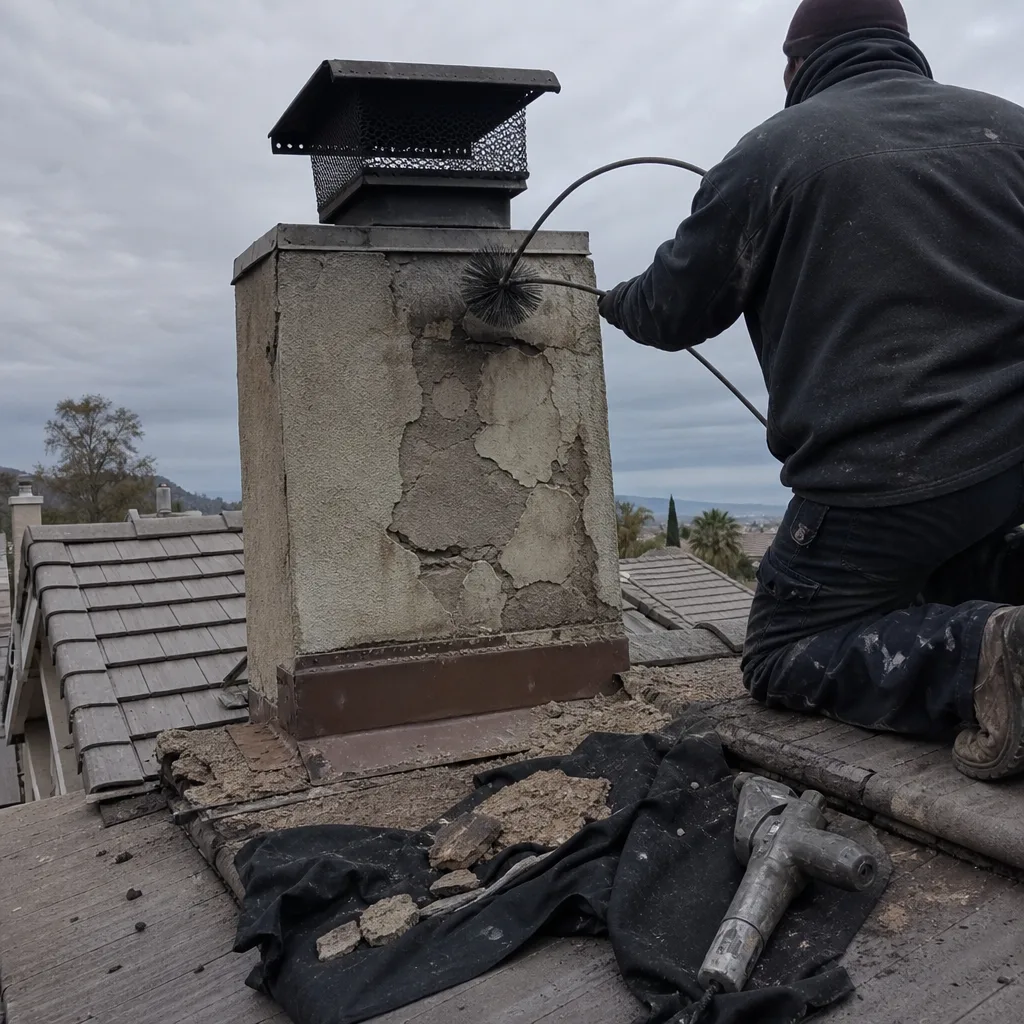 Before
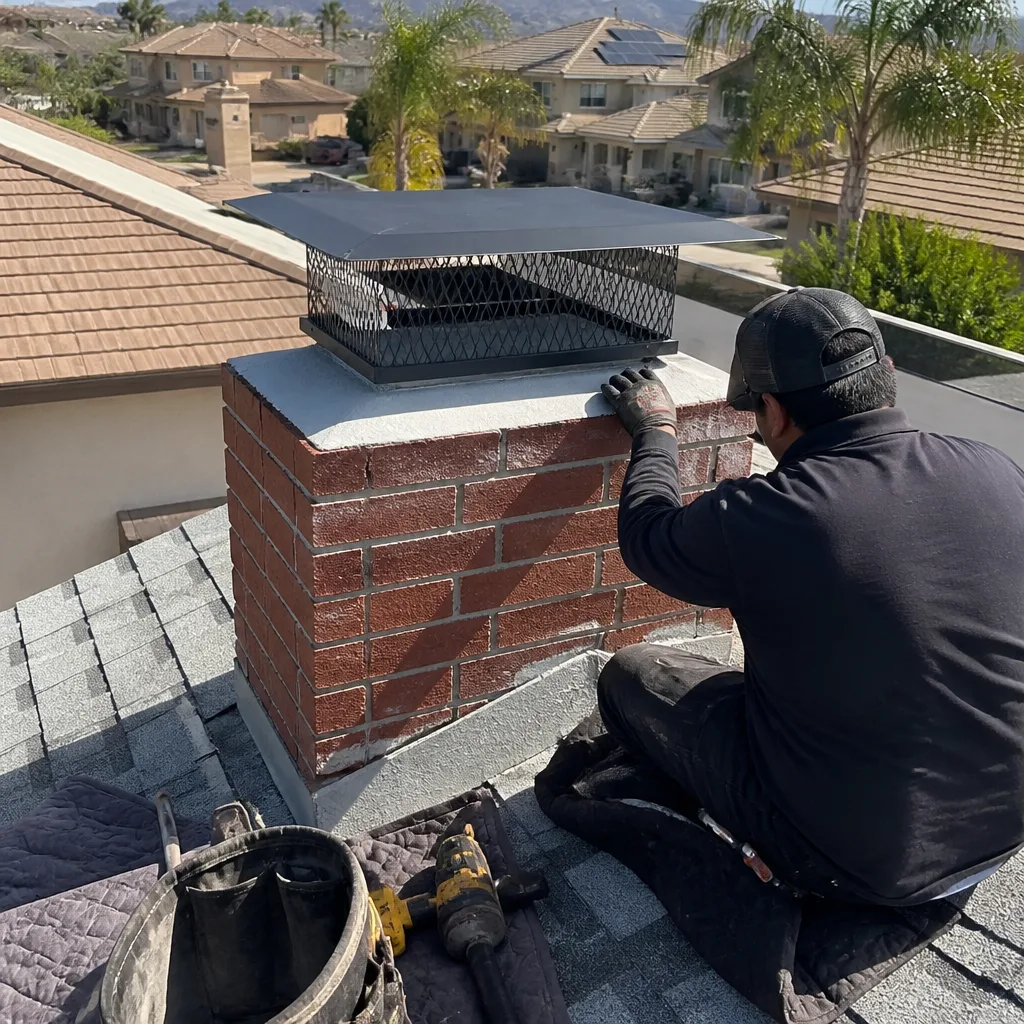 After
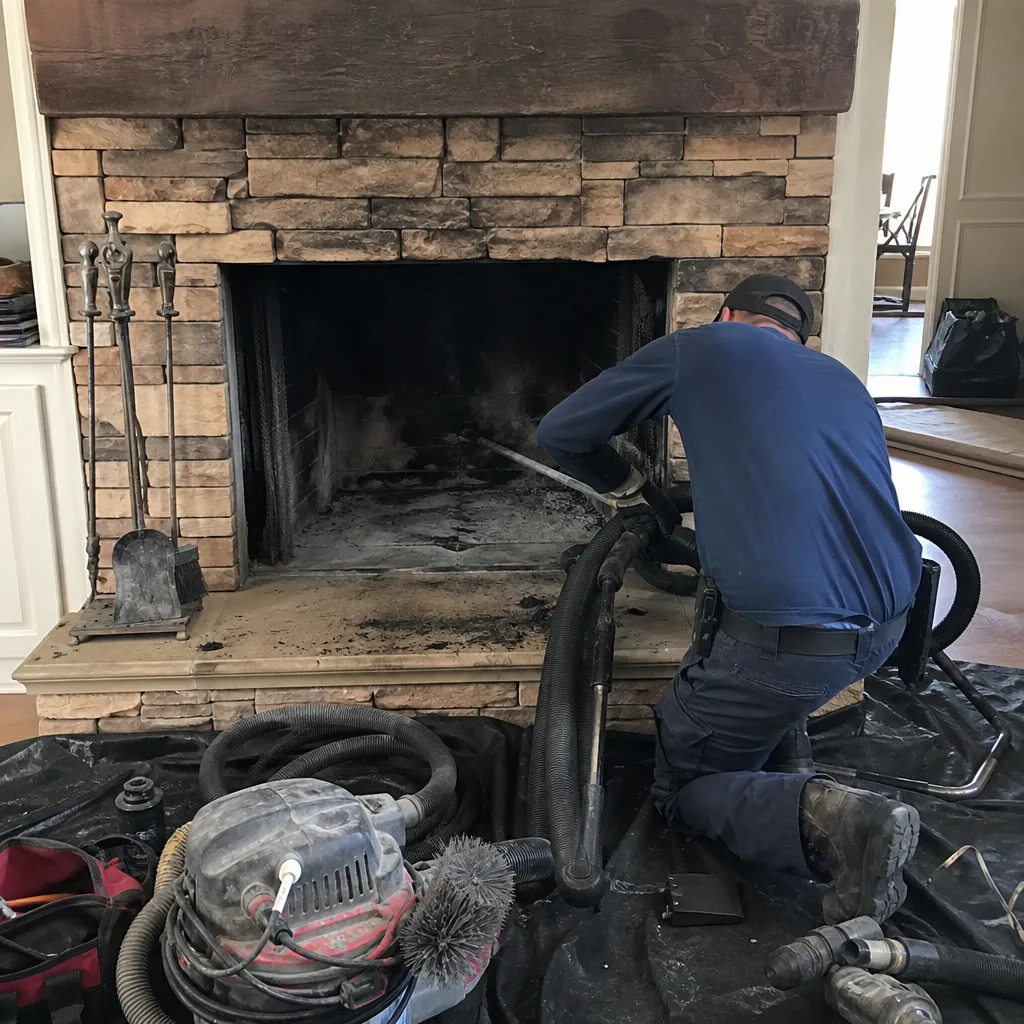 Before
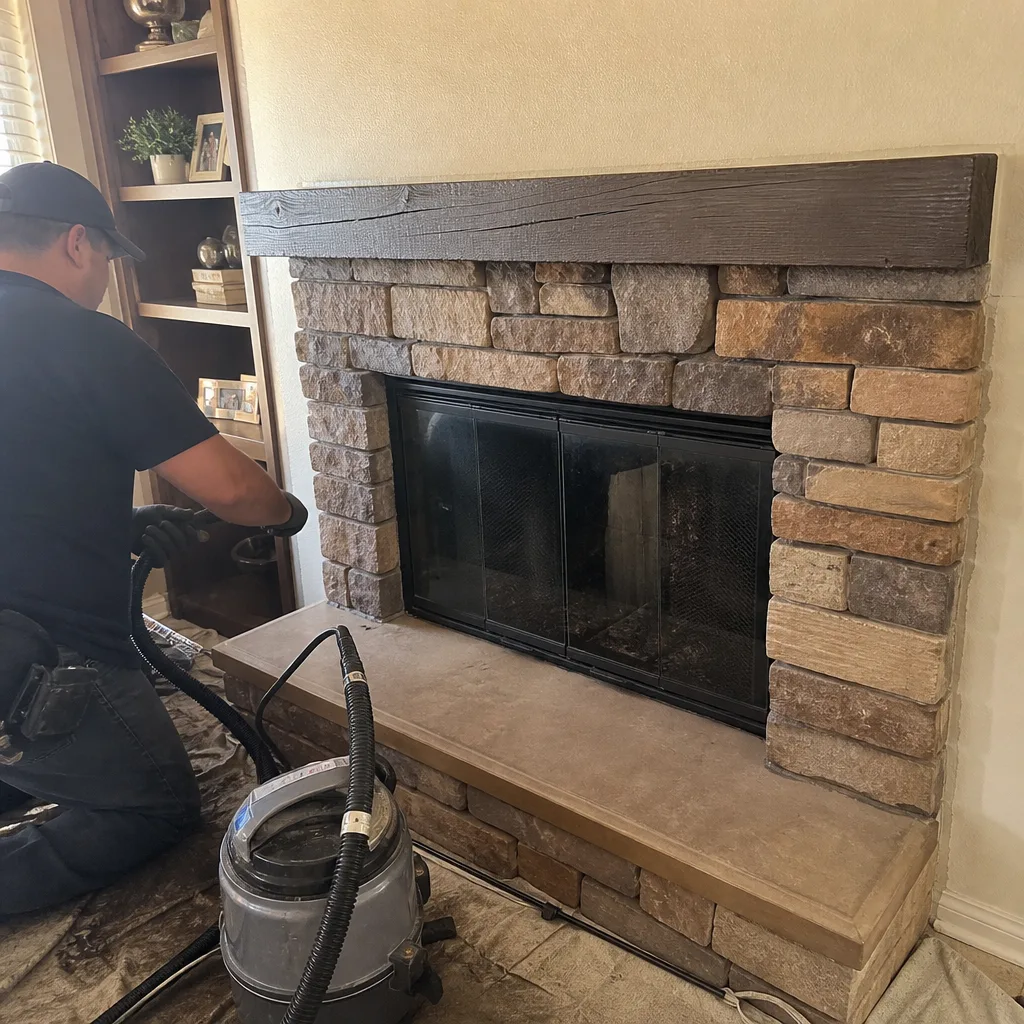 After
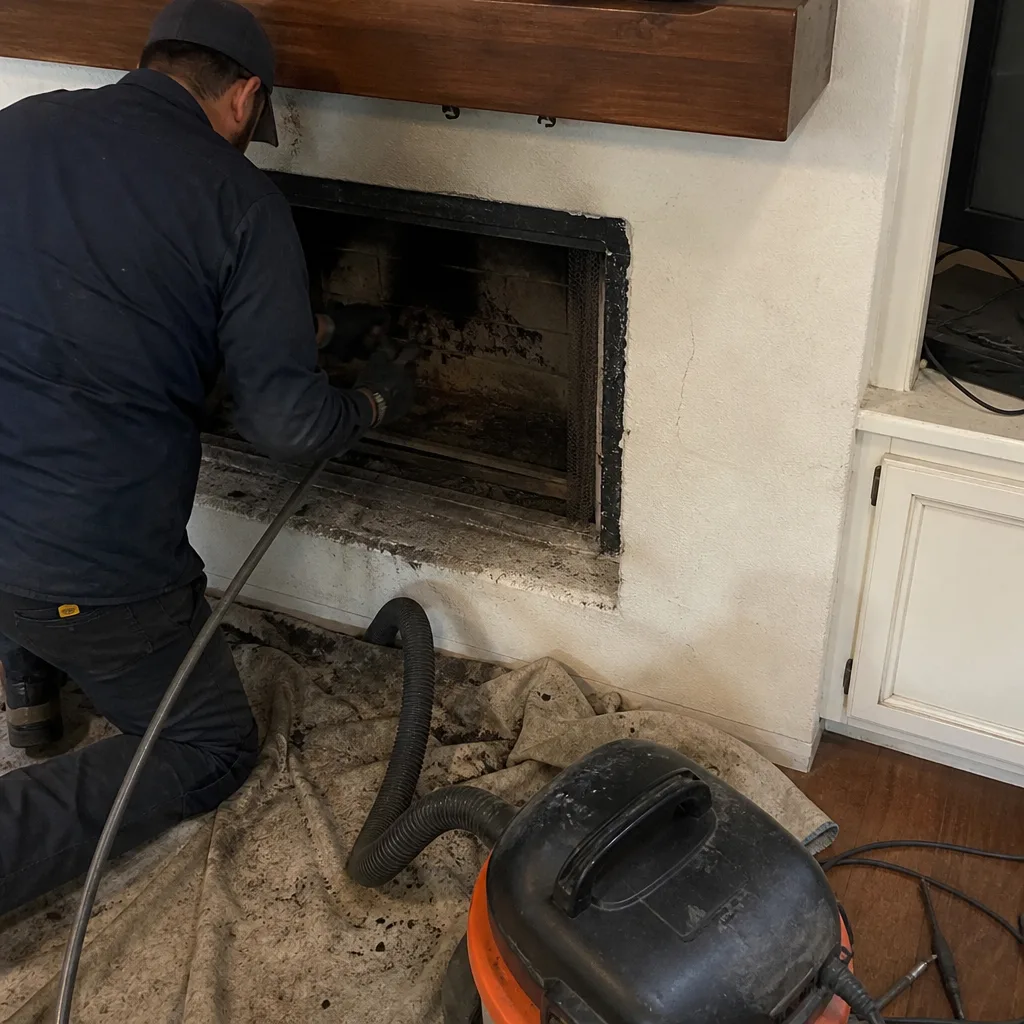 Before
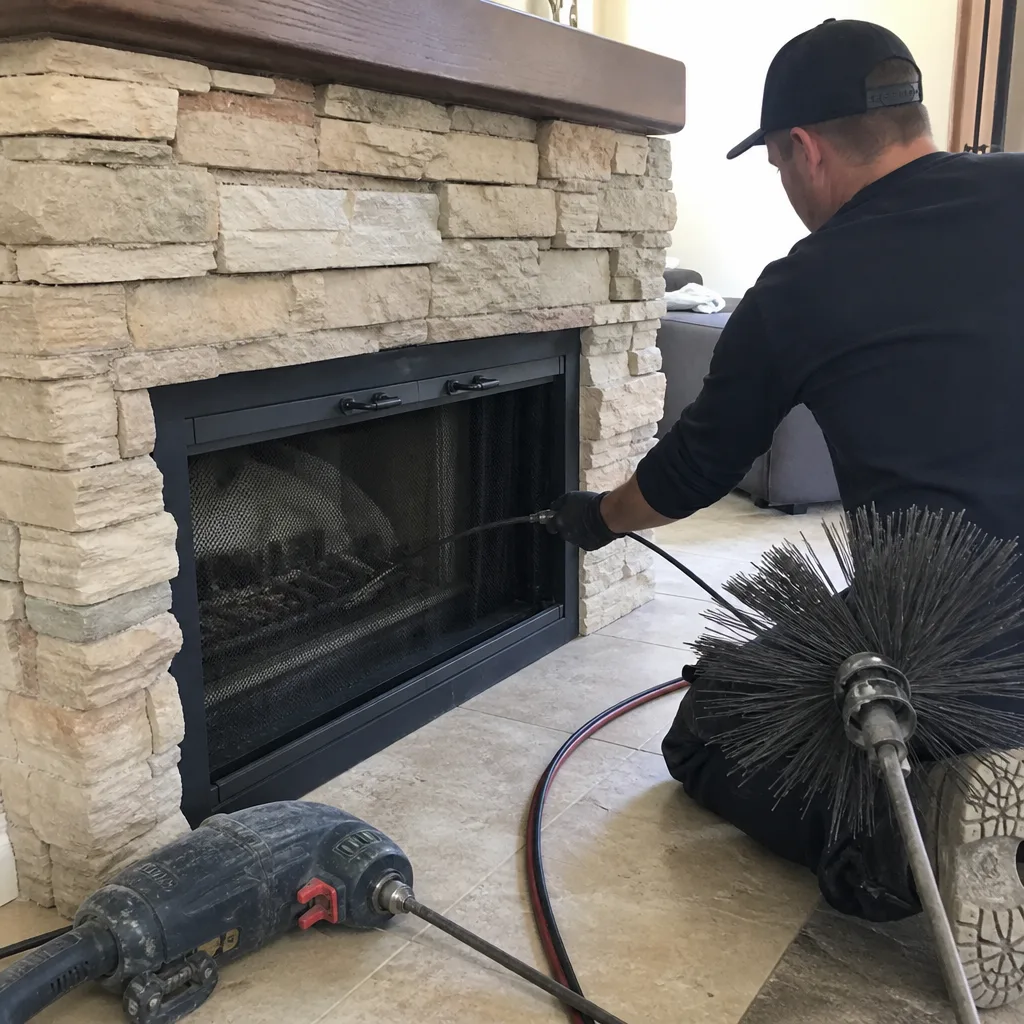 After