Last updated October 30, 2026
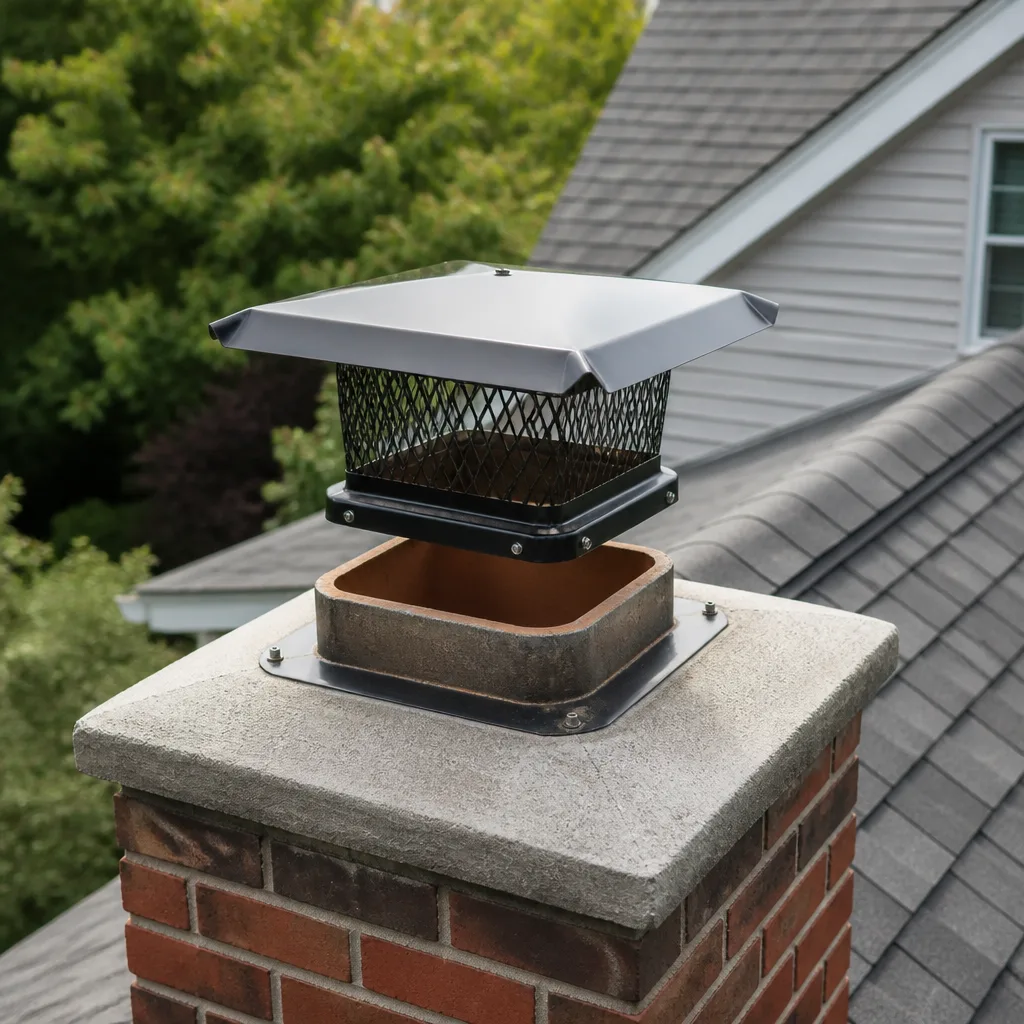 Sweep & inspection
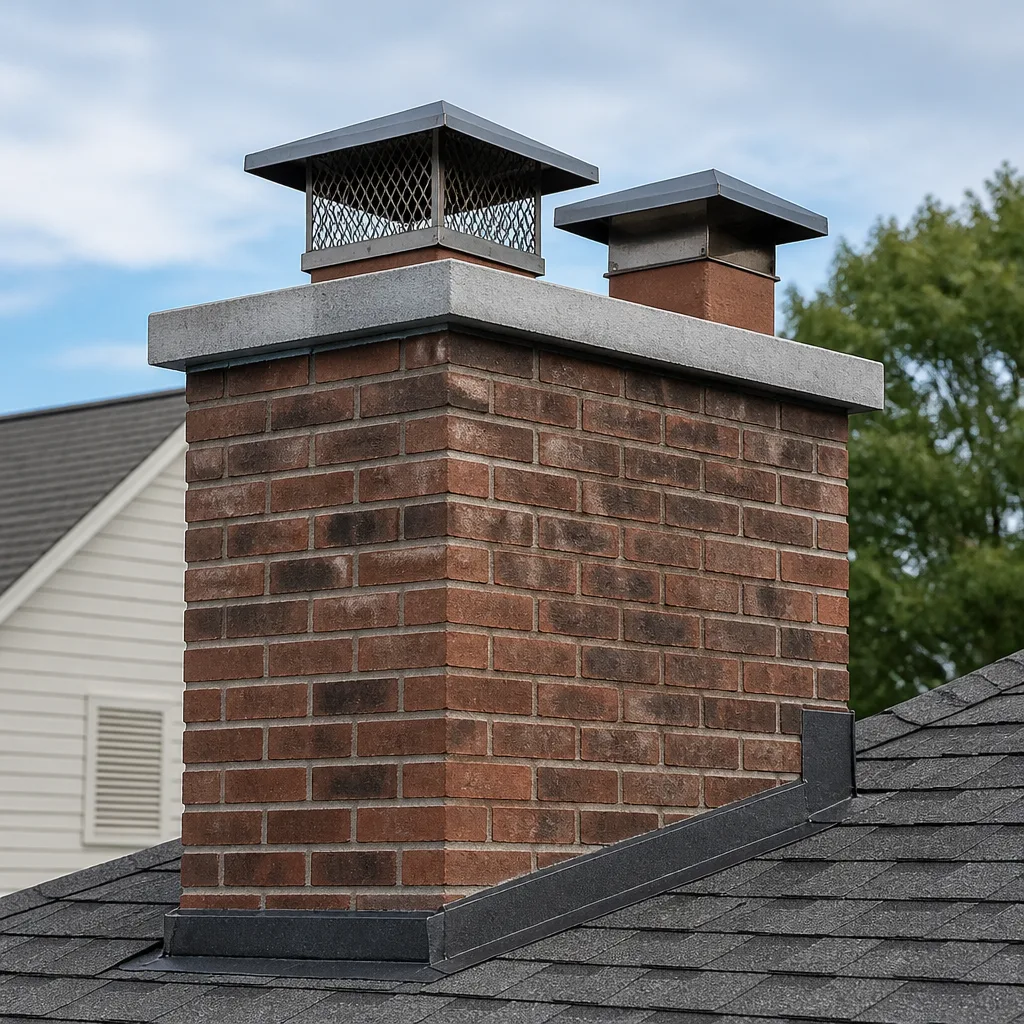 Caps & crowns
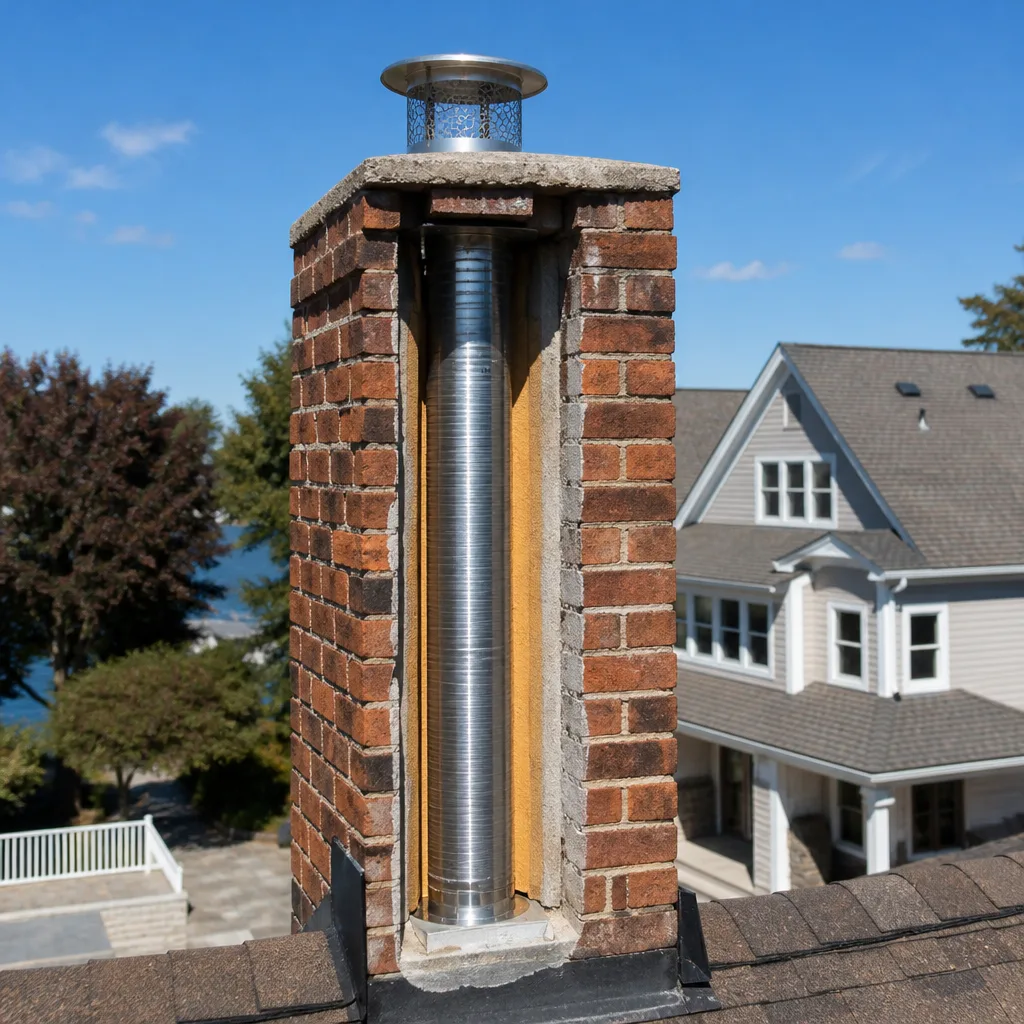 Flue relining
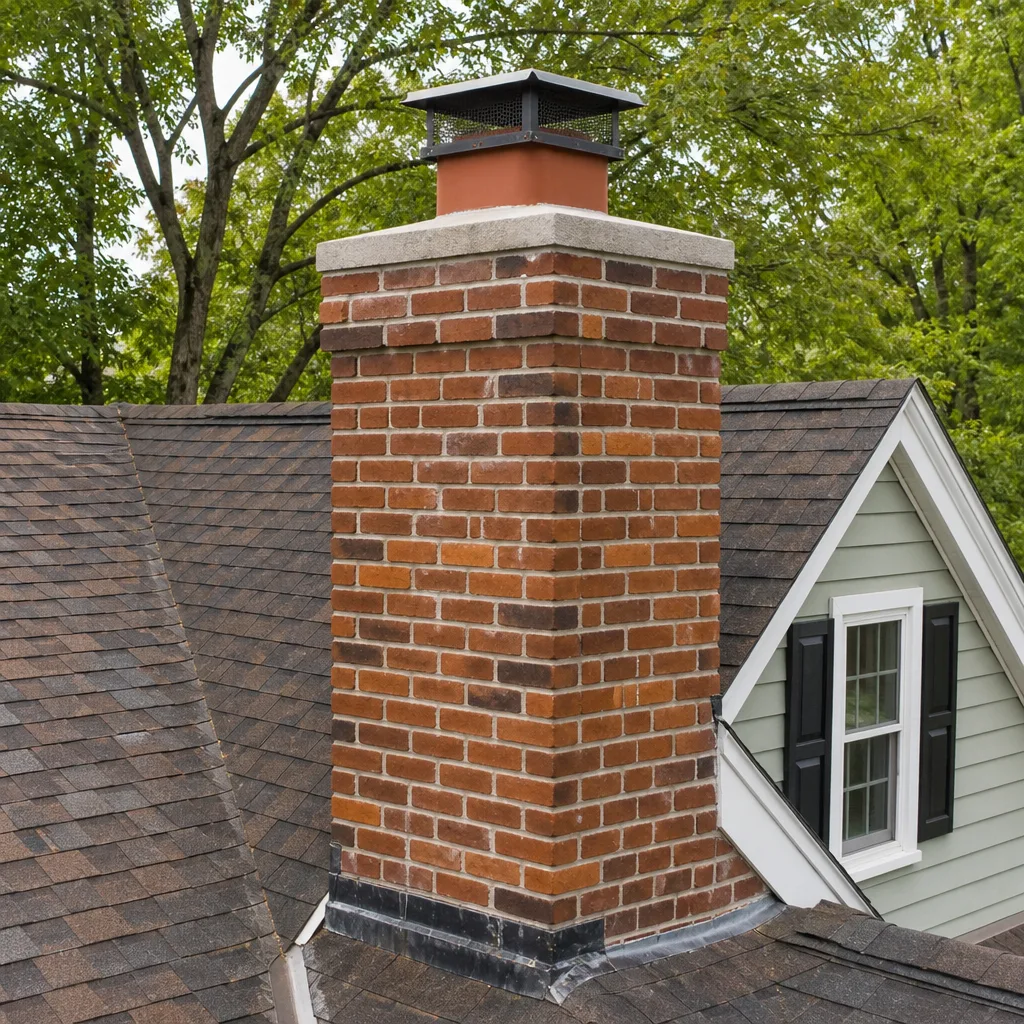 Masonry repair
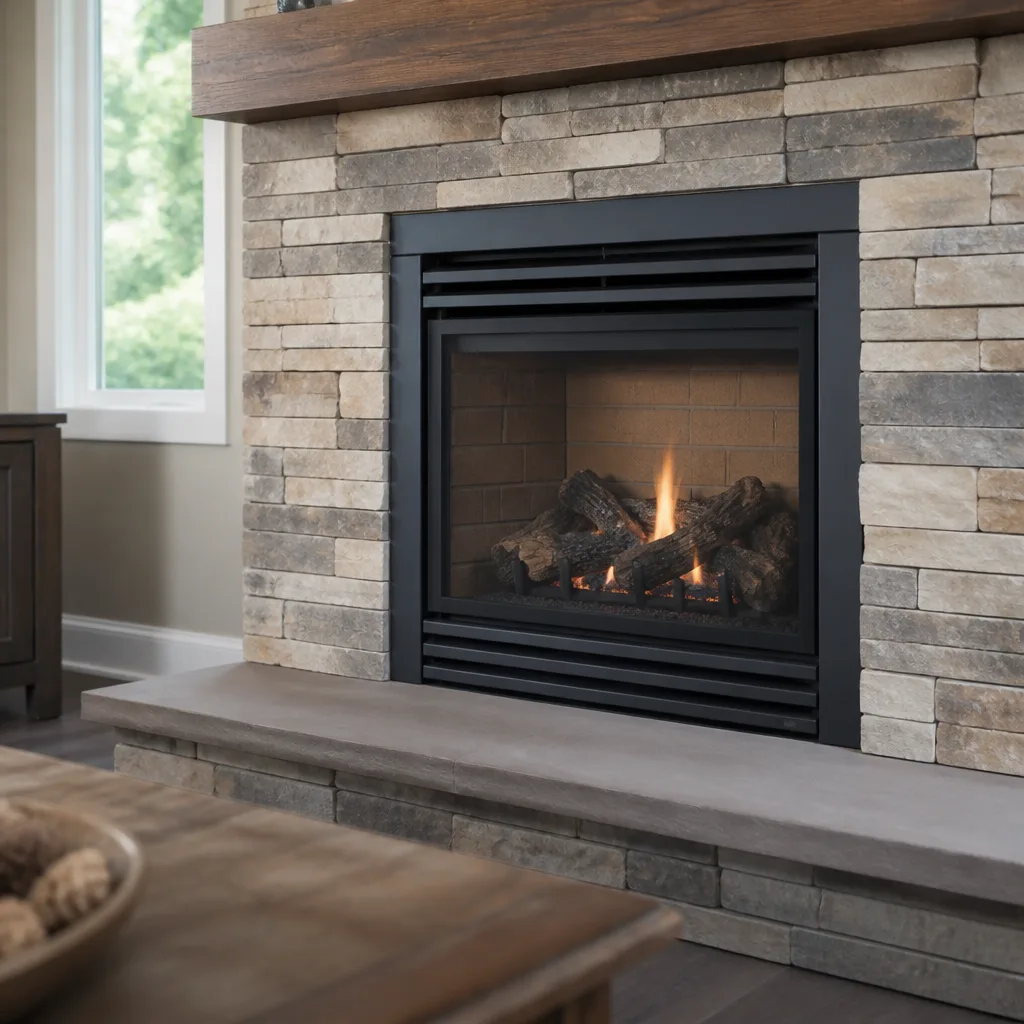 Gas fireplace service
Level 1 sweep and inspection to the NFPA 211 annual standard - flue, crown, cap, and flashing checked and photographed
Chimney sweep logs do not sweep chimneys. They loosen some creosote - which then falls where a brush and vacuum still have to collect it.
Chimney Cleaning Cost Breakdown: The Corona Homeowner’s Reference for 2026
In Corona, the difference between a $99 chimney sweep and a $450 chimney sweep is rarely the quality of the brushing. It’s the scope of what got quoted. One contractor is quoting a visual once-over with a rod and brush. Another is quoting a Level 2 camera inspection, creosote removal rated by deposit stage, a crown assessment, and a written report with photos. Both will tell you they “cleaned the chimney.” This guide—along with our Chimney Cleaning Warning Signs: A Corona Homeowner’s Reference Guide—lays out every line item in a 2026 Corona chimney cleaning quote, what each one actually covers, what low-bid quotes quietly omit, and what you should expect to pay for a thorough job done by a company that also repairs what it finds.
Quick Answer
A standard chimney sweeping in Corona, CA runs $179 to $300 for a single flue with normal creosote buildup, while a full-service cleaning with camera inspection, rotary treatment for glazed creosote, and a written report typically lands between $325 and $550. The spread isn’t about markup. It’s about whether you’re paying for a visual brushing or a documented, code-aware inspection that includes structural evaluation. For details on local requirements, see our Chimney Cleaning Permits, Codes & Inspections in CA: What You Need to Know.
Styles & brands we work with
Table of Contents
- Line-Item Cost Breakdown for 2026
- Why Rotary Cleaning Systems Cost More Than Rod-and-Brush
- How to Read a Chimney Estimate Without Getting Burned
- Single-Flue vs. Double-Flue Pricing in Corona’s Two-Story Homes
- When Bundling Saves Money and When It’s an Upsell
- What Homeowners Get Wrong About DIY Chimney Maintenance
- How Often Should You Actually Schedule a Cleaning in Corona?
Line-Item Cost Breakdown for 2026
Chimney cleaning in Corona is not a flat-rate commodity, and any company that quotes it as one is either hiding something or not doing the full job. Here’s what each component actually costs in this market right now, based on what we see on estimates across the Inland Empire.
- Standard sweep (Level 1): $179 to $300. This includes a rod-and-brush cleaning of the flue, a visual check of the firebox, damper, and accessible exterior, and removal of the loosened creosote and soot. It does not include a camera inspection. If the flue has light, powdery stage-one creosote, this is usually sufficient.
- Level 2 inspection with camera: $150 to $350 as an add-on, sometimes bundled into a comprehensive visit. A push camera goes up the full length of the flue and captures video of the interior liner surface, mortar joints, and smoke chamber. This is the only way to identify hairline cracks, separated flue tiles, or hidden blockage. We will not quote a liner repair or replacement without this documentation, and neither should any credentialed chimney company in Corona.
- Rotary cleaning for stage-two or stage-three creosote: $125 to $275. Glazed or tar-like creosote won’t come off with a standard brush. A rotary whip with metal chains or stiff nylon flails spins at high speed to break the glaze free. This is a mechanical process that takes longer and requires more cleanup, which is why it costs more.
- Creosote chemical treatment: $40 to $90. After a cleaning, some flues benefit from a spray or powder treatment that breaks down residual creosote over subsequent burns. It’s not a substitute for sweeping. It’s a follow-up measure for flues that build up deposits quickly.
- Chimney cap replacement: $95 to $240 for the cap, plus $50 to $100 for installation if done as part of an existing service visit. Corona’s dry summers mean rust moves slowly, but the Santa Ana winds test every mounting bracket. A missing or damaged cap invites birds, leaves, and rain into the flue.
- Crown coat application: $175 to $350. The mortar crown at the top of the chimney is the first thing to crack in Corona’s heat-and-cool cycles. A waterproof crown coat seals small cracks before water works its way into the brickwork and starts spalling the face.
All of these prices reflect Corona market conditions in 2026. A company that quotes $79 for a “full chimney sweep” without mentioning cameras, rotary equipment, or caps is not quoting the same service.
Why Rotary Cleaning Systems Cost More Than Rod-and-Brush
Rod-and-brush sweeping is exactly what it sounds like. A technician runs a brush on flexible rods up and down the flue, knocking loose what’s on the surface. It works well for stage-one creosote: light, dusty, brown or gray residue from regularly burned, properly seasoned wood. Corona’s wood-burning households that use the fireplace a few nights a week and have their chimney swept annually often fall into this category.
Rotary cleaning is a different animal. A motor-driven whip head spins inside the flue, scouring the walls rather than just brushing them. It’s the right tool when creosote has progressed to stage two: shiny black flakes or brittle glaze that adhered to the liner. Stage-three creosote, which is a thick, tar-like glaze that can re-ignite at high temperatures, often requires rotary heads with metal chains and may take multiple passes. In some cases, stage-three deposits also warrant a chemical treatment before and after the rotary work.
The cost difference comes down to equipment wear, time on site, and cleanup labor. A rotary job on a glazed flue can take twice as long as a standard sweep, and the debris is heavier and harder to vacuum. If a quote jumps from $200 to $400, the technician should be able to show you the camera footage or at least describe the deposit stage they observed. We show our Corona customers the before and after whenever a rotary upgrade is justified. No camera, no justification for the upgrade.
How to Read a Chimney Estimate Without Getting Burned
The cheapest chimney quote in Corona is cheap because of what’s missing. Here’s the step-by-step way to read an estimate and spot the omissions before they become surprises.
- Check the scope of the inspection. Does the estimate say “Level 1” or “Level 2”? A Level 1 is a visual inspection of accessible portions. A Level 2 includes camera documentation of the entire flue interior. If the estimate doesn’t specify a level, ask. If the company can’t answer, walk away.
- Look for the word “rotary” or “mechanical” cleaning. If it’s absent, the quote assumes stage-one creosote. If your flue is glazed, that upgrade comes later, at a different price.
- Confirm what happens with the debris. A proper sweep includes vacuuming and drop cloths. If the estimate is silent on cleanup, the crew might not bring a HEPA vacuum, and you’ll be wiping soot off your mantel for a week.
- Check for cap and crown language. A thorough estimate notes the condition of the cap and crown as part of the service. If the quote only says “sweep flue” and nothing else, the technician isn’t looking at the exterior, which is where Corona’s repair problems start.
- Ask about the report. A documented job includes photos or video stills and a written summary. An undocumented job is just a brush and a receipt. You need evidence to make repair decisions, and no honest contractor recommends liner or masonry work without it.
We repair what we find, which means we have no incentive to hide findings or invent them. If a Corona sweep-only company finds a cracked flue tile, their only move is a referral. That’s the handoff gap that leaves homeowners calling around for a second opinion they should have gotten from the first company.
Single-Flue vs. Double-Flue Pricing in Corona’s Two-Story Homes
Many Corona neighborhoods south of the 91 and up into the foothills were built with two-story floor plans and dual-flue chimneys: one flue for the living room fireplace and one for a furnace or water heater in the garage or utility closet. That changes the cleaning math.
A single-flue sweep is one job. A double-flue sweep is two flues, often of different diameters, requiring different brush sizes and different entry points. The second flue can also carry different deposits. A furnace flue that vents a gas appliance accumulates a different residue profile than a wood-burning fireplace flue, and it needs a different cleaning approach, including inspecting the connector piping and the draft.
Expect a double-flue cleaning in Corona to run 50 to 80 percent more than a single-flue sweep, not double. The fixed costs of dispatch, setup, and teardown are shared. But the per-flue cost is real, and any estimate that treats a double-flue chimney as a single-flue job is cutting the inspection scope.
Square footage of the home, by the way, is irrelevant to chimney cleaning. We get asked about it constantly. A 4,000-square-foot house with a 20-foot flue costs the same to sweep as a 1,400-square-foot house with a 20-foot flue. What matters is flue height, flue diameter, number of flues, and the stage of creosote inside them. A contractor that asks for square footage before quoting a sweep is using a flooring salesman’s script.
When Bundling Saves Money and When It’s an Upsell
Bundling is real when it reduces dispatch and setup costs. If a technician is already on the roof to sweep the flue, installing a new cap or applying a crown coat takes an extra 30 to 45 minutes, and the equipment is already deployed. Most Corona chimney companies, including us, discount cap installation and crown work when it’s added to a scheduled sweep.
Here’s a genuine example: a standard sweep at $230, plus a cap at $160 and installation at $70, totals $460. Bundled, that same visit might run $400 to $420 because the technician is already there, the ladder is already set, and the job doesn’t require a second trip. The savings are real and the work is necessary if the cap is actually missing or damaged.
Where bundling becomes an upsell is when the add-on isn’t needed yet. A crown with hairline cracks in Corona might have two or three more years before water intrusion starts spalling brick. If a company pushes a $300 crown coat on a chimney that shows no signs of moisture damage, they’re selling fear, not maintenance. A good contractor shows you the cracked area, explains the consequence, and lets you decide. We recommend crown coating when we see active deterioration, not as a default package item.
The same logic applies to dryer vent cleaning. A clogged dryer vent is a fire waiting to happen, and Dryer Vent Cleaning in Corona is a standalone service we treat with the same seriousness as chimney work. But if your vent was cleaned six months ago and you’re not a heavy laundry household, bundling a $129 vent cleaning onto every chimney sweep is just habit.
What Homeowners Get Wrong About DIY Chimney Maintenance
Some things in a house are safe to learn through failure. A chimney flue is not one of them. The dangerous parts are not obvious from the living room side.
Creosote is flammable. That’s not a metaphor. Stage-three creosote has a flash point low enough that a hot fire can ignite it inside the flue. A chimney fire burns at temperatures that crack flue tiles, warp dampers, and can breach into the framing. You cannot see the inside of your flue from the hearth, and no amount of burning a “creosote log” from the hardware store removes glazed deposits. Those logs are maintenance assists for light stage-one residue, not treatments for an actual problem.
Homeowners also underestimate the roof work. Working on a Corona roof with a chimney requires a ladder, roof brackets, and a clear understanding of fall protection. A fall from a second-story roofline is a life-altering injury. We say this plainly: the roofing portion of a chimney cleaning is not a weekend project, and we do not recommend attempting it without professional training and safety equipment.
What you can do yourself is monitor what comes out of the flue. If you see thick black flakes falling into the firebox after a burn, you have stage-two creosote. If you smell a sharp, acrid odor from the fireplace in summer, that’s moisture interacting with creosote, another sign you’re overdue. Both are signals to call a Chimney Sweep in Corona before the next burn season.
How Often Should You Actually Schedule a Cleaning in Corona?
The standard answer from the National Fire Protection Association is annual inspection, with sweeping as needed based on deposit levels. In Corona, the practical answer depends on how you burn.
Households that use the fireplace as primary heat in winter months, or burn a mix of seasoned and semi-seasoned wood, often need a sweep every year. Corona’s winter burn season is shorter than mountain communities, but it’s real, and the dry wood available locally can burn hot and fast, which actually accelerates creosote formation in the upper flue where temperatures drop.
Households that burn a few decorative fires per season may stretch to 18 months. Gas fireplace flues still need inspection, though less frequently for creosote and more for blockages, deteriorated mortar, and proper drafting.
The variable that matters most is the camera. An annual Level 1 visual is good practice. A Level 2 camera inspection every two to three years catches what the eye can’t. A cracked flue liner behind a clean surface is invisible without a camera, and by the time it’s visible from the inside, the damage is advanced. We’ll never tell a Corona homeowner they need a new liner without camera evidence, because we wouldn’t accept that claim ourselves without seeing it.
Common Mistakes to Avoid
- Trusting a low-bid ad without reading the scope. A $79 sweep special in the Inland Empire covers a visual glance and a light brushing. It does not include camera work, rotary treatment, or any meaningful structural assessment, and that distinction never appears in the ad. If the quote doesn’t say Level 2, it isn’t Level 2.
- Deferring a cap replacement. Corona’s wind and heat cycles are hard on caps. A missing cap means rain, leaves, and birds in the flue. A three-inch bird nest in a flue is a smoke backup waiting to happen the first time you light a fire.
- Burning unseasoned wood in high volumes. Corona’s dry climate doesn’t dry wood fast enough for burning the same year it’s cut. Burning green wood quadruples creosote accumulation compared to properly seasoned wood. It’s the fastest way to turn a routine sweep into a rotary job.
- Ignoring a musty smell from the fireplace in summer. That’s moisture in the flue interacting with creosote. It means water is getting in somewhere, usually through a cracked crown or missing cap, and it won’t fix itself.
- Assuming a smoke backup is just bad wood. Smoke rolling into the room instead of up the flue can be creosote blockage, a closed damper, a bird nest, negative air pressure, or a flue that’s too short. The fix for each is different, and guessing costs more than diagnosing.
- Skipping the dryer vent because it’s not a fireplace. Lint accumulation in a dryer vent builds the same way creosote does. Dryer vent cleaning is a fire-prevention service, not an upsell. If your dryer is taking longer to dry a load than it did a year ago, the vent is telling you something.
- Hiring a company that doesn’t repair chimneys. If the technician who finds a crack can’t fix it, you’re paying for a referral and starting over. Hire a company that does Chimney Repair in Corona in-house, so the diagnosis and the fix come from the same set of hands.
See the difference
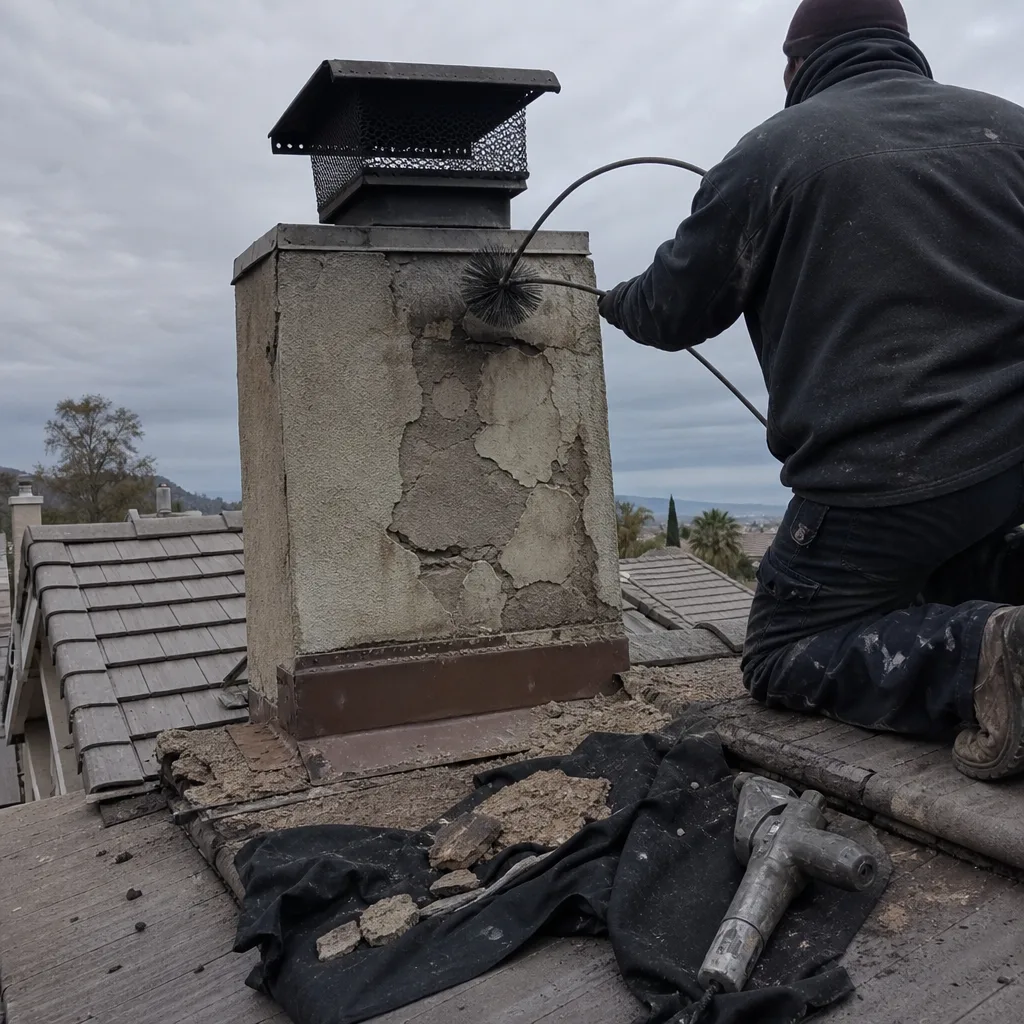 Before
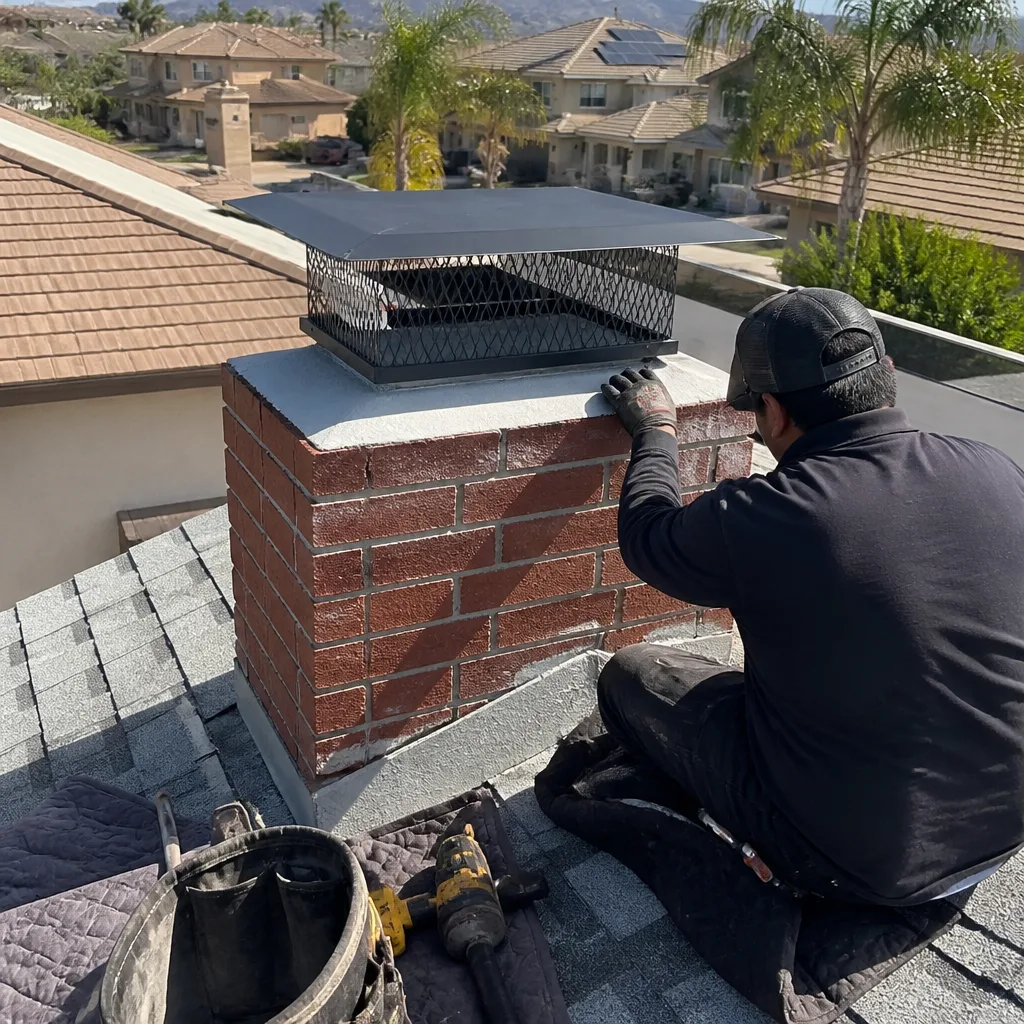 After
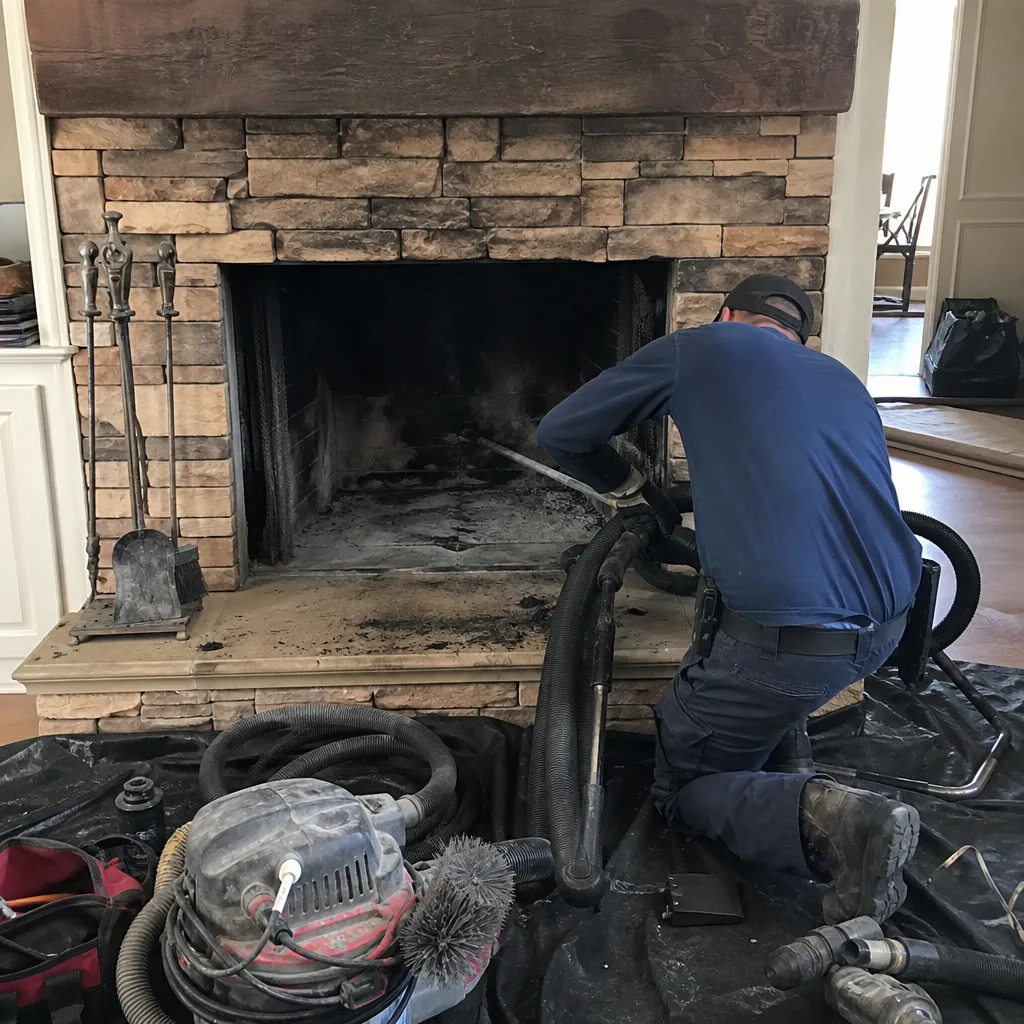 Before
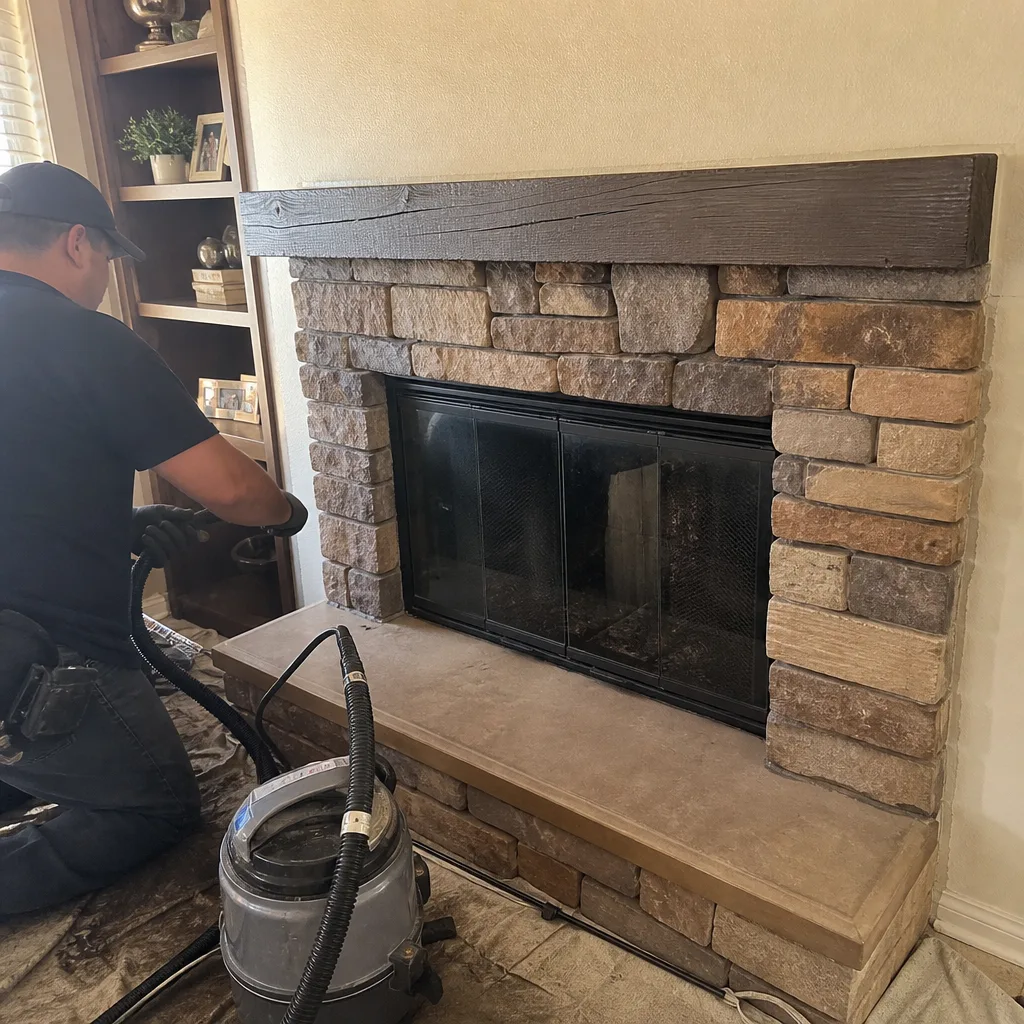 After
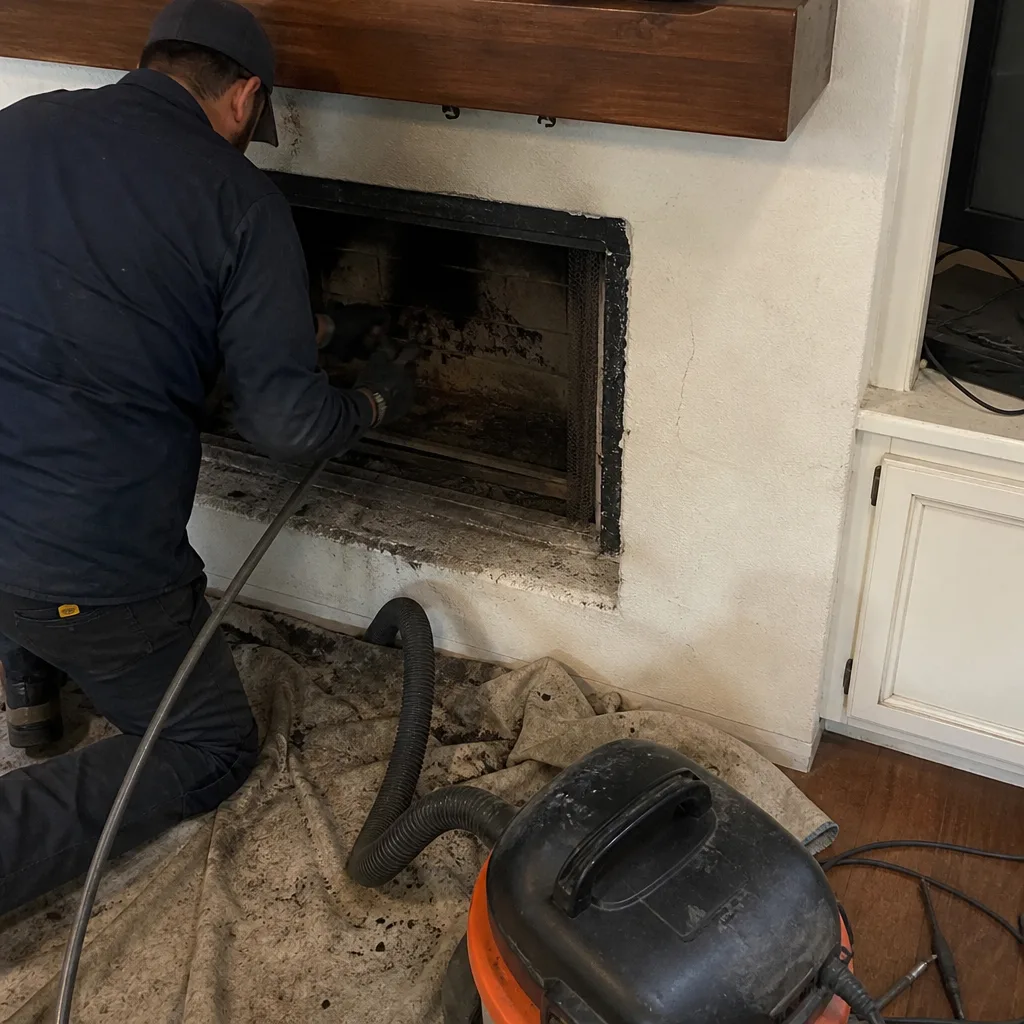 Before
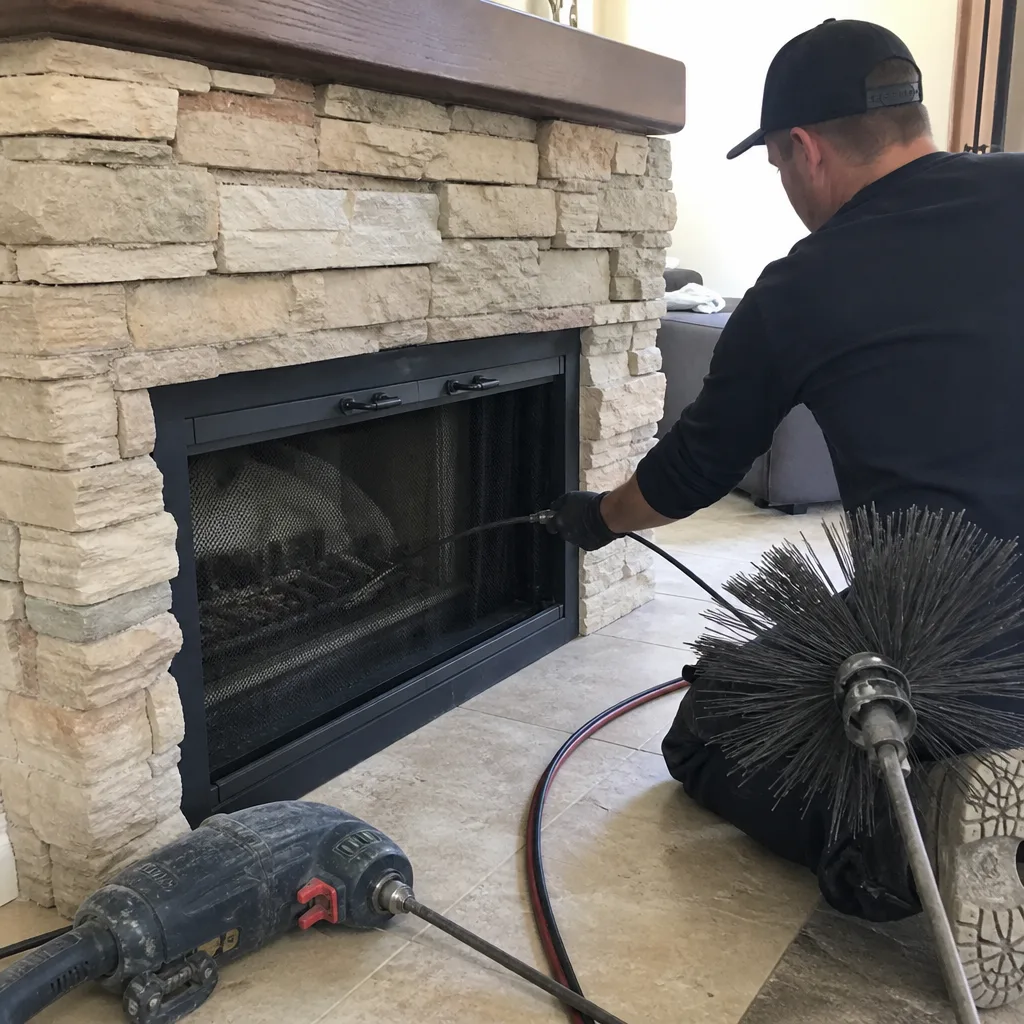 After
When to Call a Professional
Call a professional whenever you see thick, shiny creosote inside the firebox, smell smoke or a sharp chemical odor from the fireplace when it’s not in use, notice water stains on the ceiling near the chimney, or find that fires are drafting poorly despite a clean flue. These are symptoms with multiple possible causes, and the diagnosis requires a camera and a trained eye. If you’ve deferred service for more than two years, do not light another fire until the flue has been inspected. Corona Chimney Sweep home covers cleaning, repair, and dryer vent service, so one visit can resolve whatever the inspection turns up. Corona Chimney Sweep offers free estimates in Corona. Call (855) 382-6159 to schedule.
Frequently Asked Questions
A standard single-flue sweep in Corona runs $179 to $300, depending on creosote stage and flue height. A full-service visit with camera inspection and rotary treatment typically lands between $325 and $550. Call (855) 382-6159 for an exact quote. Estimates are free.
The $99 sweep covers visual inspection and light brushing for stage-one creosote. The $400 sweep includes camera documentation, mechanical or rotary cleaning for heavier deposits, and a written report with findings. The difference is the scope, not the quality of the brush. A company that can’t explain the difference in writing is not a company you want on your roof.
Once a year if you burn regularly throughout the winter. Occasional burners can go 18 months. Gas appliances still need annual inspection for blockage and draft. The camera inspection every two to three years is the part most homeowners skip, and it’s the part that catches the expensive problems early.
Not without camera evidence. A cracked flue liner is a legitimate repair need, but the diagnosis should come with video or photos showing the crack, its location, and its severity. We never recommend liner work without that documentation, and we’d caution any Corona homeowner against a contractor who does. When a liner is genuinely shot, we install and service DuraFlex stainless flexible liners and can advise when HeatShield resurfacing is a qualifying alternative.
Creosote accumulates and becomes increasingly flammable. In severe cases, a hot fire can ignite the deposits and start a chimney fire that cracks flue tiles and breaches into the home’s framing. At minimum, heavy buildup restricts draft and pushes smoke into the living space. The risk compounds with each unattended burn season.
Because it is one. A clogged dryer vent causes thousands of residential structure fires every year in the U.S., and the failure mode is silent: the dryer runs, the lint builds, the airflow slows, and the heat rises. The same combustion-safety mindset that governs chimney work applies to the dryer exhaust. It’s not an add-on. It’s a venting system that needs the same level of attention.
The Bottom Line
Chimney cleaning costs in Corona vary widely because contractors are quoting different scopes under the same name. A thorough 2026 service includes documented inspection, appropriate cleaning method for the creosote stage present, exterior evaluation of the cap and crown, and a written report. Low-bid quotes omit camera work, rotary treatment, and structural assessment, which means they’re not cheaper. They’re just less. One provider that cleans, inspects, and repairs what it finds eliminates the handoff that frustrates so many homeowners. For emergency planning tips, read our Chimney Cleaning Emergency Preparedness Guide for Corona Homes. When you’re ready for a full-service sweep with real documentation, call (855) 382-6159 for a free estimate.
Written by the team at Corona Chimney Sweep, serving Corona since 2018. Browse more guides & resources.