Last updated October 30, 2026
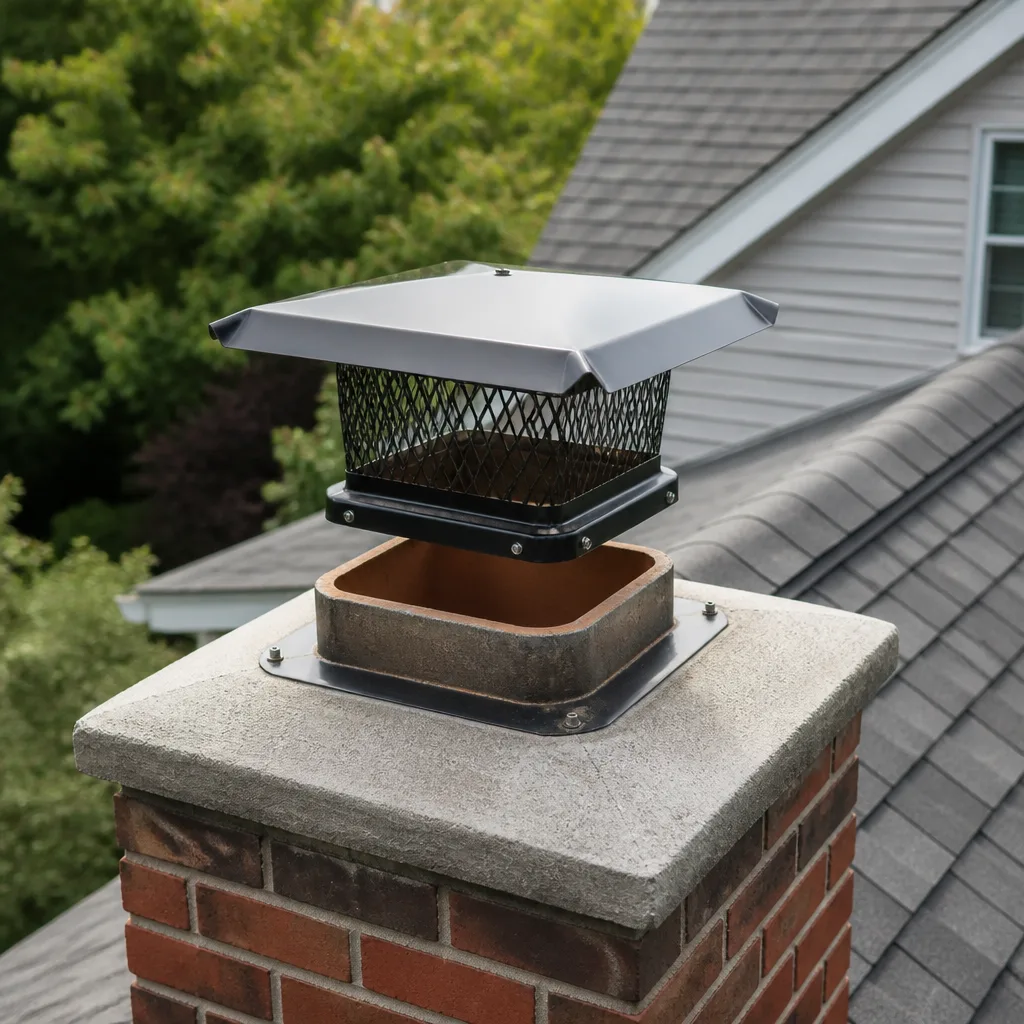 Sweep & inspection
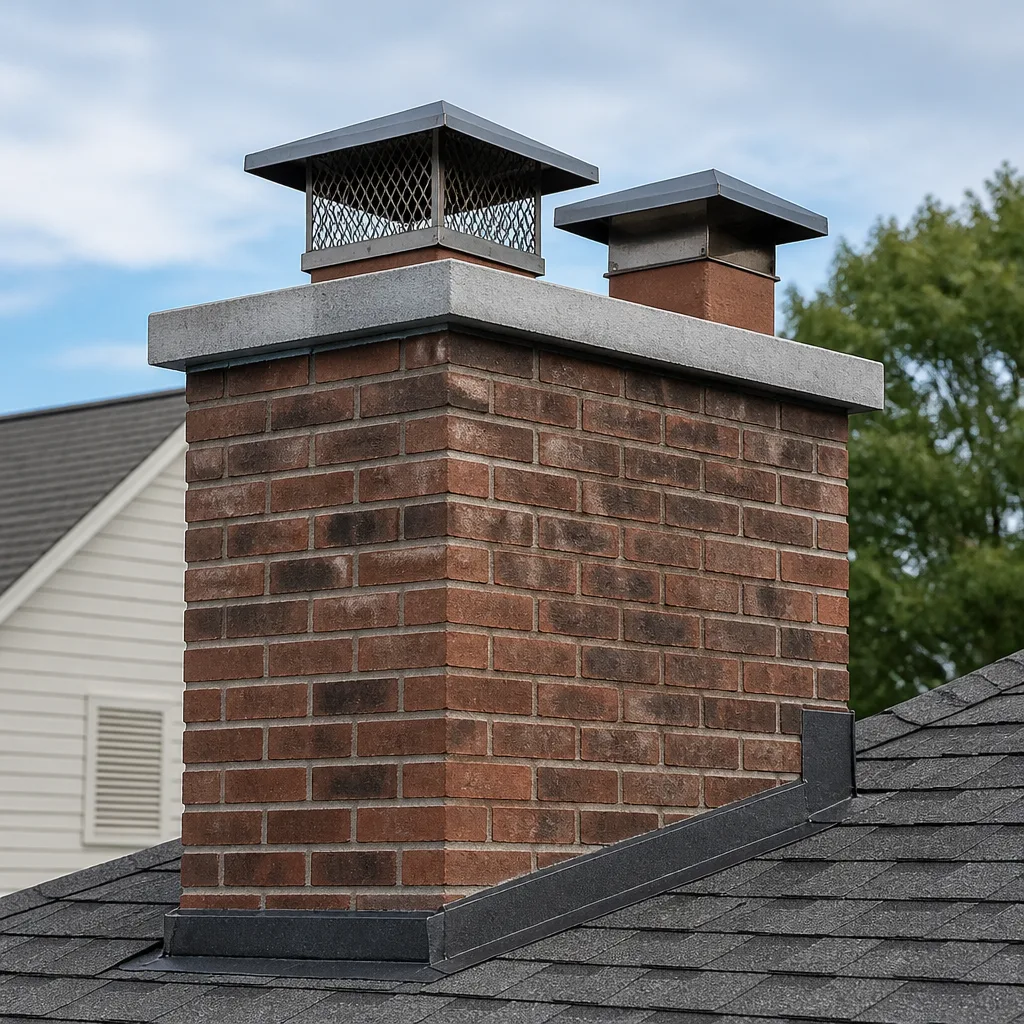 Caps & crowns
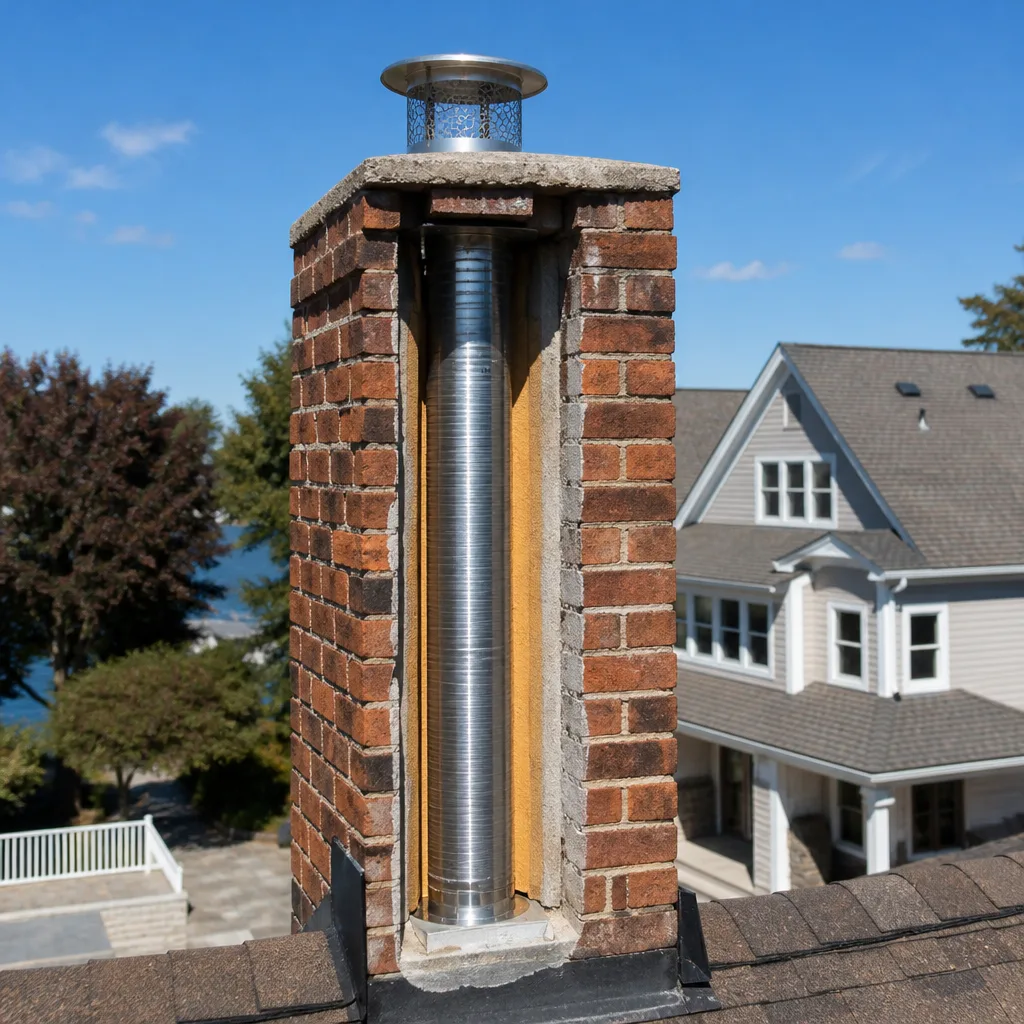 Flue relining
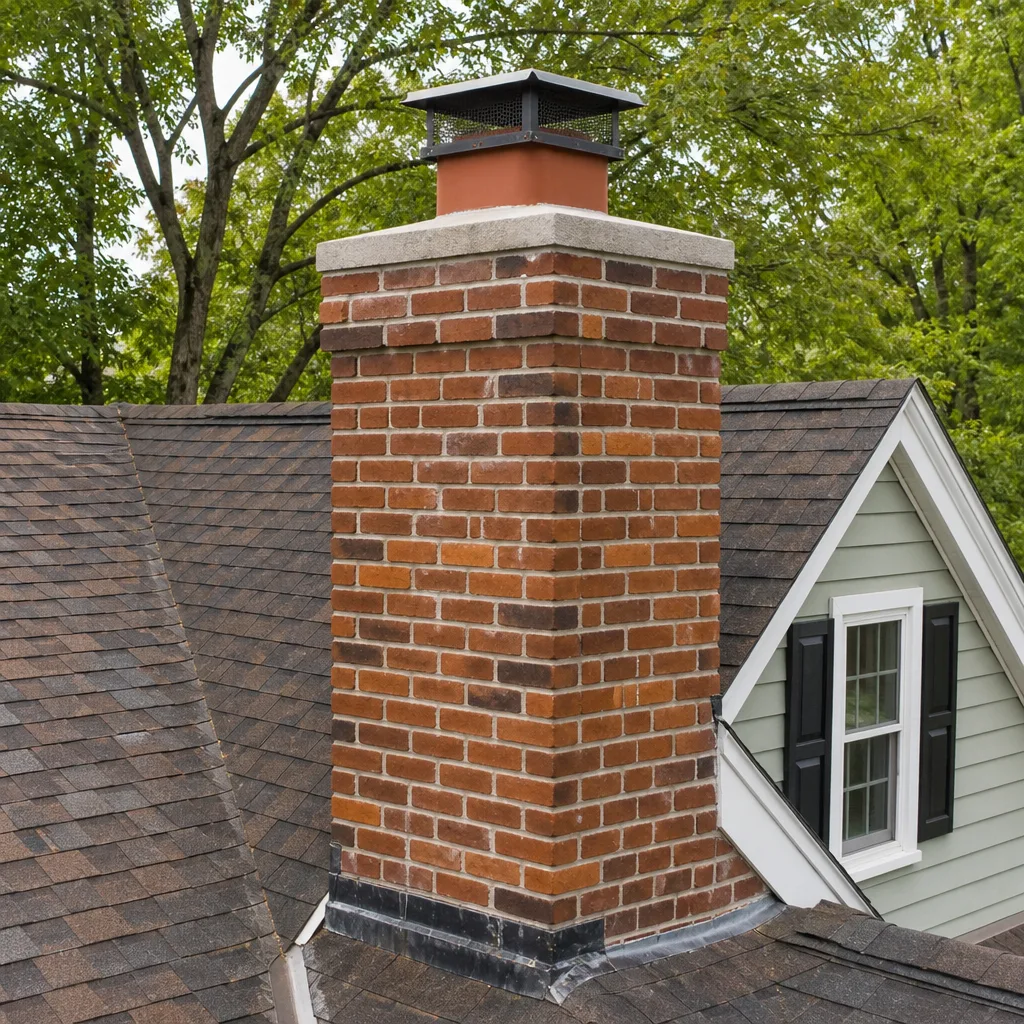 Masonry repair
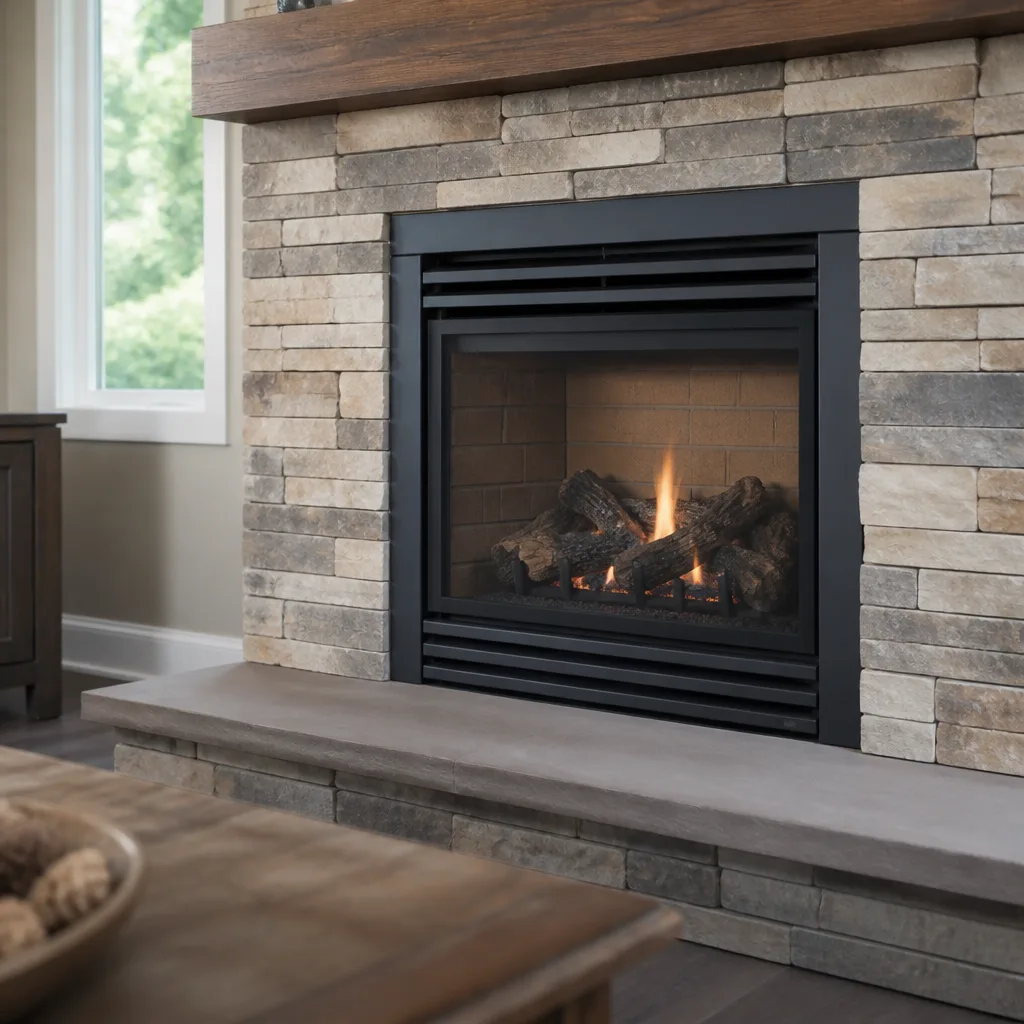 Gas fireplace service
Level 1 sweep and inspection to the NFPA 211 annual standard - flue, crown, cap, and flashing checked and photographed
Chimney sweep logs do not sweep chimneys. They loosen some creosote - which then falls where a brush and vacuum still have to collect it.
Seasonal Chimney Cleaning Care for Corona: Year-Round Homeowner’s Guide
Most Corona homeowners think chimney maintenance happens in October. That’s exactly backwards for our climate. The truth is, summer heat in Corona bakes creosote deposits into a hardened, glazed form that a standard brush can’t remove, which means the flue you ignored in May is chemically different by September. And Santa Ana winds between September and November don’t just blow leaves around. They force debris and downdraft pressure into uncapped or poorly sealed flues in ways you won’t notice until your first fire fills the living room with smoke. This guide explains the Corona-specific seasonal calendar, why late spring is our highest-value cleaning window, and what to do if you’ve skipped a season or three. For Chimney Cleaning Emergency Preparedness Guide for Corona Homes, see our dedicated resource.
Quick Answer
The most effective seasonal chimney cleaning schedule for Corona, CA is a post-season sweep in May or June, not a pre-season sweep in October. Corona’s summer temperatures exceed 100°F for weeks, enough to cure soft creosote into hardened deposits a standard brush won’t remove, while Santa Ana winds from September through November force debris and downdrafts into flues that sat unused all summer. A post-season sweep resets the flue before that hardening cycle begins, and a brief second inspection before first use catches whatever the winds brought in. Need a specific date booked? Call (855) 382-6159 and we’ll get you on the schedule.
Styles & brands we work with
Table of Contents
- Why October Is the Worst Month to Schedule Cleaning in Corona
- The Science of Creosote Hardening: Why Summer Heat Changes Everything
- Santa Ana Winds: The Overlooked Pre-Season Threat
- Summer-Specific Tasks: Caps, Crowns, and Damper Seals
- Gas Inserts vs. Wood-Burning Fireplaces: Different Schedules, Different Risks
- Skipped a Season? The Diagnostic Steps That Tell You Where You Stand
- Corona’s Month-by-Month Chimney Calendar
Why October Is the Worst Month to Schedule Cleaning in Corona
Every fall, the same thing happens. Corona homeowners call for sweeps in October and November, and every provider in the Inland Empire is booked out for weeks. That’s not the real problem. The real problem is that your flue has now sat uncleaned through four months of 95°F-plus heat, giving creosote every opportunity to cure into a hardened, glazed state. By the time a technician arrives in October, they may need chemical treatments or mechanical removal with specialized tools instead of a standard brush, because the deposit has changed in composition.
Contrast that with a May or June sweep. The fire season ends, the weather is still mild enough that the chimney internals are accessible, and creosote is still in a form that responds to conventional brushing. You get a cleaner flue with less effort, and the chemical clock resets before summer heat can do its damage. In our experience, Corona homeowners who switch to a post-season schedule spend less over time and experience fewer first-fire surprises in fall.
Here’s what a May/June sweep in Corona actually accomplishes:
- Removes soft-stage creosote before summer temperatures begin the curing process.
- Identifies moisture damage from winter/spring rains that would otherwise sit hidden through the dry season.
- Confirms crown and cap integrity while the roof is still safe and accessible, before summer heat makes roofing materials too hot to walk on comfortably.
- Resets your chimney to a known, documented condition so any fall issue is traceable to new causes, not old neglect.
If you’ve been on a fall schedule for years, you haven’t done anything wrong. You’ve just been following a national guideline that doesn’t account for Corona’s specific climate. The Chimney Sweep in Corona calendar should reflect local weather reality, not East Coast fall conventions.
The Science of Creosote Hardening: Why Summer Heat Changes Everything
Creosote forms in three stages. Stage-one is a flaky, sooty dust you can brush away. Stage-two is a denser, granular deposit that looks like baked-on coffee grounds. Stage-three is the glazed, tar-like coating that fuels chimney fires. The transition between stages is driven by heat and time, and Corona delivers both.
When Creosote sits in a flue through a Corona summer, the interior flue temperature can exceed 120°F even without a fire. That sustained heat drives off volatile compounds in the creosote, leaving behind a harder, denser matrix. Think of it like leaving paint in a hot garage. The solvent evaporates, and what remains is a crust that won’t wipe off.
What does that mean practically? A flue swept every May falls into the stage-one or stage-two category almost every time. The same flue, left untouched until October, may require:
- Chemical creosote treatments to soften glazed deposits before brushing.
- Mechanical removal with specialized power-rotary tools designed for hardened residue.
- Multiple passes that would have been unnecessary months earlier.
That’s not fear-mongering. It’s chemistry. And it’s the single biggest reason we recommend post-season sweeping in Corona. It isn’t just about timing. It’s about working with the material’s natural state before it transforms into something more difficult.
Santa Ana Winds: The Overlooked Pre-Season Threat
Santa Ana winds in Corona aren’t just a fire danger for brush and wildland areas. They stress chimney systems directly. Sustained wind speeds of 30-50 mph, with gusts above 70 in some Corona foothill neighborhoods, create two distinct problems for residential flues.
First, debris. Everything loose gets airborne. Leaves, twigs, roof granules, even small pieces of roofing material. An uncapped or improperly capped flue becomes a collection point. We’ve pulled entire bird nests out of flues in October that were empty in June, built during the summer months when the chimney wasn’t in use and the homeowner never checked.
Second, downdraft pressure. Strong sustained winds over a roof create turbulence around the chimney termination. When the flue opening catches the wind at certain angles, air pressure pushes downward through the system. If your damper seal has worn, or if the chimney height relative to the roof line isn’t ideal for wind dynamics, that pressure forces soot, ash, and debris into your firebox and, potentially, your living space.
Here’s what a pre-season inspection in September or October should check after a Santa Ana season:
- Cap and spark arrestor condition. Santa Ana winds loosen mechanical fasteners over time. Screws back out, brackets fatigue, and caps shift. A tilted cap channels water and embers instead of blocking them.
- Flue interior for wind-driven debris. We use a camera inspection to confirm the flue is clear down to the smoke shelf. You’d be surprised what accumulates in a single windy season.
- Damper seal integrity. The damper isn’t just for draft control. It’s the last barrier between outside conditions and your living room. A worn damper seal lets downdrafts push ash and odor into the house.
- Crown condition after wind stress. The mortar crown bears the brunt of wind-driven rain and debris impact. Hairline cracks from wind vibration can develop into water intrusion paths.
The pattern we recommend for Corona is a full sweep in May or June, then a shorter inspection in September or October to assess what the Santa Ana season did to the exterior system. Not a second full sweep. Just a check. That two-touch approach catches both the creosote-hardening risk and the wind-damage risk.
Summer-Specific Tasks: Caps, Crowns, and Damper Seals
Corona’s summer monsoon season, brief as it is, brings sudden, intense rain events. Even though our annual rainfall totals are low, a single summer storm can drop a significant amount of water in under an hour. That water tests every seal on your chimney, and summer is the right time to verify those seals are doing their jobs.
Here are the summer-specific tasks we recommend before the monsoon pattern sets in:
Cap and Crown Inspection
Roof access is easier in May and June than any other time in Corona. The roofing materials haven’t yet absorbed the summer heat that makes walking on them a hazard, and the afternoon sun angle makes inspection easier. We look for the same crown issues every time:
- Hairline separation from the flue tile.
- Erosion of the crown surface from years of UV exposure and thermal cycling.
- Failed sealant around the flue tile to crown interface.
- Cracks that could allow water to reach the chimney structure below.
A compromised crown is the single most common pathway for water to enter the chimney stack in Corona. Water freezes and thaws on a different schedule in our mild winters, so the damage pattern here is less about freeze-thaw cycling and more about slow, persistent moisture absorption into the masonry. The damage accumulates over years, and by the time you see water staining on your ceiling, the crown has been failing for a long time.
Damper Seal Check
Your damper is a mechanical seal, and like any mechanical seal, the mating surfaces wear. Summer monsoon moisture accelerates rust on cast-iron dampers, and rusted dampers don’t seal. A damper that won’t seal is a pathway for conditioned air loss in summer and downdraft intrusion in fall. This is a five-minute check during any sweep, and the fix is usually straightforward. It’s one of those small items that gets missed for years because nobody looks until the first fire fails to draw properly.
Gas Inserts vs. Wood-Burning Fireplaces: Different Schedules, Different Risks
Corona has a significant number of homes with gas inserts, either original equipment from the 1990s and 2000s or retrofits installed in previously wood-burning fireplaces. The seasonal care calendar for these systems looks different, and homeowners who treat a gas insert like a wood fireplace end up addressing the wrong risks.
Gas Inserts
Gas burners don’t produce creosote, so the hardening cycle that drives our May/June sweep recommendation for wood-burning systems simply doesn’t apply. But gas systems have their own degradation timeline, and it runs on a longer cycle. The risks are:
- Liner deterioration. Gas combustion produces acidic condensate that attacks flue liner material over time. This is a degradation process measured in years, not seasons, but it’s progressive and silent.
- Burner and log set carbon buildup. Incomplete combustion deposits carbon on the burner and logs, reducing efficiency and potentially producing carbon monoxide.
- Vent connector condition. The connection between the insert body and the flue liner is a common failure point, especially in retrofits where the connection was never properly sealed.
For gas inserts, an annual inspection is sufficient in most cases, and it doesn’t matter much whether that happens in spring or fall. What matters is that it happens annually and includes a camera inspection of the liner interior. Gas insert households in Corona can safely schedule at their convenience.
Wood-Burning Fireplaces and Stoves
Wood-burning systems follow the May/June sweep plus September/October inspection pattern described above. The creosote production is real, the summer hardening cycle is real, and the Santa Ana wind exposure compounds the risk. If you burn hardwoods like oak or madrone, which produce denser, heavier creosote than softwood, the case for post-season sweeping is even stronger.
Skipped a Season? The Diagnostic Steps That Tell You Where You Stand
If you didn’t sweep in May, and you haven’t burned since last winter, you need information before you need cleaning. The right diagnostic sequence tells you whether a single standard sweep catches you up or whether you’re looking at chemical treatment or mechanical removal. Here’s the sequence we follow when we walk into a Corona home that’s a year or more behind:
- Visual inspection of the firebox. We look at what’s visible first. Heavy stage-three glazing is often partially visible from the firebox before we even put a camera in. But we never diagnose from visuals alone.
- Camera inspection of the full flue length. This is non-negotiable. The camera tells us what stage the creosote is in, where the deposits are thickest, and whether there are structural issues like spalling flue tiles or cracked mortar joints that a sweep wouldn’t address.
- Glaze assessment. If the camera shows stage-three glazing on significant portions of the flue, a standard brush isn’t going to restore the surface. We’d discuss chemical treatment first, followed by mechanical cleaning. If the flue interior shows deteriorated mortar joints or hairline cracks, HeatShield resurfacing becomes a real consideration. HeatShield can restore a compromised flue interior without a full liner replacement, but only where the underlying structure is still sound. The camera tells us whether you qualify.
- Draft test. Before and after cleaning, we check draft at the firebox and at the termination. A flue can look clean after a sweep and still vent poorly if the chimney height, flue diameter, or termination cap is wrong for the appliance. Draft doesn’t lie.
- Recommendation. Based on what we see, you get a clear answer. Either a standard sweep restores you to safe operating condition, or we recommend additional work and show you the camera footage that supports that recommendation.
We repair what we find. When the camera shows a liner that’s failed or a smoke chamber that’s in bad shape, we don’t hand you a referral slip. We quote the repair and schedule it. That’s the difference between a sweep-only contractor and a Chimney Repair in Corona company that treats repair as core business, not overflow.
Corona’s Month-by-Month Chimney Calendar
Here’s the full seasonal cycle for Corona homeowners, month by month. This is based on patterns we’ve observed across years of service in the Corona area, adapted to our specific climate and weather events.
January through March: Burning Season
You’re burning regularly, especially during cold nights and mornings when temperatures dip into the 30s and 40s. Creosote accumulates steadily. If you notice poor draft, smoke spillage, or unusual odors during this period, log it. Those observations are diagnostic gold when we inspect. Don’t sweep during heavy burning months unless something is clearly wrong. The moisture and creosote are still soft enough that cleaning is possible, but the demand is highest and the flue is actively in use.
April: Season Transition
Most Corona homes stop burning regularly by April. The shoulder season is the ideal time to book your post-season sweep. We’re still filling slots, but demand hasn’t peaked. This is also the month to check your firewood storage situation. Wood should be stored off the ground, covered on top, and at least 20 feet from the house in fire-prone areas.
May and June: Post-Season Sweep Window
This is the priority window. The flue is still accessible, the creosote hasn’t started the summer hardening cycle, and the roof is safe to work on. We recommend scheduling your full sweep and inspection during this period. This also includes the Dryer Vent Cleaning in Corona conversation: if you haven’t had your dryer vent cleaned in the past year, this is the natural time to combine it with your chimney work. Same technician, same visit, both fire hazards addressed.
July and August: Monitoring Only
No burning happens for most households, and the system is idle. But Corona’s summer heat is active. This is when creosote would be hardening if it hadn’t been removed. If you skipped the May/June sweep, this is the period where the damage compounds. If you’re in that position, book the earliest available slot for late August or September. The longer creosote sits in summer heat, the harder it becomes.
September and October: Pre-Season Inspection
As Santa Ana winds begin, we recommend a short exterior inspection: cap condition, crown integrity, and a quick camera pass for wind-blown debris. For most homeowners who swept in May or June, this inspection confirms the system is ready for winter. For those who didn’t, this becomes the fall sweep, and the creosote may already be glazed. If you’re in the second group, expect a longer service and potentially higher cost because the deposit is harder to remove. See our Chimney Cleaning Cost Breakdown: The Corona Homeowner’s Reference for 2026 to plan ahead.
November and December: Active Resumption
Fires start again, and every provider in Corona is booked. If you’ve followed the post-season schedule, your first fire is clean and reassuring. If you haven’t, November is the worst month to discover a problem. Nobody has open appointments, and the problem sits unresolved while you wait.
The takeaway from this calendar: the work that protects your home during November fires happens in May. That’s the Corona-specific insight that most national chimney advice gets wrong.
Common Mistakes to Avoid
- Assuming “no fires, no risk.” The chimney doesn’t know or care whether you burned last season. Creosote that’s already present continues to cure in summer heat, and Santa Ana winds can damage a chimney that never sees fire. Idle chimneys still need inspection.
- Using fire logs as a substitute for sweeping. Chemical fire logs can reduce stage-one creosote, but they do nothing for stage-two or stage-three deposits. Corona homeowners who burn through August heat are still going to have hardened creosote in October regardless of what they tossed in the firebox.
- Waiting until smoke backs up to investigate. By the time smoke fails to draft correctly, you’ve already got a significant obstruction or structural problem. Smoke backup isn’t the first symptom. It’s the late symptom. Odor, poor draft, and visible soot accumulation are the early ones.
- Ignoring the dryer vent because “it’s not a chimney.” A clogged dryer vent is a fire waiting to happen, and it operates on the same combustion principles as any flue system. The NFPA treats dryer vent cleaning with the same seriousness as chimney sweeping, and so do we. Your laundry room has a fire hazard that follows the same accumulation patterns as your fireplace.
- Scheduling fall cleanup only. If you only schedule in October, you’re paying more for the same outcome: a flue that’s harder to clean than it had to be. Corona’s summer heat makes this pattern more expensive than it needs to be.
- Ignoring cap and crown damage because “it’s just cosmetic.” A cracked crown isn’t cosmetic. It’s a water entry point into the masonry stack, and water is the most destructive force a chimney faces in any climate. Water intrusion that reaches the firebox means smoke chamber damage, which means structural repair, not just sealing.
- Assuming gas inserts never need service. Gas systems don’t make creosote, but they produce acidic condensate that attacks liners over time. A camera inspection every year is the only way to see liner degradation before it becomes a carbon monoxide risk.
See the difference
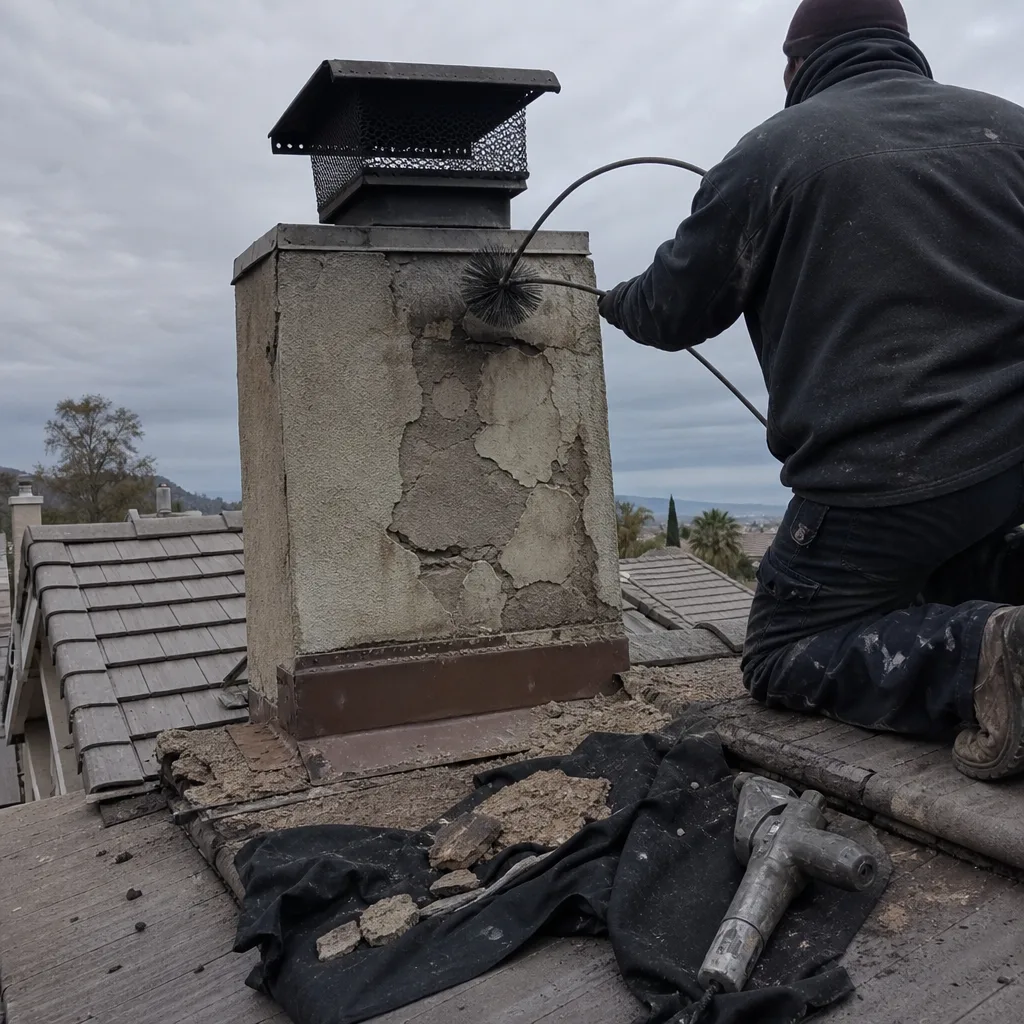 Before
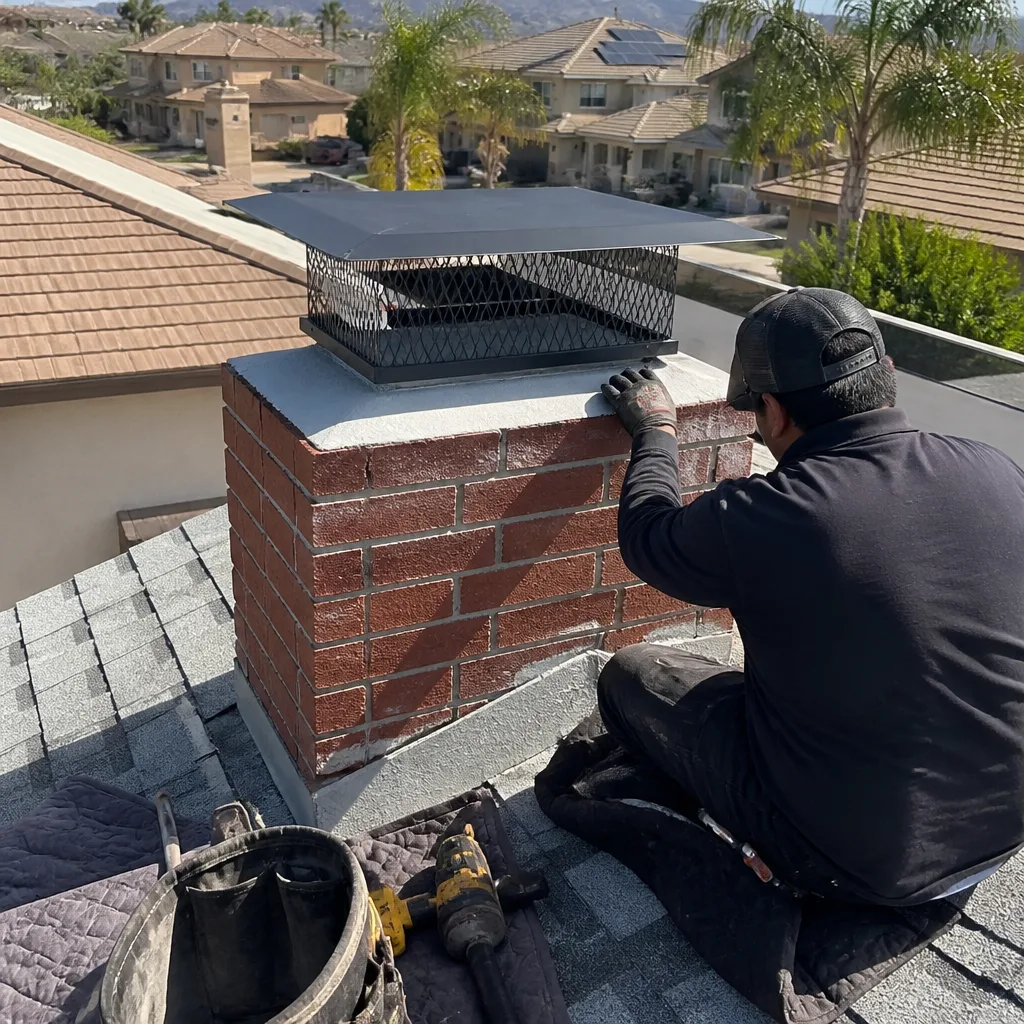 After
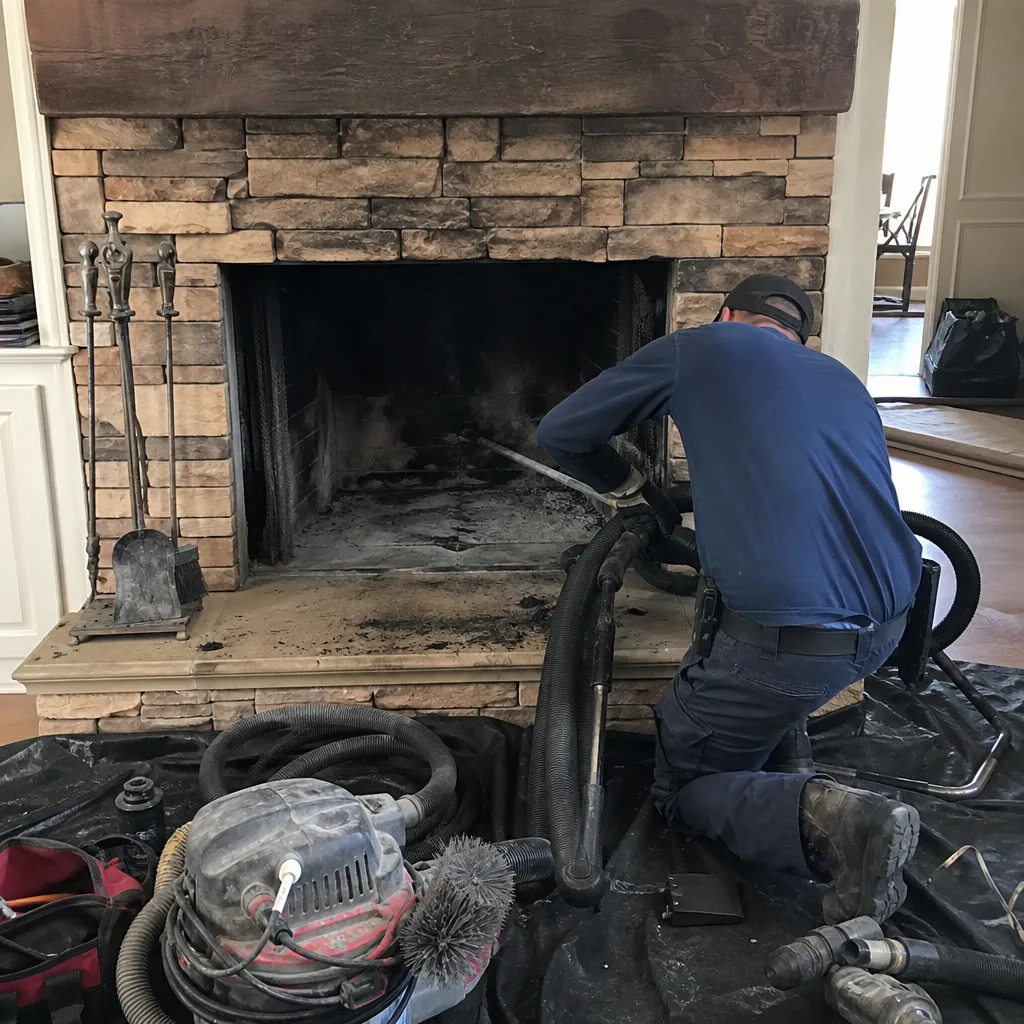 Before
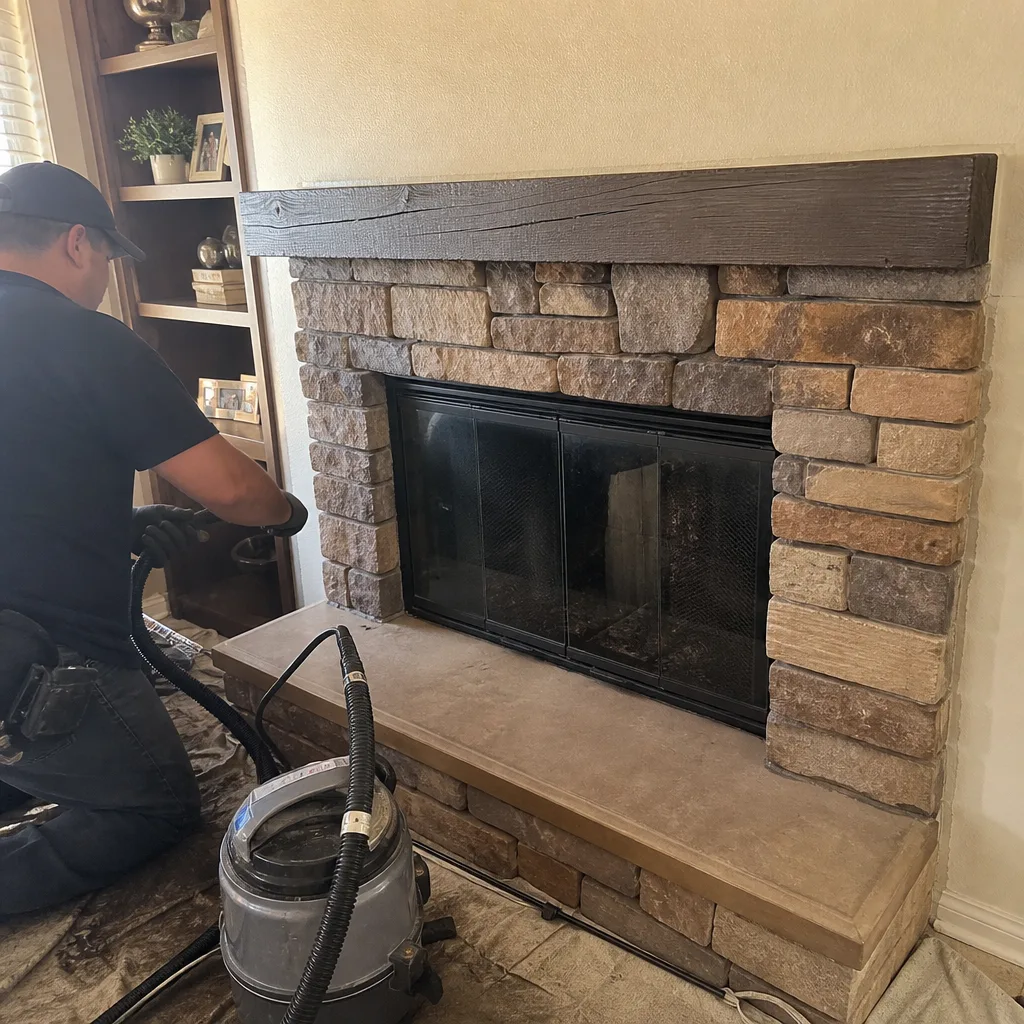 After
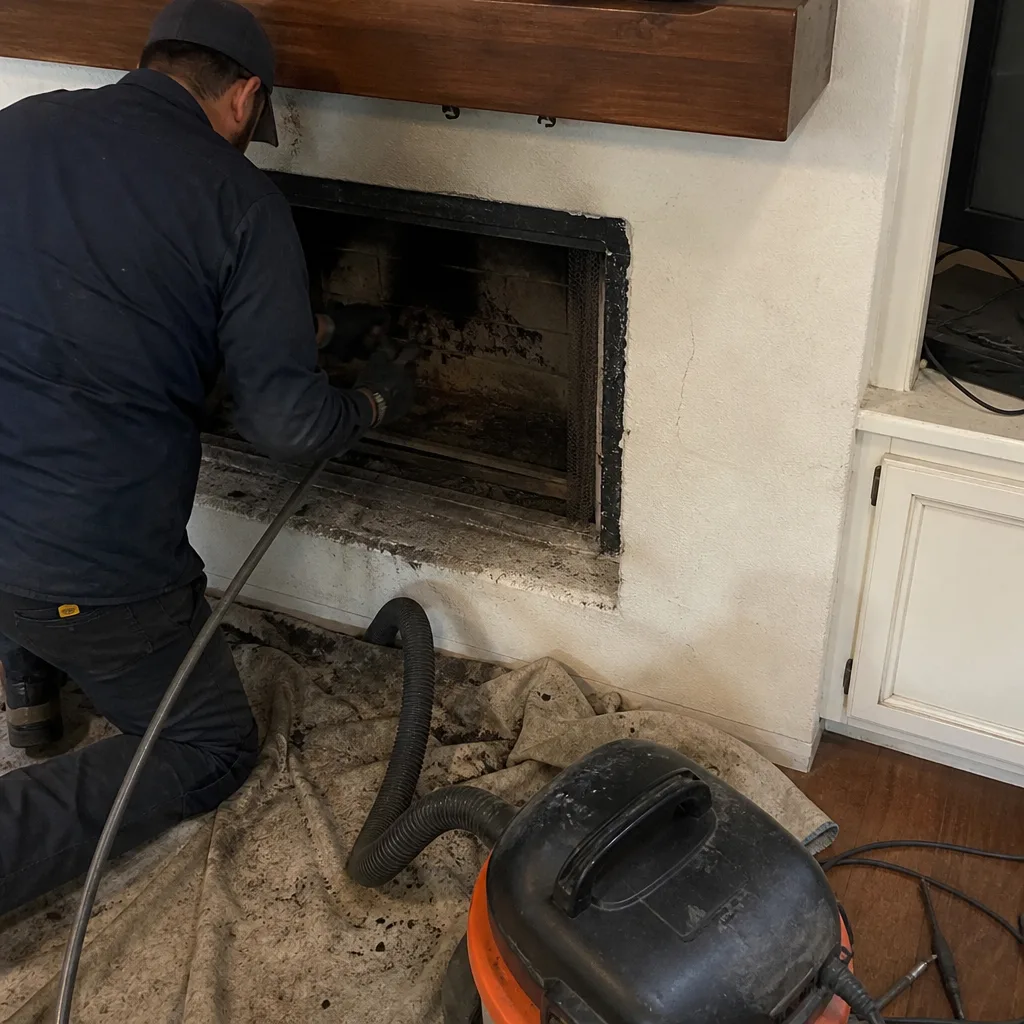 Before
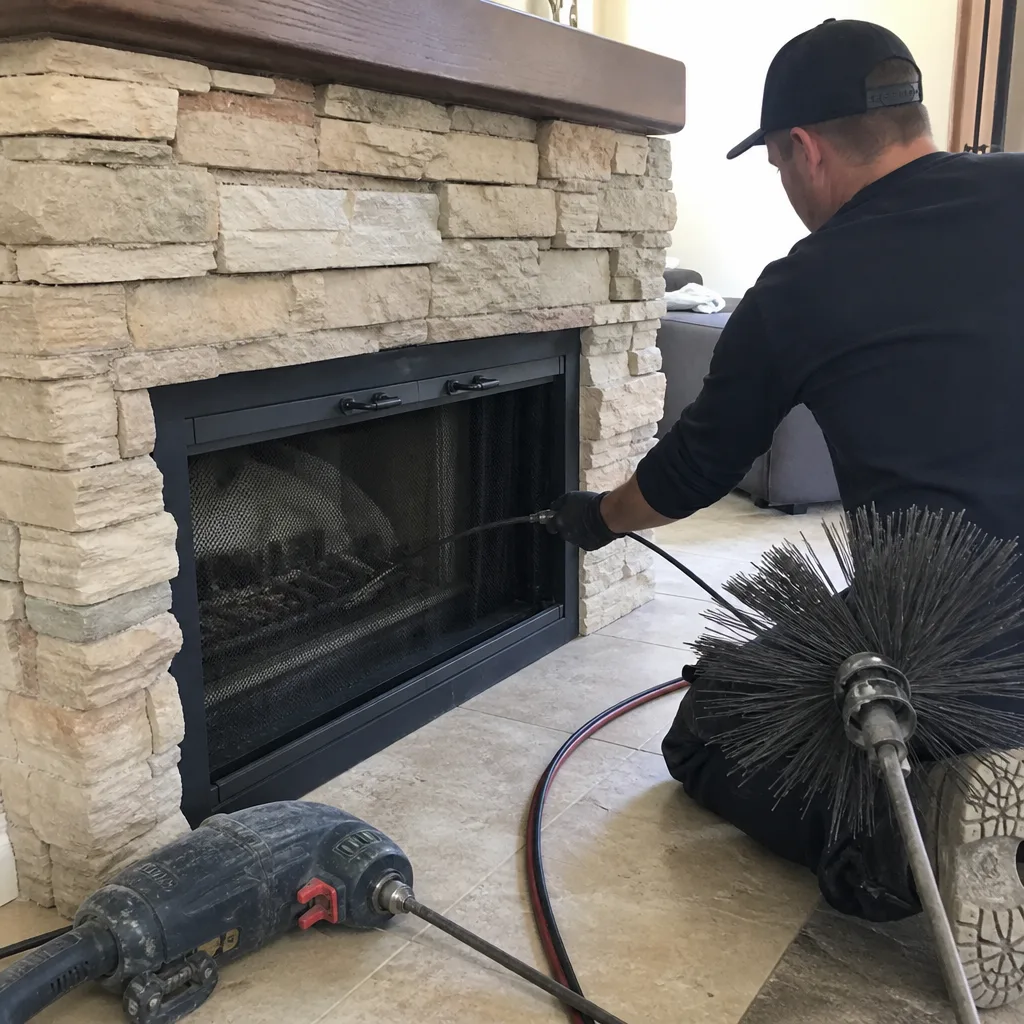 After
When to Call a Professional
Some chimney issues are obvious enough that waiting for a seasonal inspection isn’t the right call. If you smell smoke in the house when the fireplace isn’t in use, see water staining on the ceiling around the chimney chase, notice spalling or flaking brick on the exterior stack, or your carbon monoxide detector has activated and you can’t identify the source, call for an inspection immediately. If you’ve never had the chimney inspected since buying the home, schedule one before your next burn. If your home has a wood-burning appliance and you can’t remember the last sweep, treat it as overdue. Our team at Corona Chimney Sweep home offers free estimates throughout Corona: call (855) 382-6159 and we’ll answer the phone, ask the right questions, and schedule accordingly.
Frequently Asked Questions
The National Fire Protection Association (NFPA) says chimneys should be inspected annually and swept as needed, and in Corona that standard plays out as a post-season sweep every May or June, with a lighter inspection in September or October after Santa Ana winds have run their course. For details on Chimney Cleaning Permits, Codes & Inspections in CA: What You Need to Know, see our compliance guide. Wood-burning systems used regularly through winter should be swept every year without exception. Gas insert systems can sometimes go two years between cleanings, but should still be inspected annually.
Yes, if you want to catch wind-driven debris, cap damage, or downdraft issues before first fire. The fall inspection is shorter than a full sweep, a camera pass and exterior check rather than a full cleaning. Corona’s Santa Ana season is unique enough that skipping this step means accepting that whatever the winds drove into your flue stays there until your first fire brings it out or blocks the draft entirely. Call (855) 382-6159 if you’d like to book both visits now and lock in dates for the season.
Creosote that sits through a Corona summer hardens. The longer it sits, the harder it gets, and stage-three glazed creosote requires chemical treatment and mechanical removal rather than standard brushing. Skipped seasons also allow water intrusion and structural damage to progress silently. The chimney doesn’t stop degrading because you stopped using it. It degrades on a different timeline. The real answer is that skipping a year often costs more in remedial work than staying current would have cost in maintenance.
Camera inspection is the only way to answer that. HeatShield resurfacing can restore a flue with deteriorated mortar joints or hairline cracks, provided the underlying structure is still sound. If the clay tile liner has collapsed, separated, or experienced a chimney fire, resurfacing isn’t the answer and a full replacement using a system like DuraFlex stainless flexible liner is the appropriate fix. The camera tells us which category you’re in, and we show you the footage. No guesswork, no upsell.
No, and this is a common misunderstanding. Corona’s winter temperatures aren’t harsh by national standards, but the summer heat is the variable that drives creosote hardening, not the winter cold. If anything, Corona’s climate argues for more attention to post-season timing, not less frequent service. The flue that sat through August heat has a harder deposit to remove than the one that sat through a Michigan winter.
We don’t recommend DIY chimney sweeping for the same reason we don’t recommend DIY brake work. The tools exist, but the diagnostic layer is missing. A brush kit from a hardware store will remove loose stage-one soot and give you a false sense of security, but it won’t tell you whether the flue liner is cracked, whether the smoke chamber needs attention, or whether you’ve got a draft problem that will bring smoke into the house. The cleaning is the easiest part of the job. The inspection is where the safety value is, and inspection requires a trained eye and a camera. Call (855) 382-6159 for a free estimate.
The Bottom Line
Corona’s chimney care calendar runs on the city’s specific climate, not national fall conventions. The highest-value cleaning window is May and June, when creosote is still brushable and the roof is accessible. Santa Ana winds from September through November introduce a second risk window that justifies a light pre-season inspection. Gas and wood-burning systems need different schedules, and skipped seasons cost more to correct than annual maintenance would have cost in the first place. If you’ve deferred service, start with a camera inspection. If you want to align with the calendar that actually matches Corona’s weather, call (855) 382-6159 and book your post-season sweep, or browse more guides & resources for year-round chimney care. We’re based here, we know the conditions, and we repair what we find.
Written by the team at Corona Chimney Sweep, serving Corona since 2018.